 comparison
Pros and Cons of Flooded Lead Acid Batteries
Table of Contents
- What Is a Flooded Lead Acid Battery?
- Advantages of Flooded Lead Acid Batteries
- Disadvantages of Flooded Lead Acid Batteries
- Flooded Lead Acid Battery Maintenance Tips
- AGM vs Flooded Battery Lifespan and Performance
- Environmental Impact and Recycling
- When to Choose Flooded Lead Acid Batteries
- Conclusion
- Frequently Asked Questions
Last Updated: September 3, 2026
What Is a Flooded Lead Acid Battery?
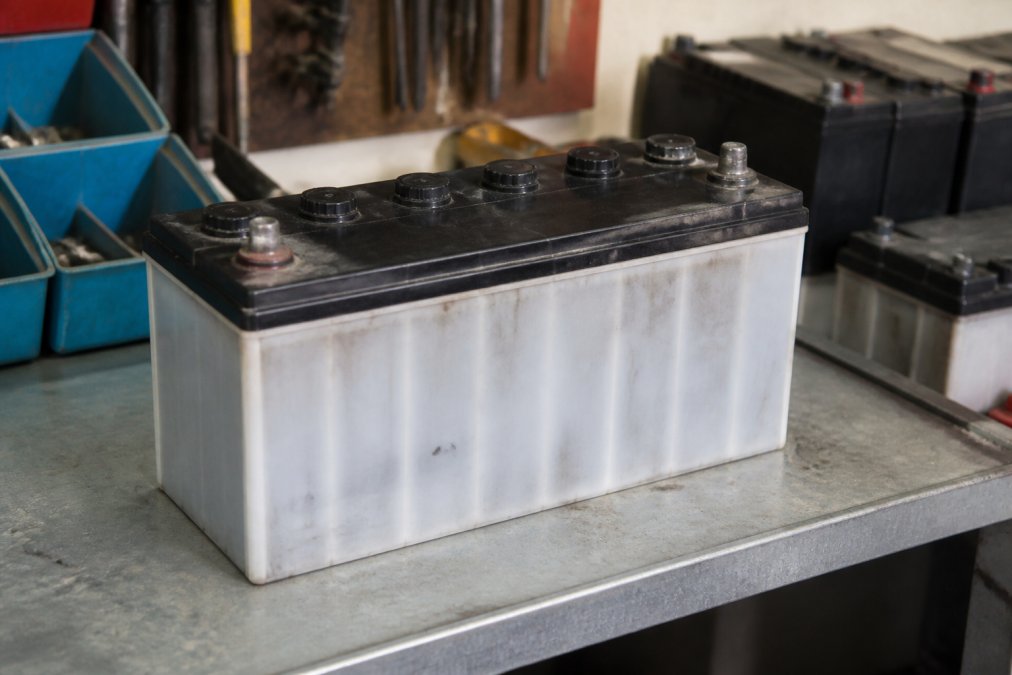
A flooded lead acid battery is a traditional battery design where lead plates are submerged in a liquid electrolyte solution of sulfuric acid and water. The electrolyte enables chemical reactions between the lead plates and acid, generating electrical current when discharged and accepting charge when connected to a charger.
When you draw power, lead dioxide and lead plates react with the sulfuric acid electrolyte, releasing electrons that flow through your device. During charging, this process reverses. The liquid electrolyte must maintain proper levels and specific gravity to ensure efficient function and prevent sulfation, a condition where lead sulfate crystals accumulate on plates and reduce performance.
Flooded lead acid batteries remain the most recycled consumer product in the country. According to Battery Council International's recycling data, the lead battery industry maintains a 99% recycling rate, with new batteries typically made of over 80% recycled material. This closed-loop system supplies roughly 70% of annual lead demand, making flooded lead acid batteries a genuinely sustainable choice.
Advantages of Flooded Lead Acid Batteries
Affordability and Cost Efficiency
Flooded lead acid batteries cost significantly less upfront than AGM (Absorbent Glass Mat), gel, or lithium-ion alternatives. For applications where budget constraints are tight, marine fleets, golf courses, backup power systems, flooded batteries deliver acceptable performance at a fraction of the price.
Flooded lead acid batteries typically provide 500-1,500 charge cycles depending on usage and maintenance, offering reasonable value per cycle. When replacing batteries across multiple vehicles or systems, this cost advantage multiplies quickly. Bigtime Battery understands that purchasing power matters, especially for businesses operating on tight margins. Our wide selection ensures you access competitive pricing without sacrificing reliability.
Proven Reliability and Durability
Flooded lead acid batteries have been refined over more than a century. Millions of vehicles start every day using these batteries, proving this technology works reliably across decades, climates, and use cases.
Strong construction with deep-pocket envelope separators protects lead plates from vibration and movement. When properly maintained, flooded batteries withstand the physical stresses of automotive, marine, and industrial environments. According to Market Research Future's automotive analysis, the automotive industry produced around 13 million vehicles in 2023, with the vast majority relying on lead acid batteries for starting, lighting, and ignition applications.
Strong Performance Under Load
Flooded lead acid batteries excel when you need immediate power delivery. Their ability to supply high cranking amps on demand makes them the standard for vehicle starting applications. Backup power systems, uninterruptible power supplies (UPS), and emergency lighting systems depend on batteries that respond instantly to power interruptions without ramp-up time.
Larger flooded batteries like the Crown L16 (390Ah at the 20-hour rate) provide substantial energy storage while maintaining high discharge rates. This combination makes flooded batteries suitable for everything from golf carts to solar backup systems.
Disadvantages of Flooded Lead Acid Batteries
Regular Maintenance Demands
Flooded lead acid batteries require active maintenance that alternative battery types do not. As the battery charges and discharges, water in the electrolyte evaporates and undergoes electrolysis, gradually reducing the liquid level. If the electrolyte level drops below the top of the lead plates, the exposed plates oxidize and suffer permanent damage.
You must check water levels regularly, add only distilled water (never tap water, which contains minerals that damage the battery), and maintain consistent specific gravity across all cells. Improper maintenance creates a downward spiral: reduced electrolyte leads to sulfation, sulfation reduces performance, and reduced performance accelerates decline. A flooded battery neglected for a few months can deteriorate beyond recovery.
For fleet managers, this maintenance burden scales into significant operational cost. Staff must be trained, distilled water must be stocked, and checking schedules must be enforced. Many fleet managers prefer maintenance-free AGM batteries despite higher upfront cost, as operational simplicity justifies the expense.
Safety and Ventilation Requirements
Flooded lead acid batteries release hydrogen gas during charging. This gas is colorless, odorless, and highly flammable. In poorly ventilated spaces, hydrogen can accumulate to explosive concentrations. A single spark can ignite the gas and cause an explosion.
Charging stations must have adequate ventilation to disperse hydrogen gas safely. Equipment and procedures must minimize spark risk. Users must never seal flooded batteries in airtight enclosures. The electrolyte itself is corrosive and causes severe burns. Battery terminals can cause electrical burns if contacted with conductive objects. Users must wear protective equipment when handling batteries.
Weight, Size, and Spill Risk
Flooded lead acid batteries are heavy. A single 6V deep-cycle flooded battery weighs between 50 and 80 pounds. For applications requiring multiple batteries, total weight becomes a serious constraint. The footprint is also substantial, occupying significantly more physical space than comparable lithium-ion systems.
The liquid electrolyte creates spill risk. If a battery case cracks or terminals are damaged, sulfuric acid can leak onto surrounding surfaces and equipment. In marine environments, this risk extends to environmental contamination. Weight and size limitations make flooded batteries impractical for aircraft, weight-sensitive marine vessels, and compact installations, where AGM and lithium alternatives become necessary.
Flooded Lead Acid Battery Maintenance Tips
Proper maintenance extends flooded battery life and prevents premature failure. Check water levels monthly during normal use and weekly during heavy use or hot weather. The electrolyte should cover the lead plates by approximately half an inch. Use only distilled water.
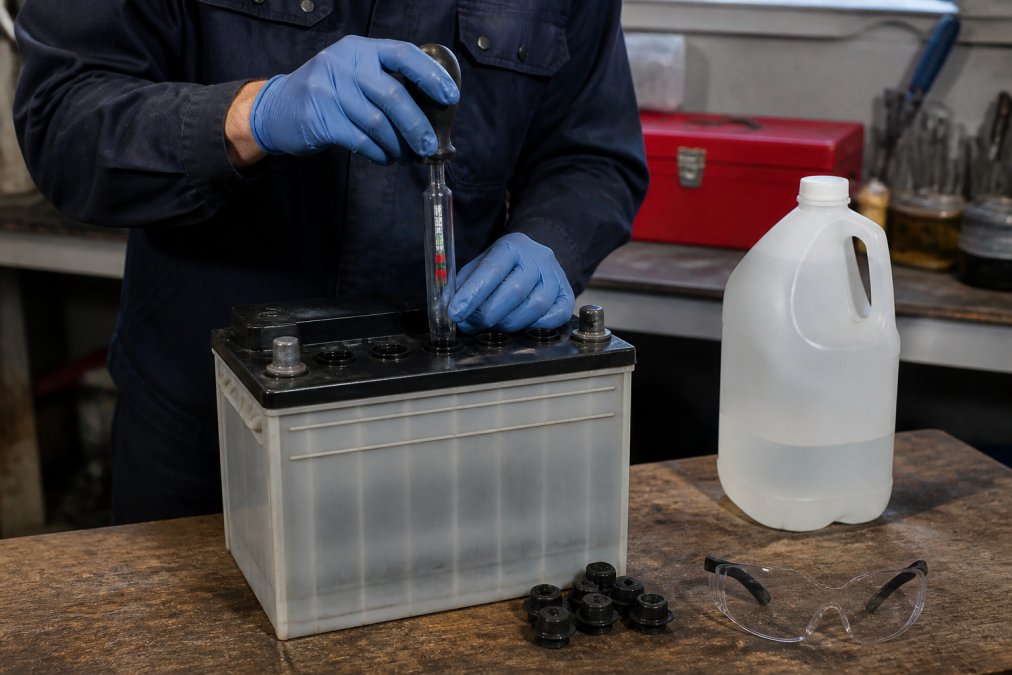
Equalization charging restores balance between cells that develop different charge levels. Perform equalization every 50-100 charge cycles or when specific gravity readings show significant variation between cells.
Monitor terminal corrosion regularly. Clean terminals with a wire brush and apply a thin coat of petroleum jelly to prevent future corrosion. Loose terminals should be tightened to ensure solid electrical contact. battery backup systems.
Temperature management matters significantly. Cold reduces battery performance dramatically. In winter climates, consider moving battery banks to warmer locations. Heat accelerates water loss and internal corrosion, so avoid direct sunlight or placement near heat sources.
AGM vs Flooded Battery Lifespan and Performance
AGM batteries use a fiberglass mat to absorb and hold the electrolyte, eliminating the need to add water and removing the hydrogen gas hazard. This maintenance-free design appeals to users who want simplicity.
Flooded batteries typically last 3-5 years in automotive service or 5-10 years in stationary backup applications when properly maintained. AGM batteries often last 3-5 years in automotive service as well, but tolerate abuse and neglect better. For equal quality designs, the lifespan difference is less dramatic than marketing suggests.
Flooded batteries deliver slightly higher cranking amps on demand, but for most real-world applications, the difference is negligible. The decisive factor is operational complexity versus cost. Flooded batteries cost less upfront but demand active maintenance and proper ventilation. AGM batteries cost more but eliminate maintenance and safety concerns.
The global flooded lead acid battery market was valued at USD 84.3 billion in 2026 and is projected to reach USD 111.8 billion by 2035, according to Global Market Insights' market analysis, growing at a CAGR of 3.2%. This sustained market size reflects that flooded batteries remain the preferred choice for cost-sensitive applications.
Environmental Impact and Recycling
Flooded lead acid batteries represent a genuine sustainability success story. The lead battery industry maintains a 99% recycling rate, the highest of any consumer product. New batteries are typically manufactured from over 80% recycled content, creating a truly circular system.
This recycling infrastructure exists because lead has significant value. Recycling lead requires far less energy than mining new lead from ore. Recyclers collect old batteries, separate the lead plates and plastic casings, and recover the sulfuric acid. Lead is refined and reused in new batteries. Plastic is reused in new battery cases. According to Battery Council International's sustainability research, the lead battery industry's closed-loop system supplies roughly 70% of annual lead demand domestically, dramatically reducing mining pressure.
However, flooded batteries present environmental concerns if not handled properly. Sulfuric acid is corrosive and hazardous. Lead exposure poses health risks, particularly to developing fetuses and children. Improper disposal releases lead and acid into the environment. Proper recycling infrastructure and regulations are critical to prevent serious environmental damage.
When to Choose Flooded Lead Acid Batteries
Choose flooded lead acid batteries when cost is the primary constraint and maintenance is feasible. Small boat owners, golf course operators, and homeowners with backup power systems often find flooded batteries deliver the best value.
Choose flooded batteries when you need proven, well-understood technology and your maintenance staff understands flooded battery care. Choose flooded batteries for stationary applications where weight and size are not constraints. Backup power systems, solar installations, and UPS systems often have space available for larger battery banks.
Avoid flooded batteries in applications where ventilation is not feasible or where maintenance cannot be reliably performed. Avoid flooded batteries in weight-sensitive applications or if your operation cannot tolerate hydrogen gas hazards.
The automotive segment held the largest market share in 2025 for lead acid batteries, with transportation projected to hold 58% of the market share by 2026, according to Market Research Future's automotive segment analysis. This dominance reflects that flooded batteries remain the cost-effective standard for vehicle starting applications.
Conclusion
Flooded lead acid batteries offer genuine advantages: affordability, proven reliability, and strong performance under load. The 99% recycling rate demonstrates genuine environmental responsibility when batteries are properly handled and recycled.
Their disadvantages are equally real: maintenance demands, safety requirements, and physical bulk. The decision comes down to matching the battery type to your actual situation. If you're managing a fleet, operating a backup power system, or powering a marine vessel where cost matters and maintenance is feasible, flooded lead acid batteries deliver exceptional value.
When you're ready to source flooded lead acid batteries for your application, Bigtime Battery provides a wide selection of high-quality options at competitive prices. Our team can help you identify the right battery for your specific needs. Visit Bigtime Battery today to explore our full selection and find the reliable power solutions your operation requires.
| Battery Type | Typical Lifespan | Maintenance | Cost | Best For |
|---|---|---|---|---|
| Flooded Lead Acid | 3-5 years (auto), 5-10 years (stationary) | Regular (water, equalization) | Low | Cost-sensitive, maintained applications |
| AGM | 3-5 years (auto) | Minimal | Medium-High | Maintenance-free, sealed environments |
| Gel | 4-6 years | Minimal | High | Vibration-prone, sealed applications |
| Lithium-ion | 8-10+ years | None | Very High | Weight-critical, long-term systems |
=== FAQ ANSWERS (audit these too, same rules) ===
[1] Q: How often do you need to add water to a flooded lead acid battery? A: Flooded lead acid batteries lose electrolyte through evaporation and electrolysis during charging, typically requiring water top-ups every 2-4 weeks depending on usage, temperature, and charging frequency. Check specific gravity and electrolyte levels monthly. Use only distilled water to prevent mineral buildup that can damage internal components. Neglecting this maintenance accelerates sulfation and reduces cycle life significantly. Proper electrolyte levels ensure optimal performance and prevent terminal corrosion.
[2] Q: Which battery is better, AGM or flooded? A: The choice depends on your application and priorities. Flooded batteries cost less upfront and handle deep discharge cycles well, making them ideal for renewable energy and marine use. AGM batteries require no maintenance and perform better in extreme temperatures. However, AGM batteries cost more. For budget-conscious applications where you can manage regular maintenance, flooded batteries win. For convenience, AGM can be a superior choice.
[3] Q: How long does a flooded lead acid battery typically last? A: Flooded lead acid batteries typically last 3 to 5 years under normal conditions, providing 500-1,500 charge cycles depending on maintenance and usage patterns. Lifespan extends significantly with proper care: maintaining correct electrolyte levels, performing equalization charges, and avoiding deep discharges below 50% depth of discharge. Temperature extremes and inconsistent charging reduce lifespan considerably.
[4] Q: Are flooded lead acid batteries safe for indoor use? A: Flooded lead acid batteries release hydrogen gas during charging, which is flammable and potentially explosive in enclosed spaces. They are not recommended for indoor use without proper ventilation systems that continuously extract gases. The electrolyte is corrosive and can cause chemical burns if spilled. If indoor installation is necessary, ensure dedicated ventilation ducting, spill containment trays, and compliance with local electrical codes. AGM or sealed gel batteries are safer alternatives for indoor applications like backup power systems.
Frequently Asked Questions
How often do you need to add water to a flooded lead acid battery?
Flooded lead acid batteries lose electrolyte through evaporation and electrolysis during charging, typically requiring water top-ups every 2-4 weeks depending on usage, temperature, and charging frequency. Check specific gravity and electrolyte levels monthly. Use only distilled water to prevent mineral buildup that can damage internal components. Neglecting this maintenance accelerates sulfation and reduces cycle life significantly. Proper electrolyte levels ensure optimal performance and prevent terminal corrosion.
Which battery is better, AGM or flooded?
The choice depends on your application and priorities. Flooded batteries cost less upfront and handle deep discharge cycles well, making them ideal for renewable energy and marine use. AGM batteries require no maintenance and perform better in extreme temperatures. However, AGM batteries cost more. For budget-conscious applications where you can manage regular maintenance, flooded batteries win. For convenience, AGM can be a superior choice.
How long does a flooded lead acid battery typically last?
Flooded lead acid batteries typically last 3 to 5 years under normal conditions, providing 500-1,500 charge cycles depending on maintenance and usage patterns. Lifespan extends significantly with proper care: maintaining correct electrolyte levels, performing equalization charges, and avoiding deep discharges below 50% depth of discharge. Temperature extremes and inconsistent charging reduce lifespan considerably.
Are flooded lead acid batteries safe for indoor use?
Flooded lead acid batteries release hydrogen gas during charging, which is flammable and potentially explosive in enclosed spaces. They are not recommended for indoor use without proper ventilation systems that continuously extract gases. The electrolyte is corrosive and can cause chemical burns if spilled. If indoor installation is necessary, ensure dedicated ventilation ducting, spill containment trays, and compliance with local electrical codes. AGM or sealed gel batteries are safer alternatives for indoor applications like backup power systems.