 comparison
ATV Battery Brands: Durability Compared for 2026
Table of Contents
- Why ATV Battery Durability Matters
- AGM vs. Lithium ATV Battery: Which Lasts Longer
- ATV Battery Lifespan: What to Expect
- How to Choose an ATV Battery for Maximum Durability
- ATV Battery Maintenance for Extended Service Life
- Durability by Riding Environment and Duty Cycle
- Warranty and Replacement Economics
- Frequently Asked Questions
Last Updated: October 10, 2026
Why ATV Battery Durability Matters
When your ATV won't start on a trail miles from help, you'll understand why ATV battery brands durability matters more than price alone. The battery is your machine's heart. A weak one leaves you stranded. A reliable one keeps you moving through seasons of riding.

Battery type is a key durability comparison. According to Batteries Plus Buying Guide, flooded lead-acid batteries tend to have shorter lifespans than AGM or lithium batteries. That means your replacement costs compound over time.
Durability depends on chemistry, fit, maintenance, and matching the battery to your actual use, some riders need raw starting power, others prioritize vibration resistance.
AGM vs. Lithium ATV Battery: Which Lasts Longer
AGM batteries offer vibration resistance and durability for most riders. According to Fullriver Battery's ATV Battery Guide, premium AGM batteries are vibration-resistant and provide a practical balance of price, durability, and performance.
Lithium batteries are lighter and hold charge longer, but cost more and require compatible charging systems. For most riders, AGM offers proven durability at reasonable cost.
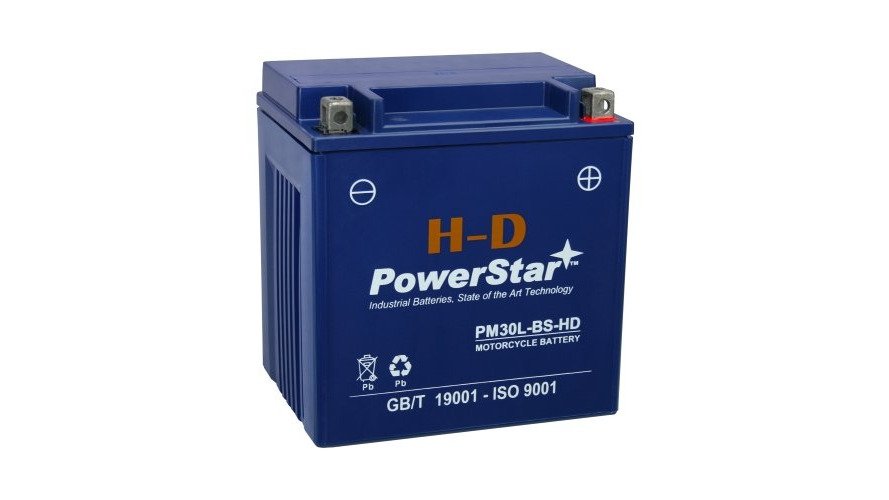
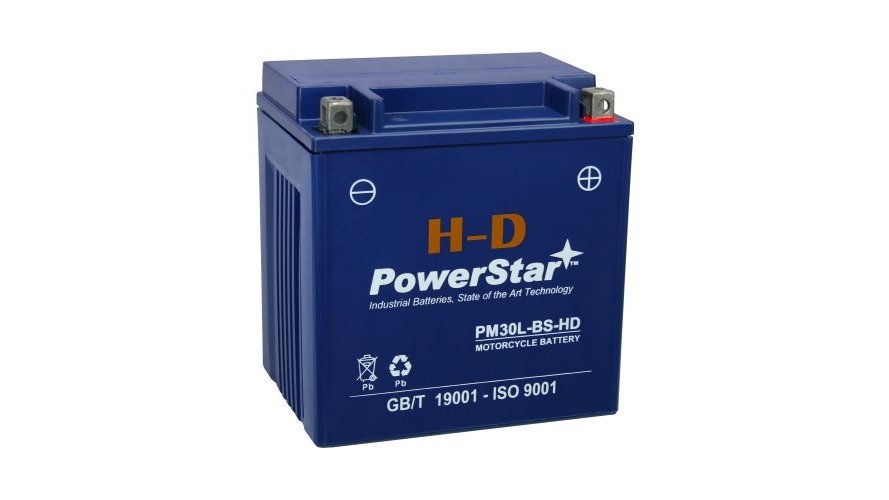
Bigtime Battery stocks sealed AGM batteries like the PowerStar PM4L-BS Battery with a 2-year warranty, designed for consistent performance across varied ATV models. The sealed design means no water exposure risk, and the AGM chemistry handles vibration without internal damage.

PowerStar PM4L-BS Battery Fits or replaces Qianjiang 100cc ATV100All Years
ATV Battery Lifespan: What to Expect
Most ATV batteries last two to four years, but variation depends on battery type, environment, and maintenance.
Lifespan by Battery Type
Flooded lead-acid batteries typically last 18 to 36 months; the open design allows water loss and acid stratification that degrade plates faster than sealed alternatives.
Sealed AGM batteries commonly last 36 to 48 months; the sealed design prevents water loss and acid stratification. Bigtime Battery's PowerStar PM4L-BS is engineered to handle vibration and temperature swings.
Lithium batteries can exceed 60 months (five years) in service, but only if the ATV's charging system is compatible and the battery is stored above freezing. Lithium chemistry is sensitive to overcharging and cold temperatures; incompatible chargers or winter storage below 32°F can cut lifespan to 24 months or less.
Environmental Factors That Compress Lifespan
Cold climates accelerate battery decline by 6 to 12 months through reduced chemical reaction rates and freeze-thaw cycles that stress internal plates.
Heat is equally damaging. Temperatures above 85°F speed chemical reactions, draining capacity faster. Riders in hot climates should prioritize shaded storage and plan replacement every 30 to 36 months.
Mud and water exposure create corrosion at terminals and case cracks. Riders in muddy conditions should inspect terminals monthly and replace at 30 months.
High-altitude riding (above 8,000 feet) creates stress through rapid temperature swings and freeze-thaw cycles. Mountain riders should expect 24- to 30-month lifespan and prioritize sealed AGM batteries with high CCA.
Practical Battery Health Diagnostics
Resting voltage test: A healthy 12-volt battery reads 12.6V or higher. 12.0-12.4V indicates aging; below 12.0V means urgent replacement.
Load test: Apply a load equal to half the battery's CCA rating for 15 seconds. A healthy battery holds above 9.6V under load; below 9.0V means immediate replacement.
Cranking test: Slow cranking in cold conditions indicates capacity loss. A load test confirms whether the battery or alternator is at fault.
Distinguishing Battery Failure from Charging-System Problems
Test the battery first: if a load test shows above 9.6V under load, the problem is the charging system. If it fails the load test, replace it. Bigtime Battery's sealed AGM batteries include a 2-year warranty covering manufacturing defects.
How to Choose an ATV Battery for Maximum Durability
Match battery chemistry to your riding environment and ATV type. Check your owner's manual for voltage, amp-hour rating, and terminal configuration.
SHOTGUN YTX14-BS ATV Battery for Honda 400cc TRX400FW Foreman 1997 →
Cold Cranking Amps and Starting Power
Cold cranking amps (CCA) measure current delivery at freezing temperatures. Most ATVs need 70-180 CCA depending on engine size.
The SHOTGUN YTX14-BS ATV Battery delivers 180 CCA for larger machines, ensuring strong starts even in cold conditions. Smaller ATVs, like the 100cc models, work fine with lower CCA ratings like the 135 CCA in Bigtime Battery's PowerStar PM4L-BS option.
Match CCA to your machine for reliable cold-weather performance.
Fitment and Terminal Configuration
Battery terminals come in two styles: post terminals (round, threaded) and nut-and-bolt terminals (flat). Using the wrong type causes connection problems and premature failure.
Check your ATV's cable connectors before ordering. Bigtime Battery's product pages list compatible replacements by part number.
Measure your battery compartment and compare dimensions before ordering to ensure proper fit.
ATV Battery Maintenance for Extended Service Life
Sealed AGM batteries require almost no maintenance, but a few simple habits extend life significantly.
Check terminal connections monthly during riding season. Corrosion creates resistance; clean with a wire brush and tighten loose connectors to prevent voltage drops.
Charge your battery monthly during off-season storage. Use a smart charger that stops when full to prevent overcharging damage.
Keep the battery dry. Inspect regularly for cracks or leaks and replace immediately if found.
Durability by Riding Environment and Duty Cycle
ATV battery brands durability depends on riding environment and use pattern. Matching battery type and specs to your actual use is the biggest factor in avoiding premature failure.
Casual Trail Riding (Temperate Climate)
Expected lifespan: 42-48 months
Casual riders on established trails get maximum battery life. A quality sealed AGM battery like Bigtime Battery's PowerStar PM4L-BS is ideal for this duty cycle.
Recommendation: Standard AGM battery with CCA matched to your engine size. Charge monthly during storage. Plan replacement at 48 months or when load test shows below 9.6V.
High-Performance and Extreme Off-Road (Mud, Water, Rocks)
Expected lifespan: 24-30 months
Extreme off-road riding exposes batteries to vibration, water splash, and temperature swings. Mud and water create corrosion while vibration stresses internal plates.
Failure modes include terminal corrosion (blocking current flow), case cracks (allowing leaks), and plate separation (creating dead cells).
Recommendation: Premium sealed AGM battery with vibration-resistant construction. Bigtime Battery's SHOTGUN YTX14-BS delivers 180 CCA for strong starts. Inspect monthly and clean terminals every 500 miles. Plan replacement every 24 months.
Winch and Heavy Accessory Use
Expected lifespan: 18-24 months
Winches and heavy electrical loads drain the battery rapidly, forcing constant recharging. This accelerated charge-discharge cycle ages the battery faster than normal riding.
SHOTGUN YTX14-BS ATV Battery for Honda 400cc TRX400FW Foreman 1997 →
Failure modes include sulfation (reducing capacity permanently), internal resistance increase (from high-current draw), and premature capacity loss.
Recommendation: High-capacity AGM battery with highest CCA available. Pair with an upgraded alternator (80+ amps). Charge after each winch session. Plan replacement every 18 to 24 months.
Cold-Climate and High-Altitude Riding
Expected lifespan: 24-30 months
Freezing temperatures and high altitude create unique battery stress. Cold slows chemical reactions, reducing starting power by 30-50% at 0°F compared to 70°F. High altitude (above 8,000 feet) reduces oxygen availability and creates rapid temperature swings between day and night, forcing freeze-thaw cycles.
Failure modes include:
- Slow cranking: The engine turns over sluggishly, straining the battery and alternator.
- No-start after cold soak: The battery may start the machine at 50°F but fail completely after sitting overnight at 20°F.
- Freeze damage: In extreme cold, the electrolyte can freeze, cracking the case and destroying the battery permanently.
Recommendation: High-CCA AGM battery (minimum 150 CCA for small ATVs, 180+ for larger machines). Bigtime Battery's PowerStar PM4L-BS (135 CCA) works for smaller machines; the SHOTGUN YTX14-BS (180 CCA) is better for larger engines in cold climates. Store the battery indoors or in a heated garage during winter. Charge monthly during off-season storage to maintain full capacity.
Infrequent Use and Long Storage
Expected lifespan: 24-36 months (but often shorter due to self-discharge)
ATVs that sit unused for months at a time face a unique problem: self-discharge. Even sealed batteries lose 1-3% of capacity per month when disconnected. A battery left on a dead machine for six months can lose 6-18% of its capacity, and sulfation begins to form within weeks of discharge.
Failure modes include:
- Sulfation: Lead sulfate crystals form on plates, permanently reducing capacity.
- Dead cell: One or more cells fail completely, preventing the battery from holding any charge.
- Inability to accept charge: The battery may read low voltage but refuse to charge fully, a sign of severe sulfation.
Recommendation: Disconnect the battery from the ATV before long storage (more than two months). Store in a cool, dry location (50-70°F is ideal). Charge the battery to 100% before storage, then charge again every 30 days using a smart charger.
Warranty and Replacement Economics
Most quality ATV batteries carry a two-year warranty. Bigtime Battery's PowerStar batteries include a 2-year free replacement warranty, protecting you if the battery fails prematurely under normal use.
Warranty terms matter less than reliability. A battery that lasts three years without warranty is better than one that fails at year two despite coverage.
Calculate cost per year of service life. A battery that costs less but lasts two years costs more annually than a pricier battery lasting four years.
Keep your receipt and warranty documentation. If a battery fails within the coverage period, you'll need proof of purchase to claim replacement. Digital photos of the receipt prevent loss.
Choosing a durable ATV battery comes down to matching the right chemistry and specs to your machine and riding style. Find the right battery for your ATV at bigtimebattery.com and ride with confidence knowing your battery will start when you need it.
Frequently Asked Questions
Which ATV battery brands are known for durability?
Sealed AGM batteries from reputable manufacturers offer strong durability for ATV use. Impact Battery notes that AGM batteries provide a practical balance of durability and performance, while Batteries Plus confirms that AGM and lithium batteries tend to outlast flooded lead-acid options. When selecting an ATV battery brand, look for sealed construction, vibration resistance, and a solid warranty. Bigtime Battery carries sealed AGM options like the PowerStar YTX5L-BS with a 2-year warranty, designed specifically for the vibration and demands of off-road riding.
Are AGM or lithium batteries more durable for an ATV?
AGM batteries offer excellent durability for most ATV applications and cost less than lithium alternatives. Batteries Plus indicates that both AGM and lithium batteries last longer than flooded lead-acid, but AGM provides strong vibration resistance at a lower price point. Lithium batteries deliver superior lifespan and weight savings but come at a premium cost. For typical trail riding, an AGM battery like the PowerStar PM4L-BS or YTX5L-BS from Bigtime Battery delivers reliable durability without the expense of lithium technology.
How long should an ATV battery last?
Sealed AGM batteries typically last 3–5 years with proper maintenance, while flooded lead-acid batteries tend to have shorter lifespans. Lifespan depends on riding frequency, storage conditions, charging practices, and environmental exposure. Batteries Plus notes that battery type significantly affects service life, with AGM and lithium outlasting flooded designs. Regular charging during off-season storage, keeping terminals clean, and avoiding deep discharge cycles extend battery life. Many quality ATV batteries, including those from Bigtime Battery, come with 2-year warranties that reflect expected durability under normal use.
How should I maintain an ATV battery when it is not in use?
Store your ATV battery in a cool, dry location away from extreme heat or freezing temperatures. Use a battery maintainer or trickle charger to keep it at full charge during long storage periods—this prevents sulfation and extends lifespan. Sealed AGM batteries like those from Bigtime Battery are maintenance-free and resist spill, making storage easier than flooded batteries. Check terminals for corrosion every few months, and reconnect the battery fully before riding season. Avoid leaving the battery completely discharged for extended periods, as this accelerates degradation and shortens overall service life.