 comparison
LiFePO4 vs Lead-Acid Powersports Batteries: 2026 Guide
Table of Contents
- LiFePO4 vs Lead-Acid: The Core Differences That Matter
- Motorcycle Battery Weight Comparison: What You Feel on the Bike
- LiFePO4 Battery Lifespan: Cycles, Calendar Age, and Realistic Expectations
- LiFePO4 Battery Cold Weather Performance: Where Lithium Gives Ground
- Powersports Battery Charger Compatibility: Why Your Old Tender May Not Work
- Pros, Cons, and Long-Term Value: Which Chemistry Pays Off
- Conclusion: Match the Battery to How You Actually Ride
- Frequently Asked Questions
Last Updated: October 18, 2026
LiFePO4 vs Lead-Acid: The Core Differences That Matter
The LiFePO4 vs lead-acid powersports batteries question comes down to one trade: lithium costs more up front and asks more of your charging system, while lead-acid costs less and tolerates cold better. That's the whole argument in miniature, and everything else follows from it.
Here at Bigtime Battery, we sell replacement batteries every day, and the honest answer is that neither chemistry wins outright. LiFePO4 is a lithium iron phosphate battery: a lighter, faster-charging pack that holds voltage under load. Lead-acid, including sealed AGM and SLA versions, is the older, heavier, cheaper design most bikes and ATVs ship with.
According to Batteries Plus powersport battery guidance, LiFePO4 offers lighter weight, faster charging, and longer life, but costs more and loses effectiveness in freezing temperatures. That single sentence explains why riders argue about this so much.
Below, we'll show you exactly where each chemistry earns its keep, and where it quietly costs you.
Factor | LiFePO4 | Lead-Acid (SLA/AGM) |
|---|---|---|
Upfront cost | Higher | Lower |
Weight | Lighter | Heavier |
Charging speed | Faster | Slower |
Cold weather | Weaker | Stronger |
Charger compatibility | Often needs a lithium profile | Works with standard tenders |
Best for | Warm-climate riders, weight-sensitive builds | Cold climates, budget builds, stock replacements |
Motorcycle Battery Weight Comparison: What You Feel on the Bike
Weight is the most overstated advantage in this debate, and also the most real. A lithium pack typically weighs a fraction of the equivalent lead-acid block, and you notice it in two places: lifting the battery into the tray, and how the bike tips into a corner.
On a sportbike, removing mass from high in the frame changes turn-in feel. On a touring bike or a utility ATV, you'll barely tell. What most guides miss is that weight savings matter least on the machines that need cranking power most.
Our advice: if you're replacing a stock battery on a commuter or cruiser, buy for fit and cold-cranking amps, not grams.
LiFePO4 Battery Lifespan: Cycles, Calendar Age, and Realistic Expectations
LiFePO4 battery lifespan is usually quoted in charge cycles, but calendar age and how you store the pack decide more. A lithium battery rated for many cycles can still fail early if it sits at full charge through a hot summer or gets drained flat and left there.
Lead-acid is the opposite: it degrades from sulfation when left partially discharged, so a neglected lead-acid battery dies faster than a neglected lithium one.
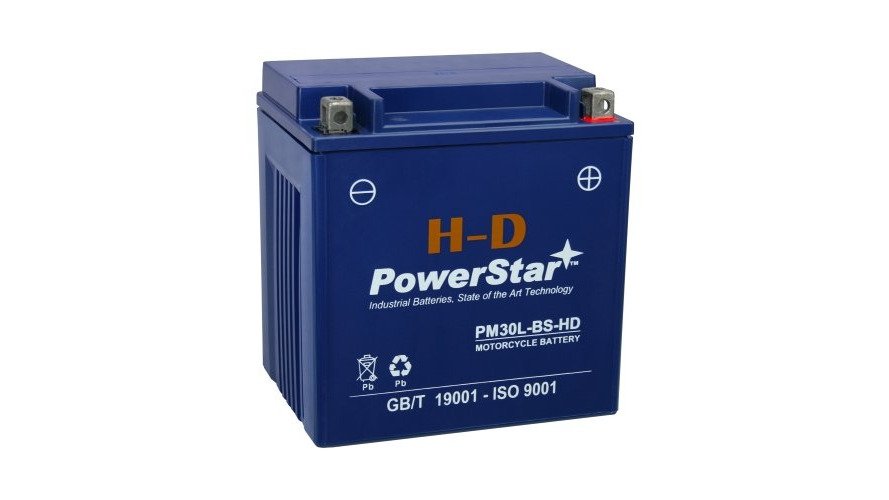
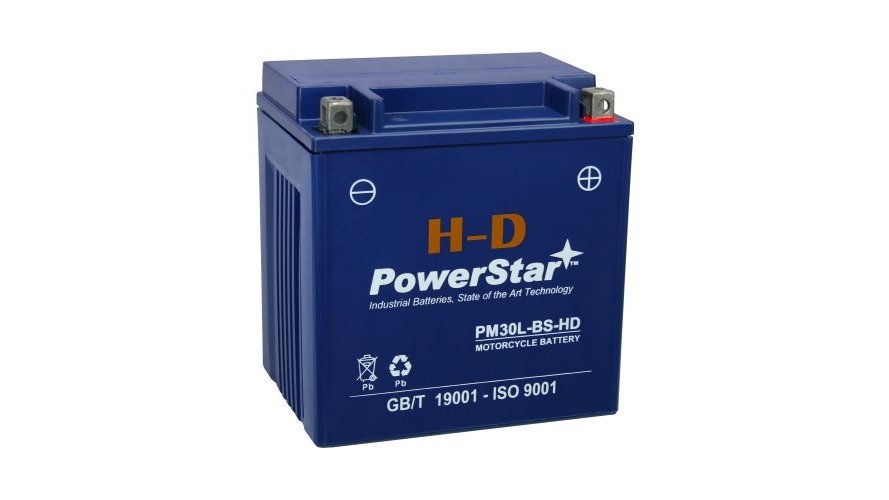
30L-BS PowerStar HD SLA AGM Battery →
In practice, this means lithium rewards good habits and punishes neglect less harshly. Neither chemistry survives being stored dead in an unheated shed.
LiFePO4 Battery Cold Weather Performance: Where Lithium Gives Ground
LiFePO4 battery cold weather performance is the strongest argument lead-acid has left. Lithium chemistry slows down in freezing temperatures, and charging a cold lithium pack can damage it, which is why many lithium batteries shouldn't be charged below freezing.
Lead-acid doesn't love the cold either, but it keeps working. It loses cranking power as temperatures drop, yet it accepts a charge in conditions where lithium shouldn't.
If you ride or store your machine through hard winters, this is the section that should decide your purchase. A battery that saves weight but refuses to crank in January is a downgrade.
Powersports Battery Charger Compatibility: Why Your Old Tender May Not Work
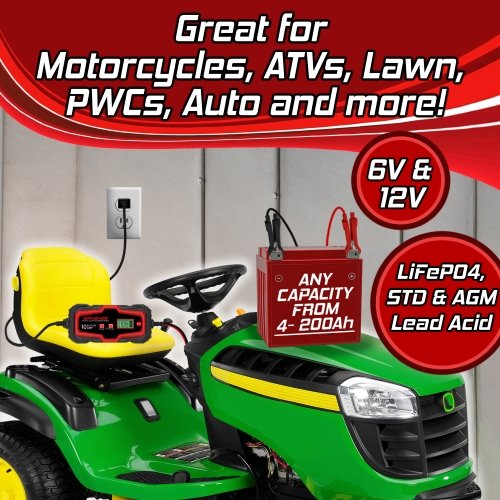
Powersports battery charger compatibility is where most lithium swaps go wrong. Your old tender was built for lead-acid voltage curves, and lithium wants different numbers.
According to Battery Tender's lithium vs lead-acid comparison, LiFePO4 needs roughly 14.4 to 14.6 volts absorption and a float voltage of 13.6 volts or lower. A lead-acid charger that floats higher will overcharge a lithium pack.
Check three things before you buy:
- Does your charger have a lithium or LiFePO4 mode?
- Does its float voltage sit at 13.6V or below?
- Does it stop charging in freezing conditions?
If any answer is no, budget for a compatible charger alongside the battery.
Pros, Cons, and Long-Term Value: Which Chemistry Pays Off
Long-term value favors lithium only if you keep the machine long enough to outlast several lead-acid replacements. LiFePO4 costs more up front, but it charges faster, weighs less, and generally lasts through more cycles.
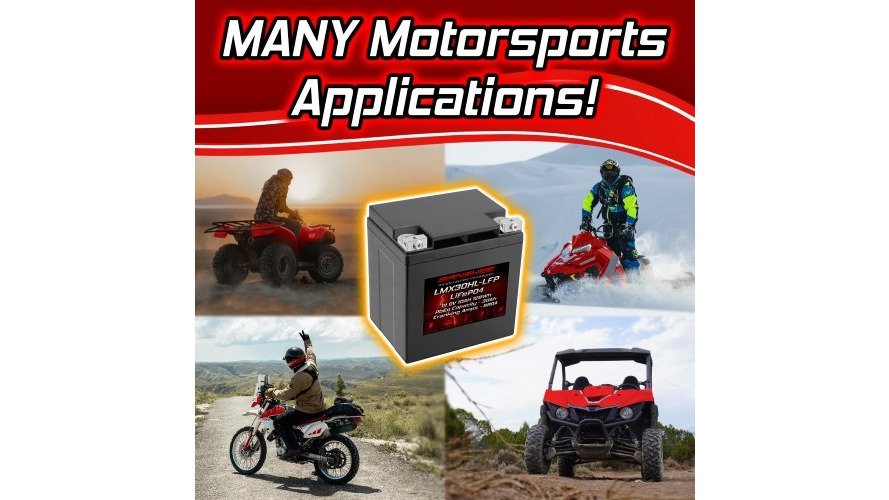
Banshee Replacement Battery YTX20-BS Power Sport AGM Series Sealed AGM →
Lead-acid wins on simplicity. It's cheaper to buy, works with the charger you already own, and handles cold better.
Here's how we'd frame the decision:
Your situation | Buy this |
|---|---|
Warm climate, keeping the bike years | LiFePO4 |
Cold winters, stored outdoors | Lead-acid |
Budget replacement, stock fit | Lead-acid |
Weight-sensitive sport build | LiFePO4 |
For a straightforward stock replacement, our Powerstar H-D and Banshee Powersports Battery at $44.88 is a 12V 12Ah sealed lead-acid pack that's maintenance free and economical. If you want maximum cranking amps and warranty, the Banshee YTX12-BS at $49.63 comes charged and factory sealed. Smaller machines can use the YTX4L-BS SLA at $21.88.
Conclusion: Match the Battery to How You Actually Ride
The right chemistry depends on your climate, your charger, and how long you plan to keep the machine, not on which technology sounds newer. Buy for the winter you actually ride through.
When you're ready, make your purchase at bigtimebattery.com. We stock low-priced replacement batteries, a one-stop selection for single-cell needs, and many options for motorcycles, ATVs, and more. Get started with Bigtime Battery and put the right chemistry under your seat.
Frequently Asked Questions
What is the difference between LiFePO4 and lead-acid powersports batteries?
The main differences are chemistry, weight, and charging behavior. LiFePO4 (lithium iron phosphate) batteries are lighter and generally last more charge cycles, but they cost more upfront and lose effectiveness in freezing temperatures, according to Batteries Plus. Lead-acid batteries, including sealed AGM and SLA types, are heavier and cheaper to buy. They also tolerate cold better but need different charging voltages. Your choice depends on budget, climate, and how often you ride.
Do LiFePO4 motorcycle batteries need a special charger?
Yes, in most cases. Battery Tender specifies roughly 14.4 to 14.6 V absorption and 13.6 V or lower float voltage for LiFePO4, which differs from many lead-acid charger profiles. Using an incompatible tender can leave a lithium battery undercharged or overstressed. Check your charger's settings before installing a LiFePO4 battery, and confirm the vehicle's charging system is compatible. If you stay with lead-acid, a standard maintainer works fine.
Can a LiFePO4 powersports battery start an engine in cold weather?
It can, but cold weather is where LiFePO4 gives up ground. Batteries Plus notes that lithium batteries are less effective in freezing temperatures than lead-acid. For riders who start their machines in near-freezing conditions, a sealed lead-acid battery is often the safer pick. If you do run lithium in cold weather, warm the battery before a hard start and confirm its cold-cranking rating meets your engine's needs.
Are LiFePO4 batteries lighter than lead-acid batteries?
Yes. LiFePO4 batteries are substantially lighter than equivalent lead-acid batteries, which is one of their main selling points for powersports use. Less weight helps handling and makes removal easier during maintenance. If weight savings matter to you, compare the listed weight of each battery against your current one before buying. For riders who prioritize a low purchase price over weight, sealed lead-acid options like the Powerstar and Banshee lines at Bigtime Battery remain a practical choice.