 how-to
Marine Battery Maintenance Tips for Bulk Orders
Table of Contents
- Understanding Marine Battery Types and Their Maintenance Needs
- Marine Battery Inspection Checklist for Fleet Operations
- Cleaning Corrosion and Maintaining Electrical Connections
- Marine Battery Charging Tips and State of Charge Management
- AGM Battery Maintenance Procedures and Best Practices
- Marine Battery Storage and Off-Season Winterization
- Bulk Ordering and Fleet Maintenance Strategies
- Frequently Asked Questions
Last Updated: October 6, 2026
Understanding Marine Battery Types and Their Maintenance Needs
Marine battery maintenance starts with knowing what you're working with. Different battery chemistries require different care approaches, and getting this wrong can cut battery life in half. At Bigtime Battery, we help boat owners and fleet managers understand their options so they can maintain equipment properly and avoid costly failures.
Lead-acid flooded batteries
Flooded lead-acid batteries remain the most common choice for marine applications. They use liquid electrolyte that requires periodic monitoring and topping off with distilled water.
Flooded batteries need regular inspection. Check water levels monthly during the boating season. The electrolyte should cover the plates by about half an inch. When you top off, use distilled water only, never tap water or saltwater.
These batteries are affordable and reliable. They handle deep discharge cycles reasonably well if properly maintained. The downside is they require more hands-on care than sealed alternatives.
AGM and gel sealed batteries
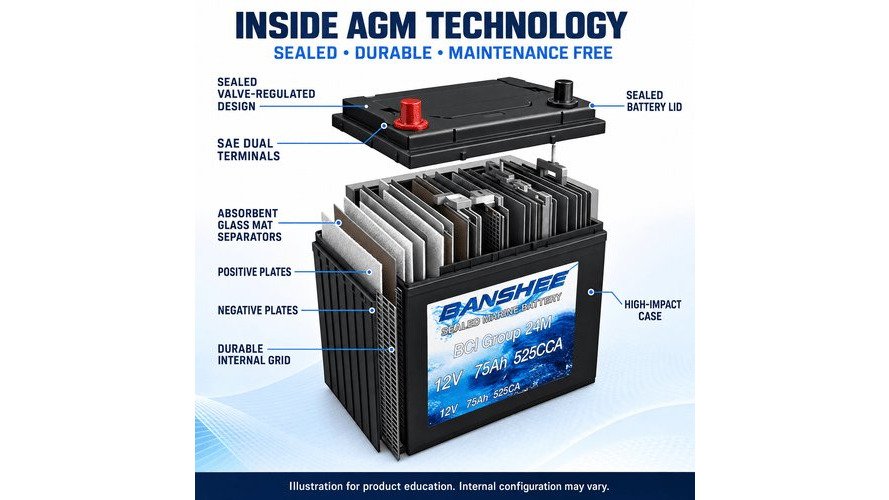
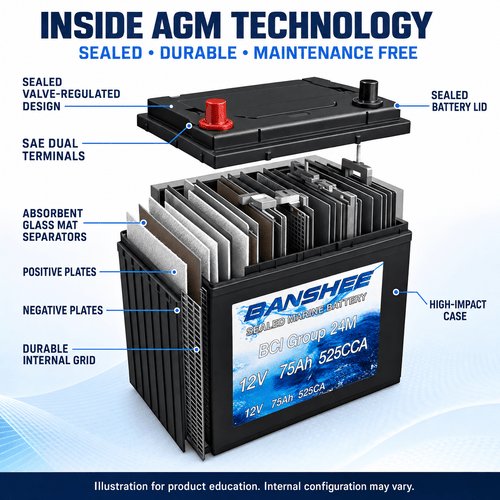
AGM (Absorbent Glass Mat) and gel batteries are sealed designs. They don't require water topping or venting, which makes them lower maintenance.
AGM batteries deliver higher starting power and handle vibration better than flooded types. They're ideal for high-performance boats and rough water conditions. Gel batteries offer excellent deep-cycle performance and tolerate overcharging slightly better than AGM types.
The tradeoff is cost. Sealed batteries cost more upfront. But they last longer and need less maintenance, which saves money over time. For fleet operations, the reduced labor justifies the higher purchase price.
Marine Battery Inspection Checklist for Fleet Operations
Routine inspection catches problems before they become failures. A quick visual check takes five minutes per battery and prevents downtime that could cost thousands.
Visual inspection and case condition
Start with the battery case itself. Look for cracks, bulging, or white crusty deposits on the exterior. Cracks mean the battery is failing and needs replacement. Bulging indicates overcharging or internal damage, replace it immediately.
White deposits are corrosion buildup. They form from chemical reactions between battery acid and the metal terminals. This corrosion increases resistance and reduces power delivery. Clean it off as part of your regular maintenance.
Check the battery hold-down straps and mounting hardware. Loose batteries vibrate, which damages internal plates and shortens life. Tighten any loose hardware you find.
Terminal and connection assessment
Corroded terminals are the leading cause of battery failure in marine settings. Salt spray and moisture create the perfect environment for corrosion to form quickly.
Inspect both the positive and negative terminals. They should be clean and shiny, not green, white, or blue. If corrosion is present, you'll see crusty deposits around the terminal posts.
Check that all cable connections are tight. A loose connection can cause voltage drop and prevent proper charging.
Look for cracks or damage to the cable insulation. Damaged cables expose bare copper and create safety hazards. Replace damaged cables before they cause shorts or electrical fires.
Cleaning Corrosion and Maintaining Electrical Connections
Corrosion removal is straightforward once you know the process. This task takes 15 to 20 minutes per battery and should be done every two to three months during the boating season.
Removing corrosion from terminals
Start by disconnecting the battery cables. Always disconnect the negative (black) cable first, then the positive (red) cable. This prevents accidental shorts.
Mix baking soda with water to create a paste. Use a brass brush or soft wire brush to scrub the corrosion away. Brass won't spark like steel wool might.
Rinse with fresh water and dry completely with a clean cloth. Don't let water sit on the terminals, moisture promotes corrosion to return quickly.
For heavy corrosion that won't come off with baking soda, use a terminal cleaner tool. These mechanical cleaners have rotating brushes that cut through stubborn deposits.
Tightening and protecting connections
After cleaning, reconnect the cables. Connect the positive (red) cable first, then the negative (black) cable. Make sure both connections are tight. Wiggle each cable slightly, it shouldn't move at all.
Apply a thin coat of marine grease or petroleum jelly to the terminals after reconnecting. This creates a barrier that slows corrosion from returning.
Some technicians use terminal protector caps or felt washers. These slip over the terminal post and absorb moisture. They're cheap insurance against corrosion coming back too quickly.
Check connections weekly during the boating season. Tighten any that have loosened. This simple habit prevents most electrical problems before they start.
Marine Battery Charging Tips and State of Charge Management
Proper charging extends battery life significantly. Undercharging leaves batteries in a partially discharged state, which leads to sulfation, a chemical process that damages plates and reduces capacity. Overcharging damages plates and boils off electrolyte.
Proper charging procedures for different battery types
Flooded batteries should be charged at a rate of 10% of their capacity per hour. A 100-amp-hour battery charges safely at 10 amps.
AGM batteries are more sensitive to overcharging. Use a charger specifically rated for AGM batteries. These chargers limit voltage to 14.4 volts maximum and monitor temperature.
Gel batteries need even lower voltage, typically 13.8 to 14.1 volts maximum. If you have mixed battery types in a fleet, use a multi-stage charger that lets you select the battery chemistry.
Always charge batteries at room temperature when possible. Cold slows the charging process. Heat speeds it up and can damage cells.
Avoiding deep discharge and maintaining voltage levels
Deep discharge, draining a battery below 50% capacity, damages all battery types. Flooded batteries are most forgiving, but even they suffer when repeatedly discharged deeply.
Monitor voltage regularly. A fully charged 12-volt battery reads 12.6 volts or higher at rest. When voltage drops below 12 volts, the battery is partially discharged.
For boats with house batteries, install a battery monitor. These devices show voltage and state of charge in real time. They cost between $100 and $300 but prevent costly mistakes.
Develop a routine charging schedule. Charge batteries weekly during the off-season, even if the boat isn't used. This prevents self-discharge from dropping voltage too low.
AGM Battery Maintenance Procedures and Best Practices
AGM batteries dominate modern marine applications because they're reliable and require minimal maintenance.
AGM batteries are sealed, so you'll never add water. Instead, focus on keeping them cool and charged.
Monitor charging voltage carefully. An AGM battery overcharged by even 0.5 volts can fail in months instead of years.
Check connections monthly. Corrosion forms more slowly on AGM batteries than flooded types, but it still happens.
Never let an AGM battery fully discharge. If you do, recharge it within 24 hours.
Store AGM batteries at 50% state of charge during the off-season. This is the ideal storage condition.
Marine Battery Storage and Off-Season Winterization
Proper storage prevents battery degradation during months when your boat sits idle. Batteries self-discharge slowly, and cold temperatures slow this process. But moisture and temperature swings can cause corrosion and plate damage.
Preparing batteries for storage
Before storing, fully charge the battery. A fully charged battery resists self-discharge better than a partially charged one.
Disconnect the negative battery cable. This breaks the circuit and stops parasitic drain from boat systems. Even with the boat off, some devices draw small amounts of power.
Clean the battery case and terminals. Remove any dirt, salt spray, or corrosion. Dirt traps moisture and promotes corrosion during storage. A clean battery survives storage much better.
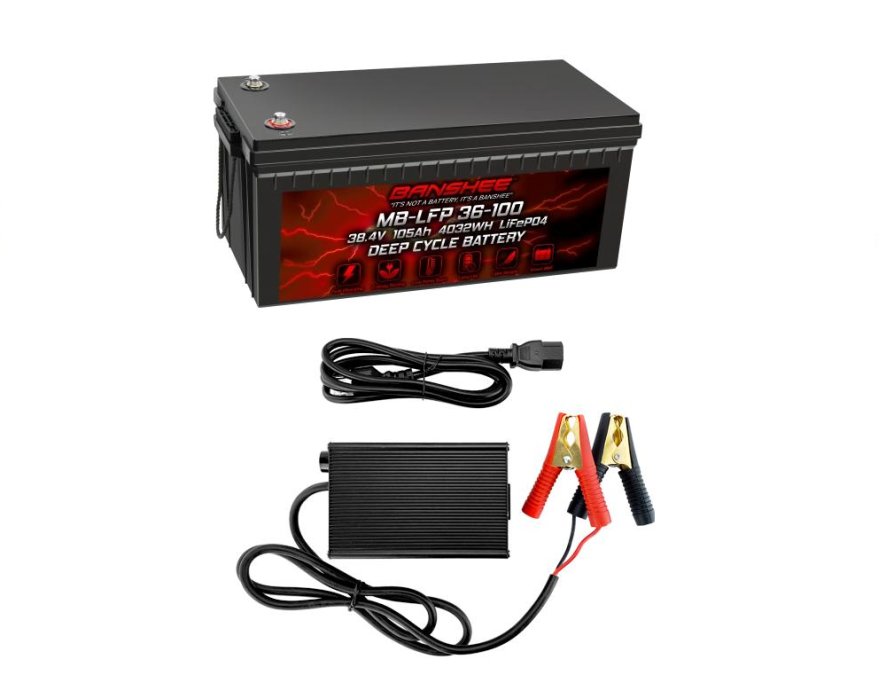
Banshee 24 Volt Lithium for Solar →
Remove the battery from the boat if possible. Store it in a cool, dry location away from metal tools or other batteries. Metal objects can bridge terminals and cause shorts.
Cool, dry storage environment requirements
The ideal storage temperature is between 40 and 60 degrees Fahrenheit. Cold slows self-discharge, which is good. Freezing damages flooded batteries because frozen electrolyte expands and can crack the case.
Humidity matters too. Moisture promotes corrosion and can create electrical paths that cause discharge. Store batteries in a location with low humidity.
Don't store batteries on concrete floors. Concrete wicks moisture and can trigger corrosion on the battery bottom. Place batteries on a wood shelf or plastic pallet instead.
Check stored batteries monthly. Measure voltage with a multimeter. If voltage drops below 12.4 volts, give the battery a short charge. This prevents sulfation from developing during storage.
Bulk Ordering and Fleet Maintenance Strategies
Managing batteries for multiple boats or fleet operations requires systematic approaches. Bulk ordering saves money, but only if you manage inventory and lifecycle properly.
Inventory tracking and lifecycle management
Create a simple spreadsheet tracking each battery: boat or vehicle, installation date, battery type, and location. This record helps you predict when replacement becomes necessary.
Group batteries by installation date. This lets you plan replacements in batches, which reduces labor costs. If five batteries were installed the same year, they'll likely need replacement around the same time.
Establish a rotation schedule. Replace the oldest battery first when one fails. This prevents a situation where multiple batteries fail unexpectedly, leaving boats stranded.
Keep spare batteries on hand. A fleet of ten boats should have one or two spares. This prevents downtime when unexpected failure occurs.
Procurement considerations and volume discounts
Bulk purchases from suppliers like Bigtime Battery offer better pricing than retail. When ordering multiple batteries, ask about volume discounts.
Standardize battery types where possible. Using the same battery model across your fleet simplifies ordering, maintenance, and training.
Compare total cost of ownership, not just purchase price.
Establish a relationship with your supplier. Regular orders build loyalty, which can lead to better pricing and priority service.
Build a maintenance budget that includes battery replacement.
Maintenance Task | Frequency | Time Required | Impact |
|---|---|---|---|
Visual inspection | Monthly | 5 minutes | Catches problems early |
Terminal cleaning | Every 2-3 months | 15-20 minutes | Prevents corrosion failure |
Connection tightening | Weekly | 5 minutes | Maintains power delivery |
Voltage check | Monthly | 2 minutes | Prevents deep discharge |
Full charge | After use | 2-4 hours | Extends battery life |
Storage check | Monthly (off-season) | 3 minutes | Prevents sulfation |
Marine battery maintenance doesn't have to be complicated. Regular inspection, proper charging, and corrosion removal keep batteries working reliably for years.
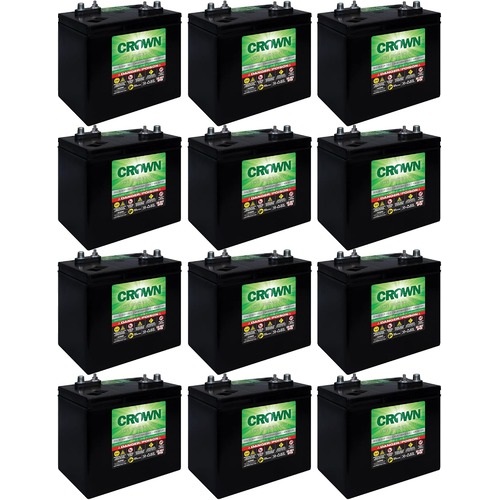
When you're ready to replace batteries or stock spares, Bigtime Battery offers reliable AGM batteries in bulk quantities. Our Crown Battery 6CRV220 AGM sealed deep-cycle batteries come in packs from 2 to 12 units, delivering the maintenance-free performance and durability marine operations demand. Get started with quality batteries at bigtimebattery.com and keep your fleet running strong.
Frequently Asked Questions
What is the best way to maintain a marine battery in a bulk fleet?
Establish a routine schedule for inspection, cleaning, and charging. Check voltage and water levels (for flooded batteries) monthly, clean terminals quarterly to prevent corrosion, and charge after each use to avoid deep discharge. For bulk operations, track each battery's state of charge and replacement date. AGM batteries require less maintenance than flooded types but still benefit from regular voltage checks and proper storage. Use a centralized charging system and maintain detailed records for each battery bank to ensure consistent performance across your fleet.
How often should you inspect marine batteries?
Inspect marine batteries at least monthly during active boating season and before extended storage. Check battery case condition for cracks or swelling, verify terminal connections are tight, and look for corrosion buildup. For bulk fleet operations, monthly inspections help catch problems early and prevent unexpected downtime. If batteries experience heavy use or extreme temperatures, increase inspection frequency to every two weeks. Always inspect before putting a boat into service after off-season storage.
What are the key differences in maintaining AGM batteries versus flooded batteries?
AGM batteries are sealed and maintenance-free, requiring no water level checks or electrolyte refilling. They tolerate deeper discharge and charge faster than flooded batteries. Both types need regular cleaning of terminals and connections. AGM batteries excel in marine applications because they resist vibration and can be mounted in any position. For bulk orders, AGM batteries reduce maintenance labor significantly while delivering reliable deep-cycle performance for trolling motors, outboard engines, and backup power systems.
How should marine batteries be stored during the off-season?
Store marine batteries in a cool, dry location with proper ventilation, ideally between 50-60°F. Fully charge all batteries before storage to prevent sulfation and extend battery life. Use a battery maintainer or trickle charger to keep them charged during extended storage periods. For bulk fleet operations, organize batteries by type and charge date, and check voltage monthly to ensure they remain at proper levels. Keep batteries away from moisture, metal objects, and extreme temperatures. This winterization approach preserves battery capacity and ensures reliable performance when you return to the water.