 ultimate-guide
Buy Replacement Medical Device Batteries: Complete 2026 Guide
Table of Contents
- How to Find Your Replacement Medical Device Battery
- Types of Medical Device Batteries: Chemistry, Voltage, and Compatibility
- OEM vs Aftermarket Medical Batteries: What You Need to Know
- Common Medical Equipment That Needs Battery Replacements
- Medical Equipment Battery Lifespan and Maintenance
- FDA Medical Device Battery Requirements and Compliance
- How to Dispose of Medical Device Batteries Safely
- Frequently Asked Questions
Last Updated: August 7, 2026
How to Find Your Replacement Medical Device Battery
Finding the correct replacement medical device batteries starts with identifying your specific equipment. Medical devices rely on precise power specifications, and using the wrong battery can compromise device function or create safety risks. The most reliable approach involves searching by either device manufacturer or device model number.
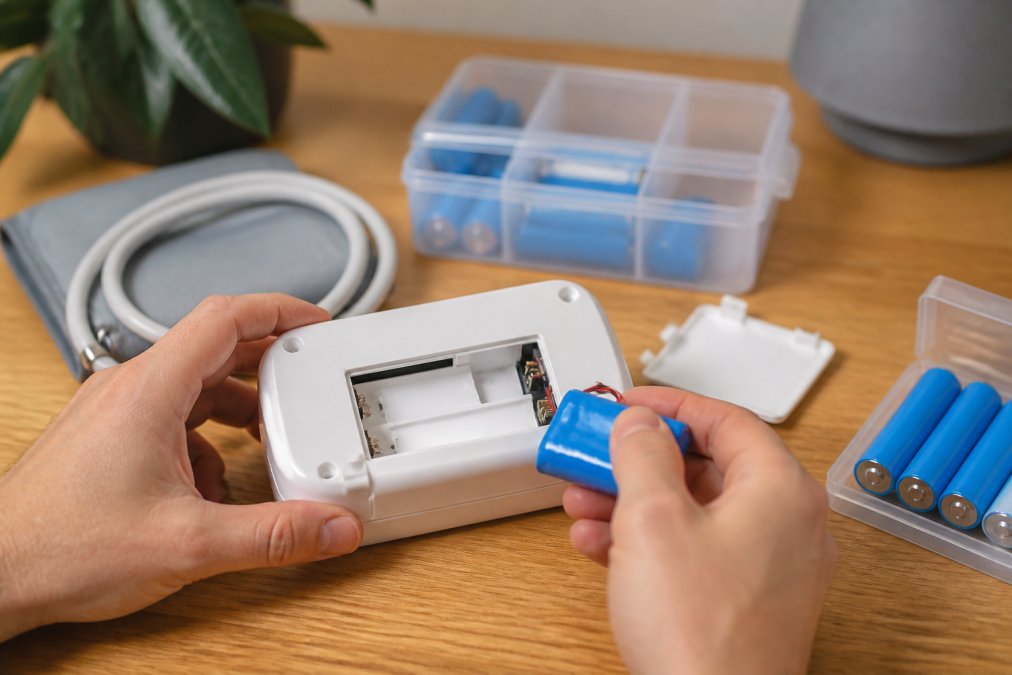
Search by Device Manufacturer
Device manufacturers often produce proprietary or specialized batteries designed specifically for their equipment. When you know the manufacturer name, you can access their battery specifications directly. Most manufacturers list compatible replacement batteries on their support pages or in device documentation.
Common medical device manufacturers include Philips, GE Healthcare, Medtronic, Siemens, and Zoll. Each produces batteries engineered to exact voltage and amp-hour specifications for their monitors, defibrillators, and diagnostic tools. Searching by manufacturer name ensures you get batteries that meet the original equipment manufacturer specifications.
At Bigtime Battery, we maintain an extensive inventory of batteries from major medical device manufacturers. This means you can search by brand name and find compatible options without navigating multiple manufacturer websites. Our team can help match your device to the correct replacement power solution.
Search by Device Model
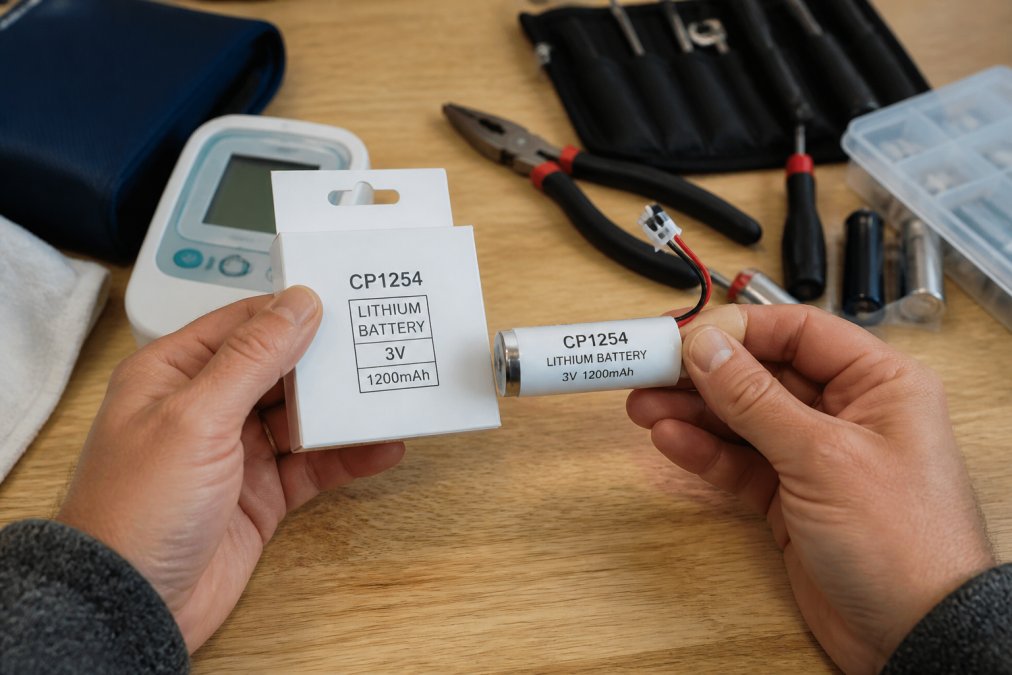
Device model numbers provide the most precise way to identify compatible batteries. Every medical device carries a model number on its casing or in its user manual. This number tells you exactly which battery specifications are required.
To find your model number, check the back or bottom of your device for a label showing the model designation. Then search that model number against battery compatibility databases. Many medical device batteries work across multiple models within a product line, so knowing your exact model prevents ordering incompatible units.
If the label is worn or illegible, consult your device's user manual or contact the manufacturer's support team. They can confirm the correct battery specifications based on your serial number or device description. Once you have the model number, replacement battery identification becomes straightforward.
Types of Medical Device Batteries: Chemistry, Voltage, and Compatibility
Medical device batteries vary significantly in chemistry, voltage output, and discharge characteristics. Understanding these differences ensures you select batteries that deliver reliable power for clinical-grade performance. The three primary categories used in medical equipment are lithium-ion, sealed lead acid, and alkaline batteries.
Lithium-Ion and Rechargeable Battery Packs
Lithium-ion batteries dominate modern medical device design because they deliver high energy density in compact form factors. These rechargeable batteries power portable monitors, diagnostic devices, and emergency equipment that require frequent charging cycles. Lithium-ion chemistry provides consistent voltage output throughout the discharge cycle, which is critical for devices that depend on stable power.
Rechargeable battery packs used in medical equipment typically range from 3.6V to 14.4V, depending on the device architecture. A single lithium-ion cell delivers 3.6V nominal voltage, so multi-cell packs stack voltage for higher-power applications. These batteries support hundreds of charge cycles, making them cost-effective for equipment used daily in clinical or home care settings.
The main advantage of lithium-ion is longevity. A medical equipment battery lifespan measured in rechargeable cycles means lower replacement frequency compared to single-use alternatives. This reduces downtime and total cost of ownership for healthcare facilities and home care providers.
Sealed Lead Acid and AGM Technology
Sealed lead acid batteries have been used in medical equipment for decades. These batteries use an AGM (Absorbed Glass Mat) technology that suspends electrolyte in a glass fiber separator, eliminating the need for liquid electrolyte maintenance. This design makes them safer for clinical environments where spillage or leakage poses contamination risks.
AGM technology delivers reliable power for stationary medical equipment like patient monitors and defibrillators used in fixed locations. These batteries typically provide 6V or 12V output and can deliver high current for short periods, which suits emergency equipment requirements. A medical device battery using AGM chemistry is maintenance-free and performs consistently across temperature ranges common in hospitals and clinics.
The discharge rate of sealed lead acid batteries is well-understood and predictable. This makes them suitable for backup power systems and emergency lighting where consistent voltage delivery matters. However, they are heavier and bulkier than lithium-ion alternatives, which limits their use in portable equipment.
Alkaline and Standard Replacements
Alkaline batteries serve as primary power sources for portable diagnostic tools, handheld monitors, and emergency devices. These single-use batteries are widely available and require no charging infrastructure. For medical equipment used intermittently or in remote settings, alkaline batteries offer simplicity and reliability.
Standard alkaline cells deliver 1.5V per cell, with common medical device configurations using 4, 6, or 8 cells in series for 6V, 9V, or 12V output. The voltage remains relatively stable until the battery is nearly depleted, then drops sharply. This characteristic is important for devices that depend on minimum voltage thresholds to function properly.
Alkaline batteries are cost-effective for low-drain applications but become expensive for high-power continuous-use equipment. A device running continuously would require frequent battery changes, making rechargeable alternatives more practical. However, for portable equipment used a few hours per week, alkaline batteries provide the most straightforward solution.
OEM vs Aftermarket Medical Batteries: What You Need to Know
Original Equipment Manufacturer batteries are designed and tested specifically for your device. These batteries meet the exact voltage, amp-hour capacity, and connector specifications required by the equipment. OEM batteries typically carry longer warranties and are guaranteed to work without compatibility issues.
Aftermarket batteries cost less than OEM options but introduce compatibility risks. Some aftermarket batteries meet the same specifications as OEM units, while others cut corners on materials or testing. The difference between a quality aftermarket battery and a substandard one often isn't visible until the battery fails in clinical use.
For critical medical equipment like defibrillators, patient monitors, or infusion pumps, OEM batteries are the safer choice. These devices depend on precise power delivery, and a battery that doesn't meet specifications could compromise patient safety. The cost difference between OEM and aftermarket is usually small compared to the risk of device failure during patient care.
Bigtime Battery carries both OEM and quality aftermarket options. We source aftermarket batteries only from suppliers who meet healthcare-grade standards and provide full compatibility documentation. This means you get cost savings without sacrificing reliability for non-critical applications, while maintaining access to OEM batteries for equipment where specifications are non-negotiable.
Common Medical Equipment That Needs Battery Replacements
Healthcare settings and home care environments rely on dozens of battery-powered devices. Understanding which equipment requires replacement batteries helps you maintain adequate inventory and prevents unexpected downtime.
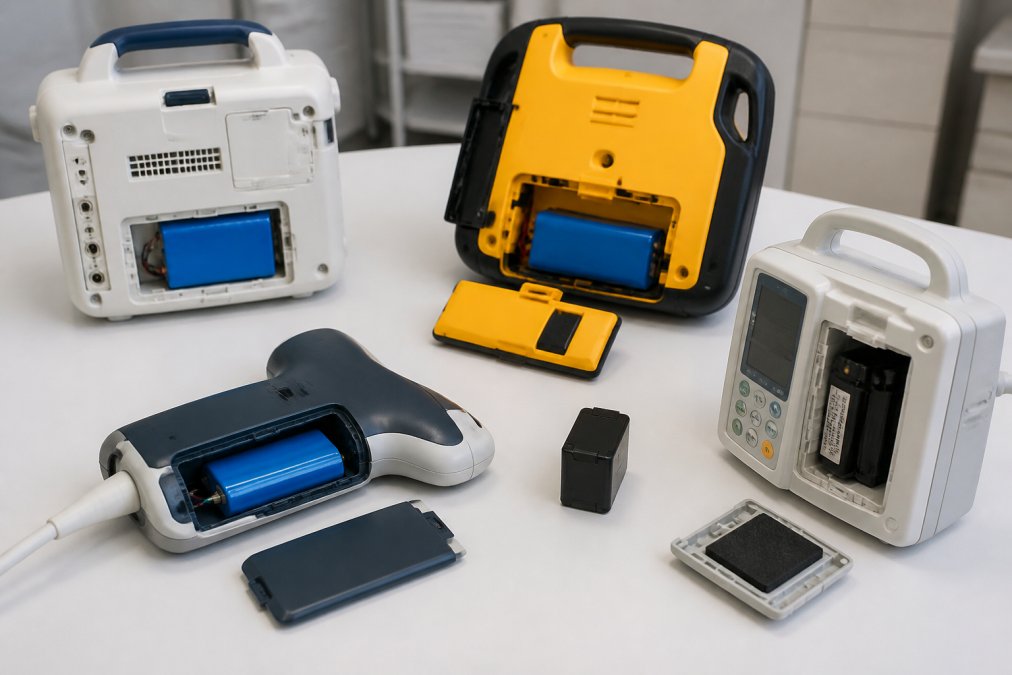
Patient Monitors and Defibrillators
Patient monitors track vital signs continuously and require reliable power for accurate readings. Portable monitors used in ambulances, clinics, and home care settings depend on rechargeable lithium-ion batteries that deliver consistent voltage for hours of continuous operation. These batteries typically need replacement every 2-3 years depending on usage patterns.
Automated external defibrillators (AEDs) are life-critical devices that must function on demand. These units use either lithium or alkaline batteries, depending on the model. AED batteries require regular replacement regardless of whether the device has been used, because the battery must be fresh when an emergency occurs. Many AED models require battery replacement every 3-5 years.
Infusion Pumps and Diagnostic Tools
Infusion pumps deliver medication or fluids at precise rates and cannot tolerate power interruptions. These devices use rechargeable battery packs that power the pump mechanism and control electronics. Battery failure in an infusion pump requires immediate replacement to resume patient care.
Portable diagnostic tools like ultrasound machines, ECG devices, and blood glucose monitors all depend on batteries for field use. These devices typically use standard battery formats like AA, AAA, or proprietary rechargeable packs. Diagnostic tool batteries are replaced more frequently because these devices are used multiple times daily across different patient locations.
CPAP Machines and Home Care Devices
CPAP machines used for sleep apnea treatment require backup battery power for patients who depend on continuous positive airway pressure. Home care CPAP batteries are rechargeable and designed for overnight use. These batteries typically last 1-2 years before capacity degradation requires replacement.
Home care devices like portable oxygen concentrators, electric wheelchairs, and mobility aids all use specialized battery packs. These applications demand high amp-hour capacity to support all-day use. Battery replacement for home care equipment is often the largest ongoing maintenance cost for patients and care facilities.
Medical Equipment Battery Lifespan and Maintenance
A medical device battery lifespan depends on chemistry type, usage patterns, and environmental conditions. Lithium-ion batteries in rechargeable equipment typically deliver 500-1000 full charge cycles before capacity drops below 80% of original specifications. This translates to 2-3 years of daily use before replacement becomes necessary.
Sealed lead acid batteries have similar cycle life but degrade faster if stored in high-temperature environments. Proper storage in cool, dry conditions extends battery lifespan significantly. Healthcare facilities that maintain optimal storage conditions report 3-4 years of reliable service from AGM batteries before replacement.
Alkaline batteries have no cycle life because they are single-use. However, they degrade even when not in use if stored improperly. Alkaline batteries stored in warm locations lose capacity faster than those kept in cool conditions. For equipment used occasionally, replacing alkaline batteries annually ensures reliable power when needed.
Preventative maintenance extends medical equipment battery lifespan. Keep battery terminals clean and free of corrosion. Store rechargeable batteries in cool environments and avoid complete discharge cycles when possible. For equipment used intermittently, charge batteries monthly to maintain capacity and prevent deep discharge damage.
FDA Medical Device Battery Requirements and Compliance
The FDA regulates batteries used in medical devices as part of the device classification system. Batteries that are integral to device function must meet the same safety and performance standards as the device itself. This means replacement batteries must maintain the same specifications as original batteries to comply with FDA requirements.
Medical device batteries must pass biocompatibility testing to ensure they don't introduce toxic substances through skin contact or device leakage. Batteries must also meet electrical safety standards that prevent short circuits or thermal runaway. These regulatory standards apply to both OEM and replacement batteries sold for use in FDA-regulated devices.
Manufacturers of medical device batteries must maintain quality documentation and traceability records. This means reputable battery suppliers can provide certificates of compliance showing that batteries meet applicable FDA standards. When purchasing replacement batteries, request compliance documentation from your supplier to verify that batteries meet regulatory requirements.
How to Dispose of Medical Device Batteries Safely
Medical device batteries contain materials that require special handling for environmental protection. Lithium-ion batteries can ignite if damaged or improperly disposed of in regular trash. Sealed lead acid batteries contain sulfuric acid and lead, which are toxic if released into soil or water. Proper disposal prevents environmental contamination and complies with EPA regulations.
Most communities maintain battery recycling programs that accept medical device batteries. Contact your local waste management authority to find recycling locations near you. Many healthcare facilities have established battery disposal contracts with specialized recycling companies that handle medical equipment waste.
Never throw medical device batteries in regular trash or attempt to burn them. Do not dispose of batteries in water or bury them. Store used batteries in a safe location away from moisture and heat until you can transport them to a recycling facility. Label containers clearly to indicate they contain used medical batteries.
Some manufacturers accept used batteries for recycling as part of their take-back programs. Check with the device manufacturer to learn whether they offer battery recycling services. This option is often convenient for facilities that purchase large quantities of replacement batteries from the same manufacturer.
When your medical equipment loses power unexpectedly, finding the right replacement battery quickly becomes critical. Bigtime Battery specializes in medical device batteries across all major equipment types, from patient monitors to infusion pumps to CPAP machines. Our one-stop shop approach means you can search by manufacturer or device model and find compatible batteries with voltage specifications that match your exact requirements. With our wide selection of OEM and quality aftermarket options, you get reliable power solutions at competitive prices. Get your replacement medical device batteries from Bigtime Battery today and ensure your equipment stays powered when it matters most.
Frequently Asked Questions
How do I know which replacement medical device battery I actually need?
Start by checking your device's manual or the battery compartment label for the model number, voltage, and amp-hour rating. If the label is worn, search by your device manufacturer and model number on Bigtime Battery's website, or contact customer service with photos of your device. Original equipment manufacturer (OEM) part numbers are the most reliable way to ensure compatibility and avoid costly downtime.
What's the difference between OEM and aftermarket medical batteries?
OEM batteries are made by the device manufacturer and guaranteed to meet all clinical-grade specifications and regulatory standards. Aftermarket batteries are third-party replacements that cost less but may have different cycle life or discharge rates. For critical medical equipment like patient monitors or infusion pumps, OEM batteries provide the highest assurance of reliability and compliance with FDA requirements.
How long do medical device batteries typically last?
Medical equipment battery lifespan depends on chemistry and usage. Rechargeable lithium-ion packs often last 500-1000 charge cycles (2-5 years). Sealed lead acid and AGM batteries typically provide 3-5 years of service. Alkaline batteries vary widely by device and usage pattern. Check your device manual for expected lifespan, and replace batteries before they fail to prevent emergency situations.
Can I dispose of medical device batteries in regular trash?
No. Most medical device batteries contain hazardous materials and must follow EPA disposal regulations. Rechargeable lithium-ion and sealed lead acid batteries require specialized recycling. Contact your local hazardous waste facility or ask Bigtime Battery about battery recycling programs. Proper disposal protects the environment and ensures compliance with federal regulations.