 comparison
Battery Clerk vs Interstate Batteries: 2026
Table of Contents
- Battery Clerk vs Interstate Batteries: Head-to-Head Comparison
- Cold Cranking Amps and Performance Specifications
- Car Battery Warranty Comparison
- How to Choose a Car Battery for Your Vehicle
- Best Car Battery Brands: Where They Stand
- Price and Value: What You'll Actually Pay
- Which Battery Should You Buy?
- Frequently Asked Questions
Last Updated: August 16, 2026
Battery Clerk vs Interstate Batteries: Head-to-Head Comparison
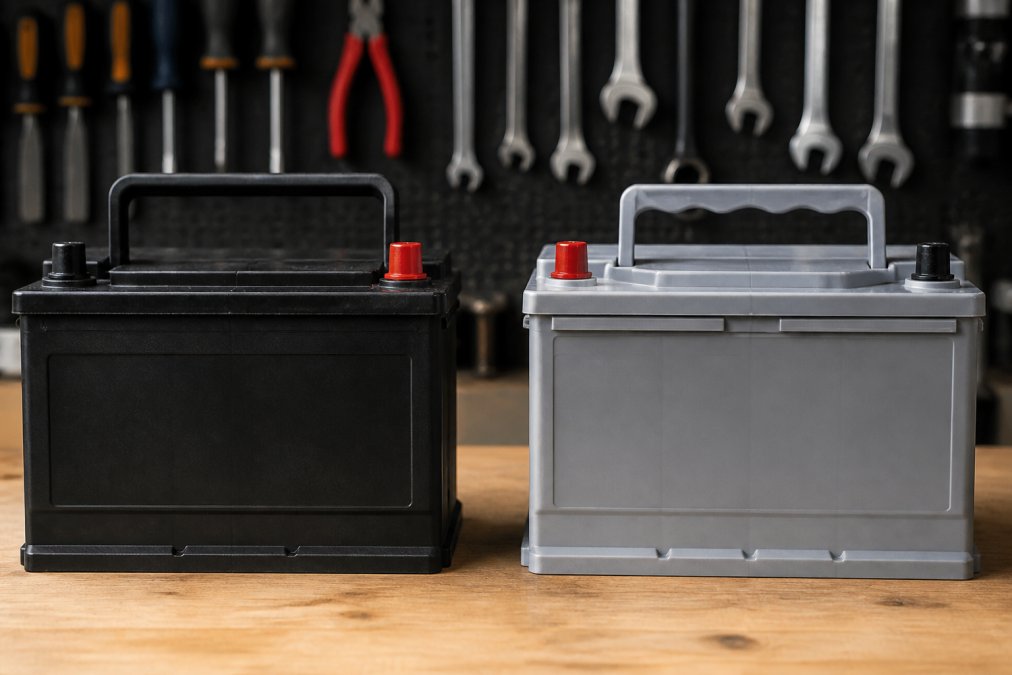
When you need a replacement car battery, you're likely comparing Battery Clerk vs Interstate Batteries, two of the most accessible options for drivers shopping online or in-store. Battery Clerk positions itself as a direct-to-consumer e-commerce option with competitive pricing and convenience. Interstate Batteries operates through a network of authorized dealers and company-owned stores, offering deeper local presence. The choice often comes down to whether you prioritize online ordering and delivery speed versus in-person support and immediate availability.
Cold Cranking Amps and Performance Specifications
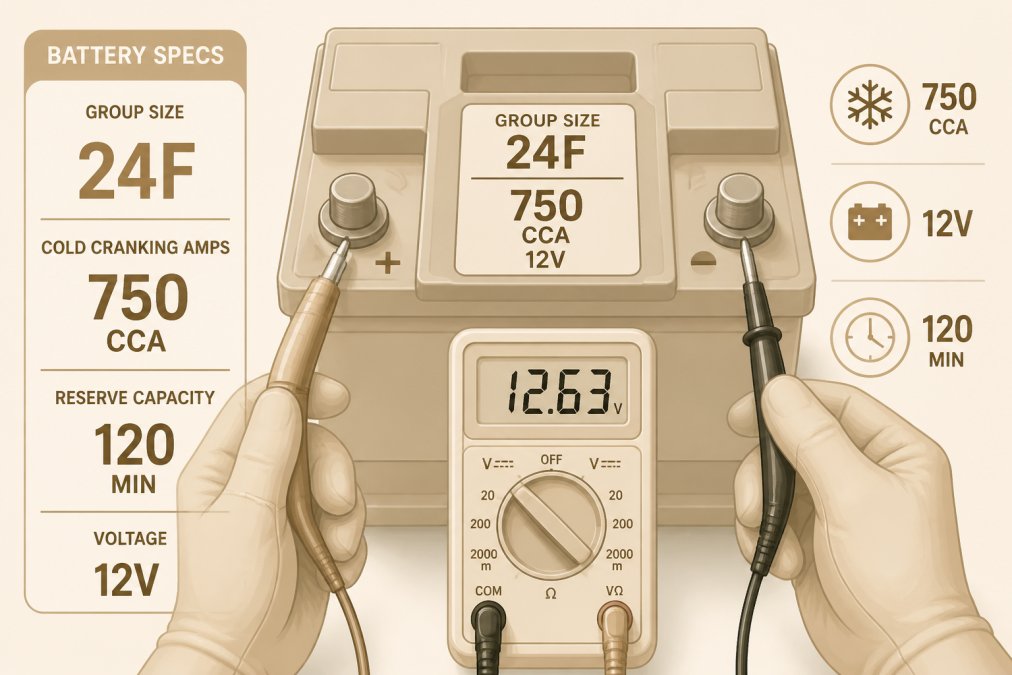
Cold cranking amps measure how much current a battery can deliver at 0°F for 30 seconds, the metric that determines whether your engine starts in winter. This is the single most important specification when comparing Battery Clerk and Interstate Batteries.
Understanding CCA in Context
Battery Clerk primarily carries batteries manufactured by East Penn Manufacturing (Deka brand) and Clarios, both solid mid-tier producers. Their batteries meet standard CCA ratings but rarely exceed them by more than 2-3%.
Interstate Batteries manufactures many of its own batteries through regional plants, ensuring tighter quality control. Their batteries often deliver 5-10% higher CCA than the published rating, a margin that matters when your engine struggles to turn over at -10°F or below.
Reserve Capacity: The Overlooked Specification
Reserve capacity (RC) measures how long a battery can power essential systems if your alternator fails. Interstate batteries average 120-140 minutes of reserve capacity across their standard lead-acid lineup. Battery Clerk's selection typically ranges 100-130 minutes. For a long highway drive with a failed alternator, that 10-20 minute difference could mean reaching a service station versus getting stranded.
AGM vs. Lead-Acid Performance Under Load
Absorbed glass mat (AGM) batteries handle modern vehicles' high electrical demands far better than traditional lead-acid. Interstate's AGM batteries maintain voltage stability under heavy load better than Battery Clerk's AGM options. When running air conditioning, headlights, and rear defrost simultaneously, Interstate AGM batteries hold closer to 12.6 volts, while Battery Clerk's may drop to 12.1-12.3 volts. Battery Clerk's AGM batteries cost 10-15% less and are adequate for most drivers unless you're running high-draw aftermarket systems.
Climate-Specific Performance Considerations
In northern climates where temperatures regularly drop to -20°F or below, a battery rated at 600 CCA at 0°F delivers only 400-450 CCA at -20°F. Interstate's 5-10% CCA margin becomes critical here. In southern climates where temperatures rarely drop below 20°F, both retailers' batteries perform identically. For hot climates, reserve capacity matters more than CCA, as heat accelerates battery degradation.
Practical Specification Matching
Check your vehicle's owner's manual for three specifications: group size, CCA requirement, and reserve capacity. Match these exactly. Battery Clerk's website allows you to filter by vehicle year, make, and model, automatically returning compatible specifications. Interstate's dealer network provides the same service in-store.
Car Battery Warranty Comparison
Battery Clerk typically offers 24-36 months of free replacement warranty on most batteries, with pro-rata coverage extending to 60-84 months. Interstate Batteries' warranty structure mirrors this approach but with slightly longer free-replacement windows on premium lines, up to 48 months on select Interstate-branded batteries. Their warranty is honored at any authorized Interstate dealer, convenient if you're traveling.
Both retailers require proof of purchase and the original battery for warranty claims. Battery Clerk handles claims through their website and email, which is friction-free but slower. Interstate requires an in-store visit to an authorized dealer, which is faster if one is nearby. A longer warranty doesn't necessarily mean better quality, what matters is whether the battery actually fails within the warranty period, which depends on your driving patterns, climate, and charging system health.
How to Choose a Car Battery for Your Vehicle
Choosing between Battery Clerk and Interstate Batteries starts with three questions: Do you need the battery today, or can you wait for delivery? Do you want to handle installation yourself, or do you need professional help? Are you buying standard lead-acid, AGM, or lithium technology?
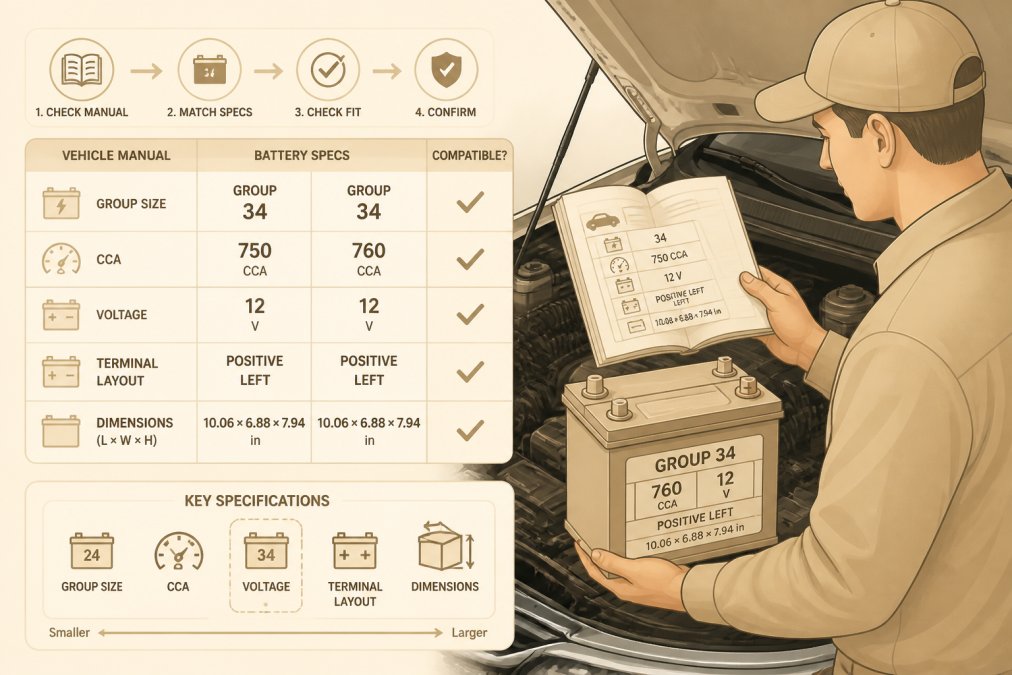
If you need the battery within 24 hours, Interstate Batteries wins. Their dealer network means same-day purchase and installation at most locations. Battery Clerk ships quickly, often next-day in urban areas, but you'll need to handle installation yourself or pay a third-party mechanic.
If you're comfortable installing the battery yourself, Battery Clerk's online ordering and delivery is simpler. You avoid dealer markup and can order at midnight. Interstate's in-store experience is better if you want verification you're buying the right battery and professional installation.
Modern vehicles with stop-start technology require AGM batteries; lead-acid will fail within months. Older vehicles with simple charging systems work fine with lead-acid. Check your owner's manual if you're unsure.
Best Car Battery Brands: Where They Stand
When comparing best car battery brands, the conversation usually focuses on Interstate, Optima, DieHard, and Duracell. Battery Clerk stocks three of these; Interstate stocks all four through their dealer network.
Interstate Batteries' proprietary brand is the most widely available through their dealer network. Their batteries are manufactured in-house, ensuring consistent quality control, though you pay a slight premium for the Interstate name and dealer distribution.
Optima batteries, owned by Johnson Controls, are premium AGM batteries designed for high-performance applications. They cost 50-70% more than standard lead-acid but deliver superior cranking power and longevity. Both Battery Clerk and Interstate carry Optima, though inventory varies by location.
DieHard batteries are sold primarily through Advance Auto Parts stores, not through Battery Clerk or Interstate. Duracell batteries are licensed to Clarios and sold through Interstate dealers and some online retailers. They're solid mid-range options but not meaningfully different from Interstate's house brand.
The reality: brand loyalty in car batteries is mostly marketing. What matters is the CCA rating, reserve capacity, warranty, and whether the battery fits your vehicle's group size.
Price and Value: What You'll Actually Pay
Battery Clerk undercuts Interstate on list price by 10-15% for standard lead-acid batteries. For AGM batteries, the gap widens to 15-25%. However, comparing sticker price alone ignores true cost of ownership, which includes longevity, warranty claims, and replacement frequency.
Why Battery Clerk Costs Less
Battery Clerk's direct-to-consumer model eliminates dealer markup. Interstate's network of authorized dealers requires overhead, store rent, staff, installation equipment, that gets passed to the consumer. For a standard lead-acid battery, Battery Clerk's typical price range is $80-$140. Interstate's equivalent costs $90-$160. For AGM batteries, Battery Clerk ranges $150-$250, while Interstate ranges $180-$320.
Cost-Per-Year Analysis: The Real Comparison
A cheaper battery that fails in 3 years is more expensive than a premium battery that lasts 5 years. A Battery Clerk lead-acid battery at $110 lasting 3.5 years costs $31.43 per year. An Interstate lead-acid battery at $130 lasting 4.5 years costs $28.89 per year. The Interstate battery is actually cheaper per year, despite the higher upfront cost.
Installation Costs Change the Equation
Interstate's in-store installation typically costs $50-$100. Battery Clerk requires a third-party mechanic, which costs $75-$150. Total cost example: Battery Clerk battery ($110) + independent mechanic ($85) = $195. Interstate battery ($130) + in-store installation ($75) = $205. The difference narrows to $10.
Seasonal Promotions and Trade-In Value
Interstate often runs seasonal promotions: Spring buy-one-get-one-50%-off, Fall trade-in discounts ($20-$50 off), Winter loyalty discounts. Battery Clerk runs fewer promotions but occasionally offers 10-15% off for first-time customers. If you're buying multiple batteries or have an old battery to trade, Interstate's seasonal promotions sometimes beat Battery Clerk's everyday pricing by $30-$60 per battery.
Bulk Purchasing and Fleet Pricing
For 10+ batteries, both retailers typically offer 15-25% off list price. Battery Clerk's fleet pricing is handled through their business portal. Interstate's fleet pricing is negotiated directly with regional sales managers and often includes free installation. For a fleet of 20 vehicles, Interstate's all-in cost is often lower than Battery Clerk's, even though Battery Clerk's per-unit battery cost is lower. Contact both retailers directly for fleet quotes.
Warranty Claims and Hidden Costs
Battery Clerk handles claims through their website and email with 3-5 day turnaround. Interstate requires an in-store visit for immediate replacement. If you can't locate your receipt or the old battery is recycled, claiming warranty coverage becomes difficult with both retailers. Keep your receipt and original battery for at least 24 months.
The Real Value Proposition
The cheapest battery upfront isn't always the best value. Choose based on your climate, vehicle demands, installation convenience, and expected lifespan. Price is the tiebreaker, not the deciding factor. For drivers in moderate climates who can install batteries themselves, Battery Clerk's cost-per-year advantage is real: $5-$10 per year savings. For drivers in extreme climates or those needing professional installation, Interstate's slightly longer lifespan and same-day service often justify the higher upfront cost.
Which Battery Should You Buy?
Choose Battery Clerk if you're buying a single battery for a standard vehicle, you can install it yourself, and you want the lowest price. Their selection is broad, delivery is fast in most areas, and customer service handles returns smoothly.
Choose Interstate Batteries if you need the battery today, you want professional installation, or you're buying multiple batteries and can take advantage of seasonal promotions. Their dealer network provides same-day availability and hands-on support.
Neither retailer is objectively "best", they optimize for different priorities. Battery Clerk wins on price and convenience for online shoppers. Interstate wins on speed and service for drivers needing immediate help.
The battery itself matters more than where you buy it. A 600-CCA battery from either retailer will perform identically in your car. Warranty coverage is comparable. The real differentiator is your situation: Can you wait for delivery? Do you need installation help? Are you buying one battery or ten?
Answer those questions, and the choice becomes obvious.
Choosing the right battery for your vehicle requires matching the battery's specifications to your vehicle's needs and your shopping preferences. Whether you choose Battery Clerk for online convenience and pricing or Interstate Batteries for same-day availability and professional service, verify the group size and CCA rating match your owner's manual. At Bigtime Battery, we stock a wide selection of replacement batteries across all major types, including lead-acid, AGM, and specialty batteries for marine, medical, and industrial applications. Explore our full catalog to find the exact battery your vehicle demands, backed by reliable service and competitive pricing.
Frequently Asked Questions
Is Battery Clerk a reputable company for buying batteries?
Battery Clerk operates as an established online retailer with a track record in the battery marketplace. Like any retailer, reputation depends on order fulfillment, product quality, and customer service responsiveness. Before ordering, check current reviews on independent sites and confirm their return policy matches your needs. Verify they stock the exact group size and cold cranking amps your vehicle requires, ordering the wrong battery creates costly downtime.
Are Interstate Batteries considered the best car battery brand?
Interstate Batteries ranks among the top automotive battery manufacturers, known for consistent quality and reliable cranking performance. Whether they're 'best' depends on your priorities: reserve capacity needs, warranty length, climate conditions, and budget. Interstate batteries typically offer strong warranties and good availability through multiple retailers. However, other manufacturers also deliver excellent performance. The best battery for you matches your vehicle's specifications and your use case.
How do I determine which battery brand is best for my specific vehicle?
Start with your vehicle's owner manual or battery label to find the group size, cold cranking amps (CCA), and ampere hours (Ah) required. Cross-reference these specs against what Battery Clerk and Interstate Batteries offer. Consider climate: vehicles in cold regions need higher CCA ratings for reliable starting. Check warranty periods, longer warranties often indicate manufacturer confidence. Compare voltage stability specs and terminal configuration to ensure compatibility. If unsure, contact customer service with your vehicle's year, make, and model.
What's the difference between buying from Battery Clerk versus Interstate Batteries directly?
Battery Clerk is a third-party retailer; Interstate Batteries is the original equipment manufacturer. Buying from Interstate directly may offer access to their full product line and official warranty support, but Battery Clerk often provides competitive pricing and convenient online ordering. Both should honor manufacturer warranties. The key difference is fulfillment speed, return policies, and bulk discount availability, factors that vary by retailer. Verify shipping times and restocking policies before ordering, especially if you need fast delivery.
Do Interstate Batteries offer better warranty coverage than other brands?
Interstate Batteries typically offers competitive warranty periods, often 3 to 5 years depending on the product line, with straightforward claim processes. Many manufacturers provide similar coverage lengths. What distinguishes warranties is the claim process: some require proof of purchase, others check installation date on the battery itself. Reserve capacity and voltage stability during the warranty period also matter. Compare the specific warranty terms for the battery models you're considering, as coverage varies by chemistry (lead-acid vs. AGM) and intended use.