 ultimate-guide
AED Battery Replacement: Shipping Times & Delivery Guide
Table of Contents
- AED Battery Replacement Shipping Times: What to Expect
- Factors Affecting AED Battery Shipping Times
- How to Check AED Battery Status Before Ordering
- AED Battery Replacement Cost by Brand and Type
- Emergency vs. Routine Shipping: When to Expedite
- AED Battery Maintenance and Replacement Schedule
- Frequently Asked Questions
Last Updated: August 6, 2026
AED Battery Replacement Shipping Times: What to Expect
AED battery replacement shipping times vary based on your choice between standard ground and expedited delivery, inventory status, and hazmat processing requirements. Understanding these variables prevents your facility's emergency preparedness from being compromised by unexpected delays.
Bigtime Battery specializes in providing high-quality replacement batteries for medical devices, including automated external defibrillators, ensuring you have reliable power solutions when you need them most. This guide walks you through realistic delivery windows, factors affecting order processing, and how to troubleshoot delays.
Standard Ground Shipping vs. Expedited Delivery
Standard ground shipping typically takes 5-7 business days from order placement to delivery, assuming the battery is in stock. Next-day air delivery compresses this to 24 business hours, while 2-3 day expedited options fall between the two. The trade-off is cost: expedited delivery carries a premium that varies by carrier and destination.
The critical detail most guides skip: the clock starts after order processing completes, not at order placement. An order placed at 3 PM Friday won't process until Monday morning, automatically pushing your delivery window back by 24+ hours.
How Order Processing Affects Your Delivery Window
Order processing typically takes 2-4 hours during business hours but can extend to 24 hours if your order requires manual review. Manual review happens when you're ordering unusual quantities, when payment triggers fraud checks, or when the system can't automatically match your device model to the correct battery.
Volume orders for fleet AED maintenance require custom quoting and manual processing, adding 1-2 business days to your timeline. This specialized handling ensures your large order ships together rather than in fragmented shipments.
Factors Affecting AED Battery Shipping Times
Inventory Status and Backorder Risk
Real-time inventory status is the single biggest factor determining whether your order ships today or weeks from now. A battery in stock ships within hours of processing. A battery on backorder sits in a queue until manufacturer stock arrives, which can take weeks depending on the model and current demand.
Common AED battery models typically have shorter lead times because they move through inventory quickly. Specialty batteries or older model replacements may require longer manufacturing runs. Checking real-time inventory before committing to an order prevents discovering your battery is backordered after payment.
Hazmat Shipping Regulations for AED Batteries
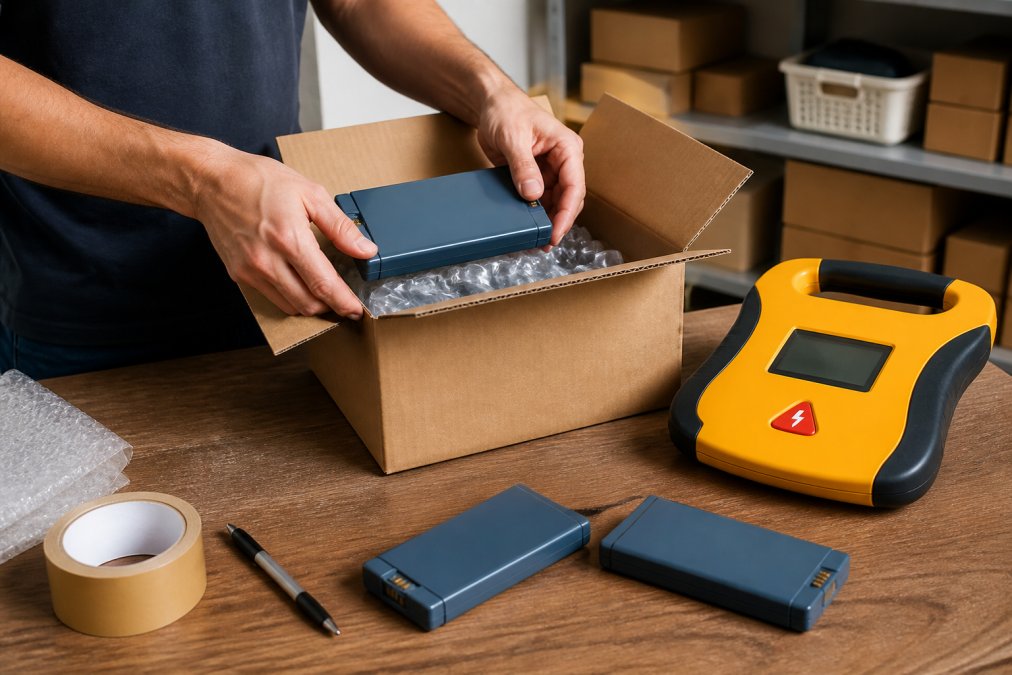
Lithium batteries used in AED units are classified as hazardous materials by the Department of Transportation, requiring special packaging, labeling, and carrier certification. These requirements don't prevent delivery but add processing steps that extend your timeline.
Hazmat packaging must meet specific Department of Transportation standards to prevent short circuits and include proper labeling. This adds 4-6 hours to order processing compared to standard packages.
Manufacturer Lead Time and Stock Availability
Manufacturer lead time is the period between when a distributor orders a battery and when it arrives at their warehouse. Major AED manufacturers typically maintain 4-6 week lead times for standard models. Smaller manufacturers or specialty batteries can have 8-12 week lead times.
The manufacturer lead time you experience depends entirely on whether your supplier has stock on hand. If they do, you get the short shipping timeline. If they don't, you inherit their manufacturer's lead time. Ordering from suppliers with strong inventory management matters more than chasing the lowest price.
How to Check AED Battery Status Before Ordering
Understanding Install Before Dates and Shelf Life
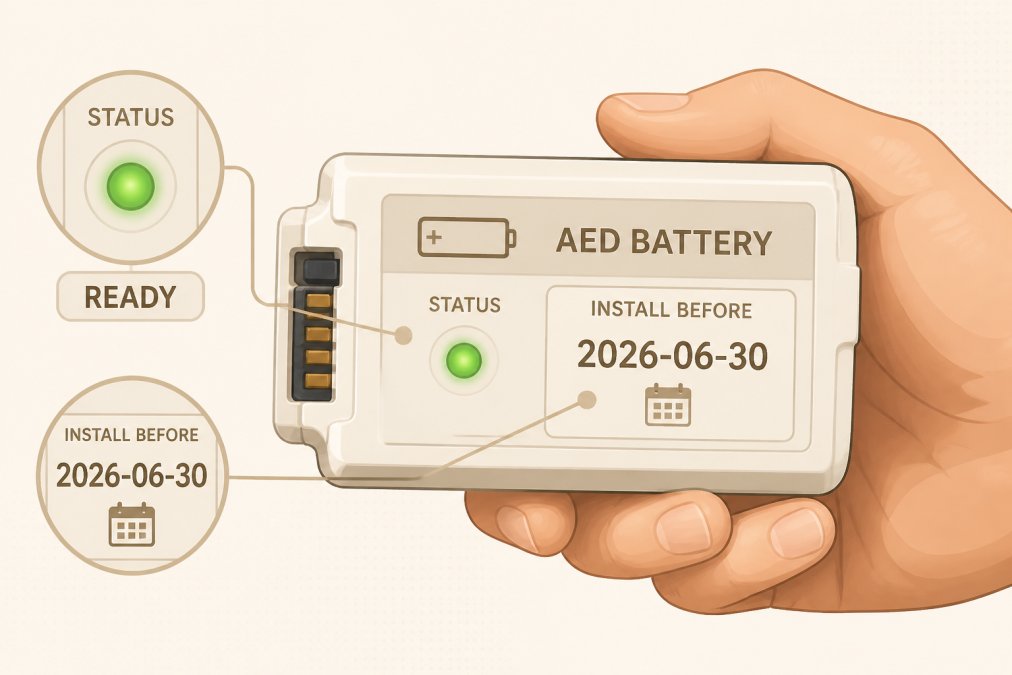
The install before date printed on your AED battery is the manufacturer's deadline for putting that battery into service. This differs from a standard expiration date. A battery with an install before date of December 2027 is still good to use today, but the manufacturer guarantees performance only if you install it before that date.
Shelf life for AED batteries typically ranges from 3-5 years from the manufacturing date. Lithium batteries maintain their charge better during storage than alkaline alternatives. Checking your current battery's install before date is straightforward: look at the label on your existing battery. If the date has passed, your battery is overdue for replacement. If you have less than 3 months, consider expedited delivery to avoid being caught with an expired battery during a compliance audit.
Reading the Readiness Indicator and Self-Test Results
Modern AED units include a readiness indicator light showing whether your battery has sufficient charge. A green light means the battery is ready. A yellow or red light means the battery is degraded or depleted and needs replacement immediately.
Most facilities perform monthly or quarterly self-tests on their AED units as part of emergency preparedness protocols. These self-tests reveal battery status before an actual emergency occurs. Some AED units display battery voltage numerically during self-tests. A voltage reading of 8.0V or higher typically indicates a healthy battery. Readings below 7.5V suggest the battery should be replaced within the next month.
AED Battery Replacement Cost by Brand and Type
Pricing Factors: Lithium vs. Standard Batteries
Lithium batteries cost more upfront than alkaline alternatives but offer superior shelf life and more reliable performance. The price premium reflects the chemistry difference: lithium batteries maintain their voltage more consistently over time, which is critical for life-safety equipment.
Brand reputation also affects pricing. Batteries from established AED manufacturers command higher prices than generic replacements because they've been tested extensively with specific AED models. Premium brands typically cost 20-40% more than budget alternatives, reflecting manufacturing standards, testing rigor, and warranty coverage.
Volume Discounts for Fleet and Commercial Orders
Facilities managing multiple AED units can negotiate volume discounts that reduce per-unit costs substantially. A single battery might cost $80-120, but ordering 10 batteries for a commercial facility often drops the per-unit cost to $60-90 when volume pricing applies.
The volume discount threshold varies by supplier. Some offer tiered pricing starting at 5 units, while others require 10+ units. Bigtime Battery provides volume pricing for commercial customers and fleet orders.
Emergency vs. Routine Shipping: When to Expedite
Next-Day Air and Expedited Delivery Options
Next-day air shipping guarantees delivery within 24 business hours of order processing, typically adding $30-60 to your order. Two-to-three day expedited options cost less than next-day air but still get your battery within a few days.
The decision to expedite depends on your readiness status. If your current battery's readiness indicator is already yellow or red, expedited shipping makes sense. If you're planning ahead and your current battery still has several months before the install before date, standard shipping is fine.
Facilities with multiple AED units can sometimes avoid expedited shipping by rotating batteries. If one unit's battery is degraded, you can temporarily move a fresh battery from another unit while you order a replacement for standard shipping.
Tracking Your Order and Troubleshooting Delays
Once your order ships, tracking information tells you exactly where your battery is in the delivery pipeline. Most carriers provide real-time tracking that updates every few hours.
Delays happen occasionally despite everyone's best efforts. Weather disruptions, carrier bottlenecks, or address issues can push your delivery window back by a day or two. If your tracking shows your battery is delayed, contact your supplier's customer service immediately. They can sometimes expedite the package to a faster carrier or provide a replacement battery via next-day air.

AED Battery Maintenance and Replacement Schedule
Battery Lifespan and When to Replace
Most lithium batteries used in AED units last 3-5 years from the manufacturing date. The install before date tells you the manufacturer's deadline for putting it into service. Once that date passes, the battery is officially expired and should be replaced immediately, even if it still powers on.
Some facilities replace batteries on a calendar schedule regardless of the install before date, treating it as preventive maintenance. This approach adds cost but eliminates the risk of a battery failing at a critical moment. The readiness indicator on your AED unit provides real-time feedback on battery status. If it shows yellow or red, replace the battery immediately.
Compliance and Safety Standards for Replacement Cycles
The American Heart Association recommends checking AED battery status at least monthly as part of facility emergency preparedness protocols. OSHA guidelines recommend maintaining AED units in full working condition, which includes ensuring batteries haven't exceeded their install before dates.
Documenting your battery replacements creates a maintenance record that demonstrates compliance. Keep receipts and installation dates, noting the install before date of the battery you installed. This documentation protects you if questions arise about whether your facility was maintaining its emergency equipment properly.
When your AED battery approaches its replacement deadline, you're maintaining the reliability of life-saving equipment. Bigtime Battery provides high-quality replacement batteries and competitive pricing for medical devices. Order your replacement battery today and ensure your emergency preparedness stays intact. For volume orders or questions about battery specifications for your specific AED model, contact Bigtime Battery directly.
| Shipping Method | Processing Time | Delivery Window | Best For |
|---|---|---|---|
| Standard Ground | 2-4 hours | 5-7 business days | Planned replacements with advance notice |
| Expedited (2-3 day) | 2-4 hours | 2-3 business days | Time-sensitive orders without emergency status |
| Next-Day Air | 2-4 hours | 24 business hours | Urgent replacements with degraded batteries |
| Phone Order | Same-day | 1-2 days faster than online | Emergency situations requiring immediate action |
According to American Heart Association guidelines on AED maintenance, regular battery status checks prevent emergencies caused by equipment failure. Understanding your AED battery replacement shipping times means you can plan ahead for routine replacements and respond quickly when batteries degrade unexpectedly.
By understanding how order processing, inventory status, and hazmat regulations affect your timeline, you can make informed decisions about whether standard shipping makes sense or whether expedited delivery is worth the premium. Most replacements succeed with standard ground shipping when ordered with advance notice, but having options available for true emergencies ensures your facility never operates with degraded backup power.
Research from OSHA workplace safety standards emphasizes that facilities must maintain emergency equipment in working condition, including ensuring AED batteries haven't exceeded their install before dates. Tracking your battery's install before date and checking the readiness indicator monthly keeps you ahead of replacement needs. Whether you're managing a single AED unit or maintaining equipment across a commercial facility, Department of Transportation hazmat regulations ensure that your battery arrives safely and on schedule.
Frequently Asked Questions
How long does AED battery replacement shipping typically take?
AED battery replacement shipping times depend on your delivery method. Standard ground shipping usually takes 5-7 business days from order processing, while expedited delivery options like next-day air can arrive within 24 hours. Order processing typically adds 1-2 business days before your shipment ships. For emergency preparedness, always check real-time inventory status and choose expedited delivery to avoid backorder delays.
Are AED batteries considered hazardous materials for shipping?
Yes, AED batteries are classified as hazardous materials for shipping purposes. Lithium batteries in particular require compliance with Department of Transportation (DOT) regulations and International Air Transport Association (IATA) rules. This means shipping costs may be higher, certain carriers have restrictions, and ground shipping may be required for larger quantities. Reputable suppliers like Bigtime Battery handle all hazmat compliance, so you don't have to worry about regulatory violations.
How do I check my AED battery status to know if I need a replacement?
Check your AED battery status by looking for the readiness indicator light on your unit, which shows green when the battery is functional. Review the install before date on the battery label, this indicates when the battery expires. Run your AED's self-test function monthly, which automatically checks battery voltage and performance. If the readiness indicator turns red, the self-test fails, or you've exceeded the install before date, order a replacement immediately to maintain compliance and emergency preparedness.
What affects AED battery replacement costs?
AED battery replacement costs vary by brand, battery type (lithium vs. standard), and order quantity. Lithium batteries typically cost more upfront but offer longer shelf life and better performance. Bulk orders for fleet or commercial applications often qualify for volume discounts. Pricing also depends on your delivery speed choice, expedited shipping adds cost. For current pricing and volume discount availability, contact Bigtime Battery directly for a quote tailored to your specific needs.