 listicle
Sealed Lead Acid Batteries: Types, Uses & Best Practices
Table of Contents
- What Are Sealed Lead Acid Batteries?
- AGM vs. Gel Technology: Key Differences
- Top Sealed Lead Acid Battery Options
- SLA Battery Charging Best Practices
- Sealed Lead Acid Battery Lifespan and Cycle Life
- How to Test a Sealed Lead Acid Battery
- Common Applications and Use Cases
- Environmental Impact and Recycling
- Frequently Asked Questions
Last Updated: August 20, 2026
What Are Sealed Lead Acid Batteries?
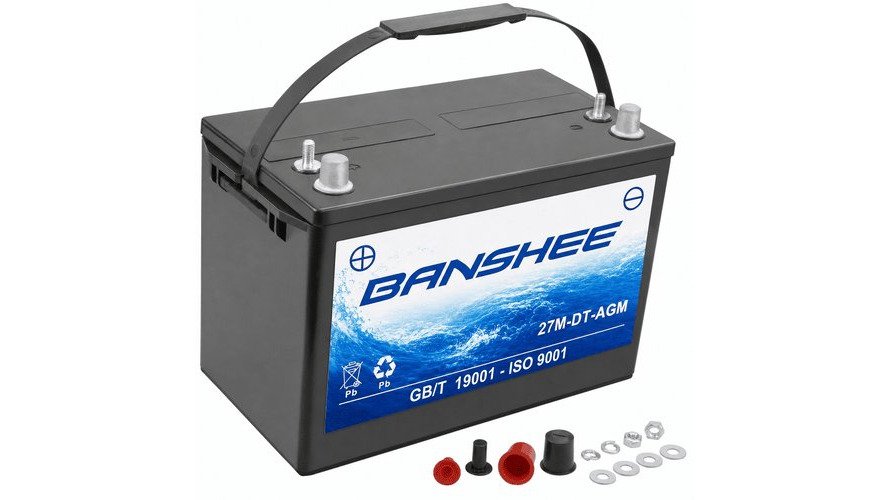
Sealed lead acid batteries are rechargeable power sources using lead plates and sulfuric acid electrolyte in a sealed, non-spillable case with valve-regulated designs that prevent leakage while allowing pressure relief. Unlike flooded lead-acid batteries, they require no water top-ups and mount in any position without spill risk.
The market for sealed lead acid batteries continues expanding. According to the U.S. Lead Acid Battery Market analysis, the domestic market reached USD 14.2 billion in 2025 and is projected to grow to USD 23.4 billion by 2034, exhibiting a compound annual growth rate of 5.56% from 2026-2034. These batteries excel in backup power, emergency lighting, uninterruptible power supplies (UPS), and deep-cycle applications where reliability matters.
The construction uses absorbed glass mat (AGM) technology or gel electrolyte, both immobilizing acid and preventing spillage. The 99% recycling rate of lead-acid batteries represents the highest recovery rate among consumer products, according to the Battery Council International sustainability report. Over 85% of recycled lead supports new battery manufacturing, creating a circular economy benefiting manufacturers and the environment.
AGM vs. Gel Technology: Key Differences
Absorbed Glass Mat (AGM) technology dominates the sealed lead acid battery market. VRLA units captured 64.3% of the North American lead acid battery market in 2025, with AGM representing the majority due to superior discharge rates and faster recharge cycles. AGM batteries use fiberglass mats between lead plates to absorb and suspend electrolyte, creating a maintenance-free design tolerating vibration and shock exceptionally well.
Gel batteries use silica-based gel to immobilize electrolyte, offering deeper discharge tolerance, longer float life in standby applications, and superior temperature stability. However, gel batteries charge more slowly and require precise voltage regulation; overcharging permanently reduces capacity.
AGM batteries excel in high-discharge applications like engine starting and power tools. Gel batteries perform better in slow-discharge, long-duration applications like backup power for security systems. AGM batteries typically cost 15-25% less than equivalent gel designs.
Temperature sensitivity differs between the two. AGM batteries maintain performance from -4°F to 140°F (-20°C to 60°C). Gel batteries prefer stable, moderate temperatures and lose capacity faster in extreme cold.
Top Sealed Lead Acid Battery Options
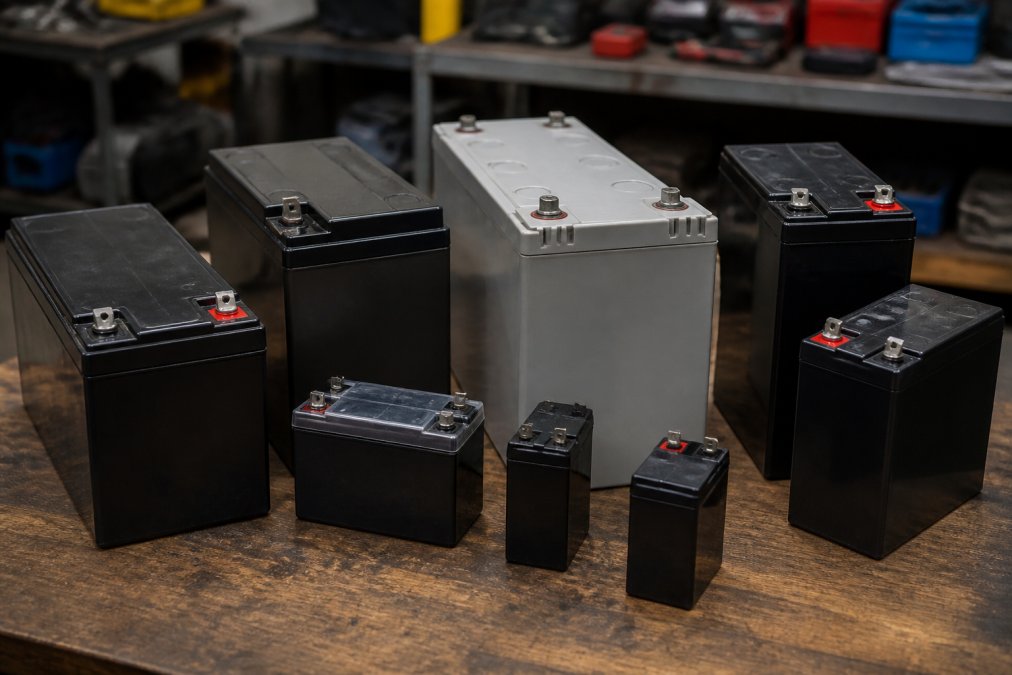
The sealed lead acid battery market offers distinct options for different needs. Starting-lighting-ignition (SLI) batteries delivered 55.9% of North American lead-acid battery market revenue in 2025, reflecting strong demand in automotive and powersports applications.
High-Capacity Deep Cycle Solutions
The Renogy 12V 100Ah Deep Cycle AGM Battery delivers 1100A surge capacity while maintaining a 3% monthly self-discharge rate, critical for systems sitting unused for extended periods. The maintenance-free AGM design operates from -4°F to 140°F, accommodating indoor and outdoor installations. Deep-cycle capability means you can discharge to 50% capacity repeatedly without accelerating degradation, ideal for solar installations and backup power systems.
The WEIZE 12V 100Ah Deep Cycle AGM Battery offers similar capacity with affordability focus, fitting applications from electric vehicles and golf carts to commercial backup systems.
Universal Power Group's UB12750 Group 24 12V 75Ah AGM Battery bridges portable and stationary applications. Approved for air transport under DOT, IATA, and ICAO regulations, this battery suits mobility devices, renewable energy systems, and marine equipment.
Compact and Affordable Models
The Yuasa NP7-12 12V 7Ah Rechargeable SLA Battery exemplifies compact, maintenance-free power for fire and security systems. At $32.84, it delivers reliable backup for alarm systems, UPS units, emergency lighting, and CCTV equipment. Non-spillable construction allows mounting in multiple positions.
ExpertPower's EXP1250 12V 5Ah Rechargeable SLA Battery targets budget-conscious users needing compatible replacements.
The Mighty Max Battery ML10-12 12V 10Ah SLA Battery occupies the sweet spot between capacity and portability, providing heavy-duty performance across consumer electronics, small electric vehicles, and engine starters.
Premium Performance Batteries
The Optima YellowTop Deep Cycle Battery represents the premium tier. SPIRALCELL Technology uses wound lead plates instead of traditional flat plates, delivering superior cranking power and cycling capability. This battery offers up to 3x longer service life and 15x better vibration resistance than conventional batteries. At $369.99, the premium pricing reflects genuine performance advantages for demanding applications.
The CSB HR1290WFR 12V 23AH High-Rate AGM Battery targets applications requiring rapid discharge capability for UPS systems and emergency lighting.
Bigtime Battery stocks comprehensive sealed lead acid battery selections spanning all performance tiers. Whether you need compact replacements for alarm systems, high-capacity deep-cycle power for renewable energy, or premium performance for demanding automotive applications, our one-stop shop carries matching options. Pricing depends on quantity, dates, and delivery. Please visit our website for current prices or a quote.
| Battery Type | Capacity | Best For | Starting Price | Key Feature |
|---|---|---|---|---|
| Renogy 12V 100Ah AGM | 100Ah | Renewable energy, off-grid systems | $210.39 | 3% monthly self-discharge |
| WEIZE 12V 100Ah AGM | 100Ah | Golf carts, electric vehicles | $144.39 | Affordable deep-cycle option |
| Yuasa NP7-12 | 7Ah | Fire/security systems, UPS | $32.84 | Float-optimized design |
| ExpertPower EXP1250 | 5Ah | Alarm systems, emergency lighting | $17.99 | Budget-friendly, compatible |
| Optima YellowTop | Varies | Custom audio, winches | $260.31 | SPIRALCELL technology |
SLA Battery Charging Best Practices
Proper charging extends sealed lead acid battery lifespan dramatically. Most perform best with constant-voltage charging, where voltage remains fixed while current tapers as the battery approaches full charge. Set your charger to 13.8 volts for 12V batteries as the float voltage, the level maintained during long-term standby operation.
Temperature compensation matters significantly. Sealed lead acid batteries lose efficiency in cold conditions and charge faster when warm. Sophisticated chargers include temperature sensors adjusting voltage setpoints based on ambient conditions, extending battery life by 20-30% compared to fixed-voltage approaches.
Most sealed lead acid batteries reach full charge within 8-16 hours using standard chargers. Fast chargers reduce this to 2-4 hours but generate more heat, potentially reducing lifespan if used repeatedly.
Float charging applies when sealed lead acid batteries remain connected to chargers long-term, as in UPS systems or emergency lighting. Proper float voltage prevents sulfation, the accumulation of lead sulfate crystals that permanently reduces capacity. Maintain float voltage at 13.5-13.8 volts.
Equalization, a controlled overcharging process used on flooded batteries, should never be applied to sealed lead acid batteries. The sealed design cannot vent hydrogen gas safely, creating pressure and potential rupture risk.
Sealed Lead Acid Battery Lifespan and Cycle Life
Sealed lead acid battery lifespan depends critically on discharge depth and charge cycles. A battery discharged to 50% capacity repeatedly may last 800-1000 cycles, while shallow discharges of 20% extend cycle life to 2000+ cycles. Most maintain 80% of rated capacity after 500-1000 full discharge cycles under ideal conditions. Real-world lifespan typically ranges from 3-5 years for regularly cycled batteries in moderate temperature environments.
Temperature accelerates aging significantly. For every 15°F increase above 77°F (25°C), sealed lead acid battery lifespan decreases by approximately 50%. Cool conditions extend lifespan proportionally.
Overcharging and deep discharge both reduce cycle life. Keeping sealed lead acid batteries between 20% and 80% state of charge maximizes longevity. The calendar life typically limits lifespan to 10-12 years maximum, after which internal chemical changes reduce performance regardless of usage patterns.
How to Test a Sealed Lead Acid Battery
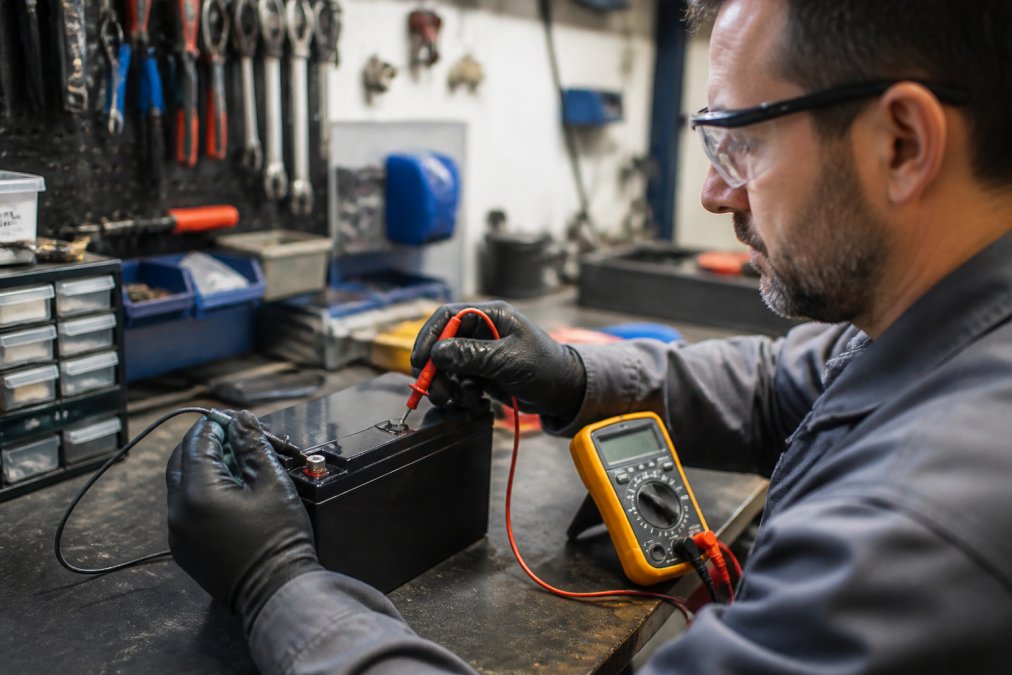
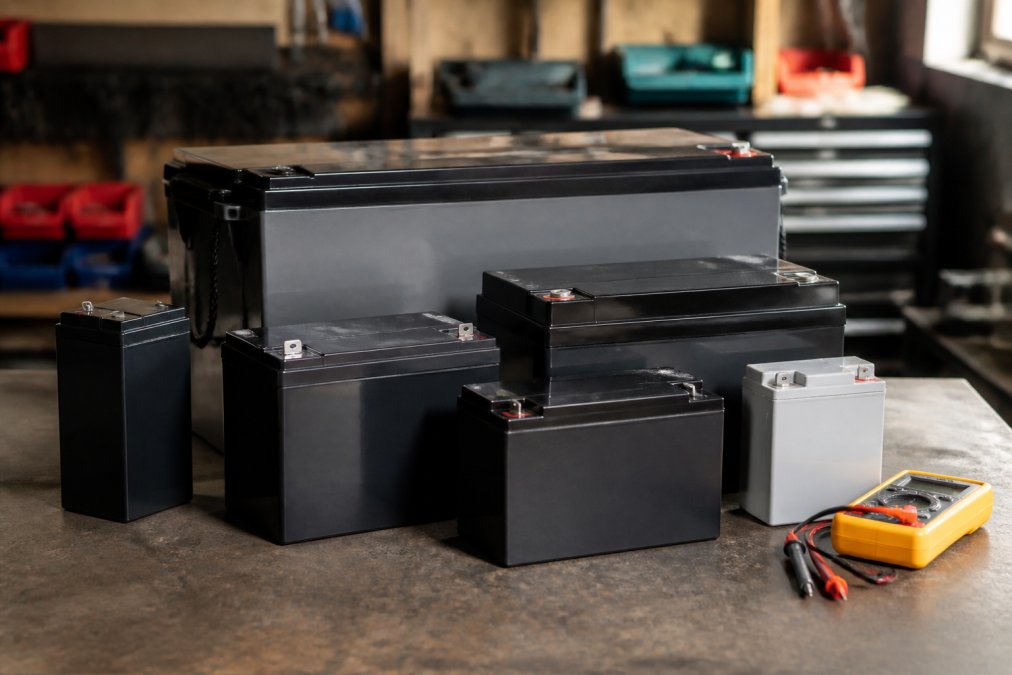
Testing sealed lead acid batteries requires proper technique. A digital multimeter provides the first diagnostic tool. Measure voltage across the positive and negative terminals with the battery disconnected from any load. A healthy 12V sealed lead acid battery should read between 12.6-13.2 volts when fully charged and at rest.
Load testing applies a controlled discharge to measure how voltage responds. Connect a load drawing approximately 50% of the battery's rated amp-hour capacity for 15 seconds. Healthy batteries maintain voltage above 10.5 volts during this test. Voltage dropping below 9.6 volts indicates capacity loss or internal resistance problems.
Internal resistance testing offers more precise diagnostics. Specialized battery analyzers measure the resistance inside the battery, which increases as it ages or develops faults. A resistance reading above 50 milliohms typically indicates replacement is needed.
Common Applications and Use Cases
Emergency lighting systems in commercial buildings depend on sealed lead acid batteries for safety code compliance. These batteries remain charged and ready to illuminate exit routes when power fails, requiring reliable float charging and long standby life.
Uninterruptible power supply (UPS) systems protect computer networks and medical equipment from data loss during power interruptions. Sealed lead acid batteries provide bridge power keeping systems running while backup generators start. Healthcare facilities, financial institutions, and data centers depend on these batteries for operational continuity.
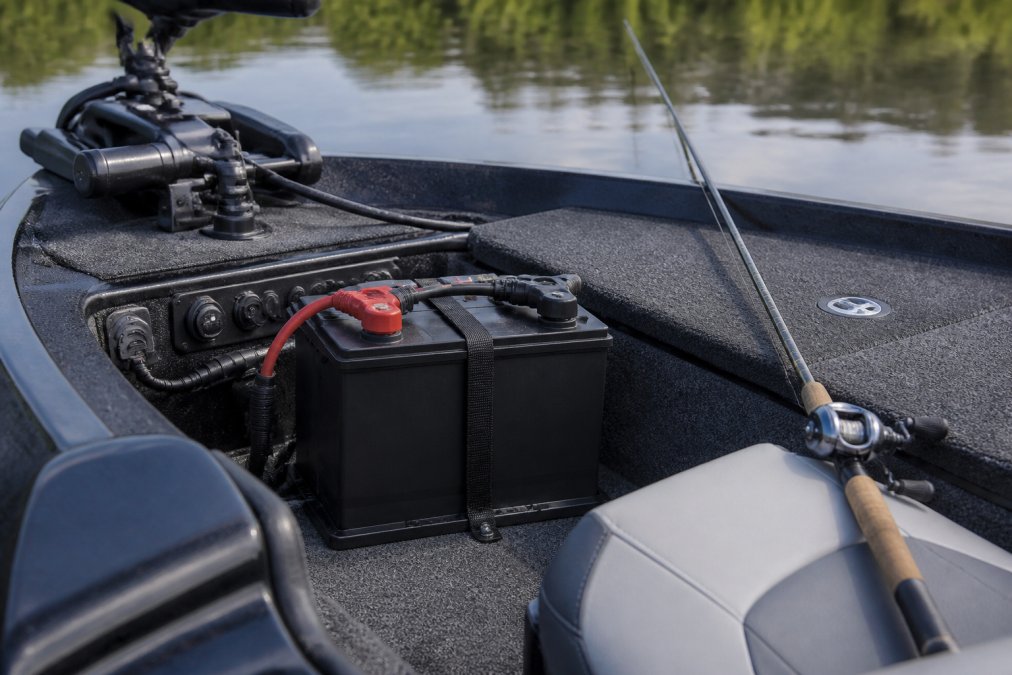
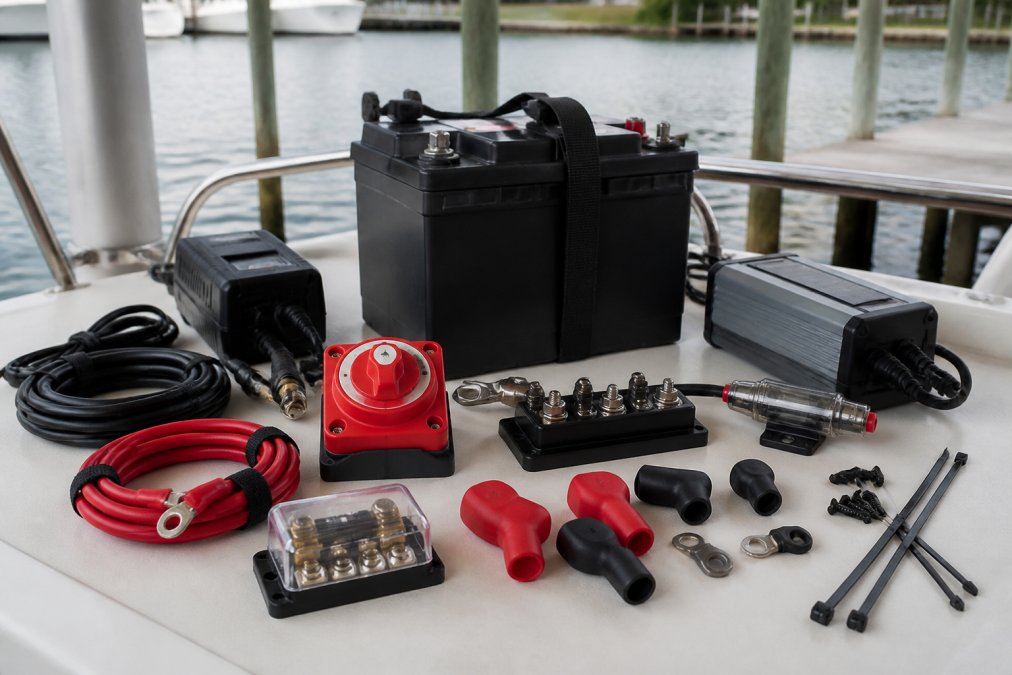
Marine and RV applications demand sealed lead acid batteries tolerating vibration, salt spray, and temperature extremes. Deep-cycle sealed lead acid batteries power auxiliary systems while main engine batteries handle starting duties.
Golf cart and electric vehicle applications consume significant sealed lead acid battery volumes. These vehicles require deep-cycle batteries tolerating repeated discharge and recharge cycles. According to industry data, the industrial segment anticipated to dominate the lead acid battery market with a 51.12% market share in 2026, supported by rising demand for backup power solutions in manufacturing and infrastructure.
Security and fire alarm systems rely on sealed lead acid batteries as backup power. These systems must function during power outages to maintain protection and alert emergency services.
Renewable energy systems increasingly incorporate sealed lead acid batteries for off-grid power storage. Solar installations in remote locations use these batteries to store daytime generation for nighttime use.
Environmental Impact and Recycling
The environmental profile of sealed lead acid batteries reflects both manufacturing concerns and exceptional end-of-life recovery. The industry's 99% recycling rate, the highest among consumer products, creates a circular economy minimizing virgin material demand. According to the Battery Council International 2024 sustainability analysis, over 85% of recycled lead supports domestic battery production, reducing new mining operations.
The recycling process recovers both lead and plastic components. Lead undergoes smelting and purification, then returns to battery manufacturing. Plastic cases are sorted, shredded, and reused in new battery construction or other products.
Sulfuric acid presents the primary environmental concern during manufacturing and improper disposal. Sealed designs minimize exposure risks compared to flooded batteries.
The Department of Energy and Battery Council International collaboration demonstrates commitment to advancing lead battery technology. The Consortium for Lead Battery Leadership in Long Duration Energy Storage received USD 5 Million in funding to enhance performance, targeting 10+ hours of storage and USD 0.05/kWh levelized cost of storage by 2030.
Transportation and storage of sealed lead acid batteries requires hazardous materials regulation compliance. The non-spillable design qualifies these batteries for safe air transport under DOT, IATA, and ICAO certifications.
Consumers and businesses should return used sealed lead acid batteries to retailers or recyclers rather than regular waste streams. Most battery retailers accept old batteries when customers purchase replacements. Mail-back programs and battery recyclers provide alternatives when local retail options aren't available.
Sealed lead acid batteries solve real problems for applications where reliability, cost-effectiveness, and maintenance-free operation matter. Whether managing emergency lighting compliance, powering backup systems, or storing renewable energy, the right sealed lead acid battery delivers years of dependable service. Bigtime Battery carries comprehensive sealed lead acid battery options, from compact 5Ah models for alarm systems to powerful 100Ah deep-cycle units for renewable energy. Our team helps identify the exact battery your application requires, and competitive pricing ensures reliable power without overpaying. Browse our selection today and discover why thousands of marine business owners, property managers, and equipment operators trust Bigtime Battery for their sealed lead acid battery needs.
Frequently Asked Questions
What is the difference between a sealed lead acid battery and a regular lead acid battery?
Sealed lead acid batteries are valve-regulated and maintenance-free, preventing electrolyte leakage and eliminating the need to add water. Regular flooded lead acid batteries require periodic maintenance and ventilation. Sealed lead acid batteries use absorbed glass mat (AGM) or gel technology to immobilize the electrolyte, making them safer for enclosed spaces and multiple mounting positions. The U.S. lead acid battery industry maintains a 99% recycling rate, the highest among consumer products.
How long do sealed lead acid batteries typically last?
Sealed lead acid battery lifespan typically ranges from 3 to 5 years under normal usage conditions. Factors affecting longevity include temperature exposure, charging practices, discharge depth, and cycle frequency. Extreme temperatures, overcharging, or deep discharges can significantly reduce lifespan. For standby applications, design life can extend up to 5 years. Proper maintenance and charging practices help maximize the usable life of your battery.
What is the best way to charge a sealed lead acid battery?
SLA battery charging best practices involve using a charger rated for sealed lead acid batteries with a three-stage charging profile: bulk, absorption, and float. Maintain charging voltage between 13.8V and 14.4V for 12V batteries. Avoid overcharging, which generates heat and reduces lifespan. Use float charging for standby applications, maintaining the battery at full charge without excessive current. Charge in well-ventilated areas and monitor temperature during charging. Most modern chargers include automatic cutoff to prevent overcharging.
Can sealed lead acid batteries be mounted in any position?
Yes, sealed lead acid batteries can be mounted in virtually any position due to their valve-regulated design and absorbed glass mat construction. This non-spillable design prevents electrolyte leakage regardless of orientation, making them ideal for confined spaces, mobile equipment, and applications where mounting flexibility is critical. However, always verify the manufacturer's specifications for your specific battery model to ensure proper ventilation and performance.
How do I know which sealed lead acid battery is right for my application?
Determine your power requirements by calculating voltage (12V, 24V, etc.) and amp-hour capacity needed. For standby applications like UPS systems, choose lower-discharge batteries; for deep cycle uses like golf carts and marine equipment, select batteries rated for repeated discharge. Consider terminal type compatibility, physical dimensions, and whether you need maintenance-free operation. Consult your device manual or contact Bigtime Battery's customer service for identification assistance if your old battery label is worn or illegible.