 how-to guide
Return Policy for Dead Batteries: A Complete Guide
Table of Contents
- Understanding Return Policy for Dead Batteries
- Return Windows and Timeframes for Dead Batteries
- Proof of Purchase for Battery Return
- Car Battery Warranty Explained
- Auto Parts Store Battery Return Policy
- Car Battery Core Charge Refund
- Step-by-Step: Returning Different Battery Types
- Condition Requirements and Inspection Standards
- Frequently Asked Questions
Last Updated: July 31, 2026
Understanding Return Policy for Dead Batteries
When a battery fails to hold a charge, understanding your return policy becomes critical. A return policy for dead batteries differs from standard merchandise returns because batteries involve safety concerns, environmental regulations, and questions about whether failure stems from manufacturing defect or customer misuse. This guide walks you through what to expect, what documentation you'll need, and how to handle edge cases where a battery dies outside the standard return window but within warranty coverage.
Dead vs. Defective: What's the Difference?
A dead battery no longer holds a charge and cannot be revived through normal charging cycles. A defective battery fails to meet manufacturer specifications due to a manufacturing flaw within the product's expected lifespan. This distinction matters because defective batteries often qualify for warranty replacement even outside the standard return window, while dead batteries may not. A battery that dies after two years of normal use might be considered "end of life" rather than defective, while one that dies within 30 days of purchase typically qualifies as defective and triggers manufacturer warranty coverage.
Why Return Policies Vary by Retailer and Battery Type
Return policies for dead batteries aren't standardized across the industry. Lead-acid batteries are hazardous materials subject to EPA regulations and state-specific recycling laws. Lithium-ion batteries carry fire and explosion risks if damaged. Each type requires different storage, shipping, and disposal procedures, which directly impacts what a retailer can accept for return. Big-box auto parts stores with physical locations can inspect batteries in-store and handle core charges immediately, while online retailers must manage shipping hazardous materials, increasing costs and complexity.
Return Windows and Timeframes for Dead Batteries
The return window for a dead battery is the period during which the retailer will accept the battery back for a full refund or exchange. Most retailers set this window between 30 and 90 days from the date of purchase.
Standard Return Windows Explained
A typical return window for a dead battery runs 30 to 60 days from the purchase date. This timeframe allows customers time to discover defects while remaining short enough to limit retailer liability for normal wear and tear. The clock starts on the date of purchase, not the date you discover the battery is dead. Automotive retailers often tie their return windows to core charge policies, with both the return window for the new battery and the deadline for returning the core typically set at 30 to 60 days.
Returns Outside the Window: Warranty vs. Return Policy
If your battery dies outside the return window but within the warranty period, you're filing a warranty claim, not returning it. A return policy is the retailer's promise to accept merchandise back within a set timeframe, while a warranty is the manufacturer's promise that the product will perform as intended for a specified period. Warranty periods typically extend much longer than return windows. A car battery might have a 3-year full warranty and a 5-year pro-rated warranty, covering dead batteries even after the 30-60 day return window closes.
Proof of Purchase for Battery Return
Retailers require proof of purchase before they'll accept a dead battery for return. This protects them from fraud and helps verify warranty coverage.
What Documentation You'll Need
The gold standard for proof of purchase is the original receipt or invoice, showing the purchase date, product purchased, price paid, and retailer's name. For online purchases, a digital receipt from your email or account history is acceptable. The receipt must show the battery's specific product code or model number.
For online purchases, your order confirmation email serves as proof of purchase and should include the order number, purchase date, product description, and price. Without a receipt, request a copy from your credit card company, which typically retains purchase records for 7 years.
| Proof of Purchase Type | Acceptable | Notes |
|---|---|---|
| Original receipt | Yes | Best option; shows date, product, price |
| Order confirmation email | Yes | For online purchases; print or save |
| Credit card statement alone | No | Must be paired with order confirmation |
| Packaging/barcode | Partial | Acceptable if combined with other documentation |
| No documentation | Maybe | Possible, but may limit refund options |
Car Battery Warranty Explained
A car battery warranty is the manufacturer's guarantee that the battery will function properly for a specified period. Most car batteries come with a full warranty period followed by a pro-rated period. During the full warranty period (typically 3 years), the manufacturer replaces a dead battery at no cost. During the pro-rated period (typically years 3-5), the manufacturer calculates a replacement cost based on remaining warranty period.
Warranty Coverage vs. Return Policy
The return policy is the retailer's agreement to accept the battery back within 30-60 days. The warranty is the manufacturer's agreement that the battery will work as intended for a longer period, often 3-5 years. Warranty coverage applies regardless of where you purchased the battery, as long as you have proof of purchase.
What Voids Your Battery Warranty
Physical damage voids the warranty. If the battery casing is cracked, terminals are bent or corroded due to impact, or the battery shows signs of being dropped or crushed, the manufacturer will deny the warranty claim. Improper installation, modification, or attempted repair also voids the warranty. A battery that dies due to customer misuse rather than a defect may result in a denied claim.
Auto Parts Store Battery Return Policy
Major auto parts retailers have standardized return policies for batteries, though specific details vary.
In-Store vs. Mail-In Returns
In-store returns are the fastest option if you purchased the battery from a physical location. You bring the dead battery back with your receipt, staff inspect it, verify it's within the return window, and process the return immediately. Mail-in returns are necessary for online purchases. Request a return authorization number (RMA), pack the battery securely in a shipping box with hazmat labeling, and pay for return shipping. Mail-in returns take 2-3 weeks or longer from shipment to refund.
Refund Methods and Processing Times
Refunds are typically processed in the original payment method. If you paid with a credit card, the refund appears as a credit within 3-5 business days after the retailer processes it. Some retailers offer faster refunds if you accept store credit instead of a cash refund. Processing times vary by retailer, with some processing refunds within 24 hours of receiving and inspecting the returned battery, while others take up to 10 business days.
Car Battery Core Charge Refund
A core charge is a deposit you pay when purchasing a car battery, refunded when you return the old battery. This charge typically ranges from $10 to $25 and covers the cost of recycling hazardous materials.
Understanding Core Charges
When you buy a car battery, the retailer charges you a core charge in addition to the battery price. For example, a $150 battery might cost $170 at checkout because of a $20 core charge. The core charge is refundable when you return the old battery.
How to Claim Your Core Charge Refund
To claim your core charge refund, bring the old battery to the retailer where you purchased the new one. The old battery doesn't need to be in working condition but must be in one piece with terminals intact. The retailer will verify the battery and process the refund at the point of sale. If you don't have the old battery when you purchase the new one, most retailers will honor the core charge refund if you return it within 30 to 60 days.
Step-by-Step: Returning Different Battery Types
The return process varies depending on the battery type. Car batteries, household batteries, and specialty batteries have different handling requirements and return procedures.
Returning a Dead Car Battery
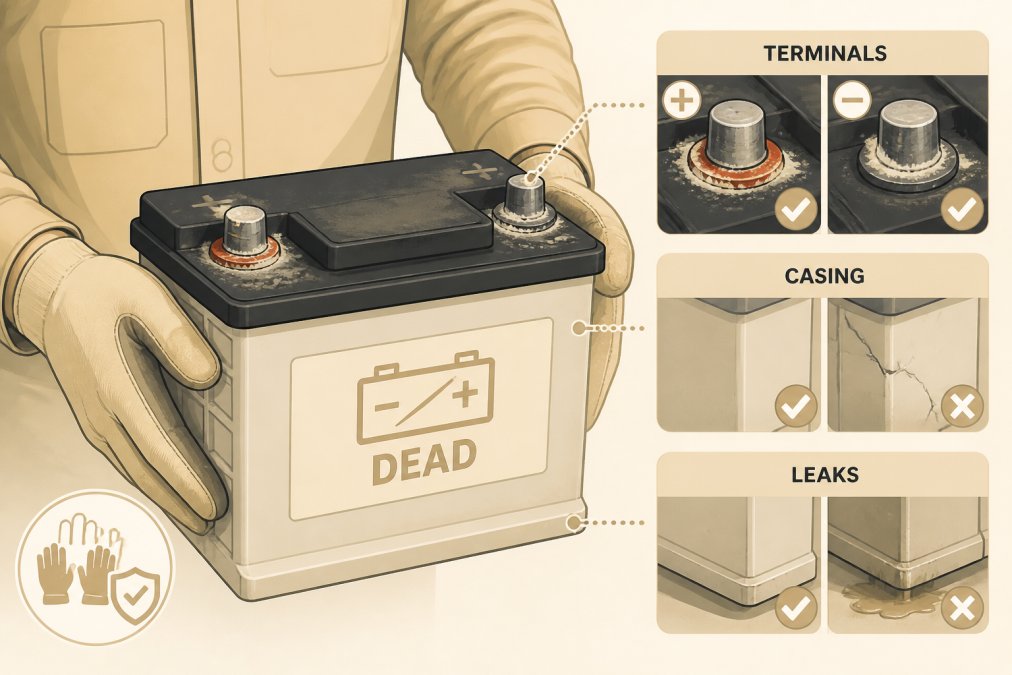
First, verify that your battery is within the return window by checking your receipt. If you're outside the return window, check the warranty period instead. Second, inspect the battery for physical damage, cracks, corrosion, or signs of mishandling. Third, gather your documentation, including your receipt or order confirmation email.
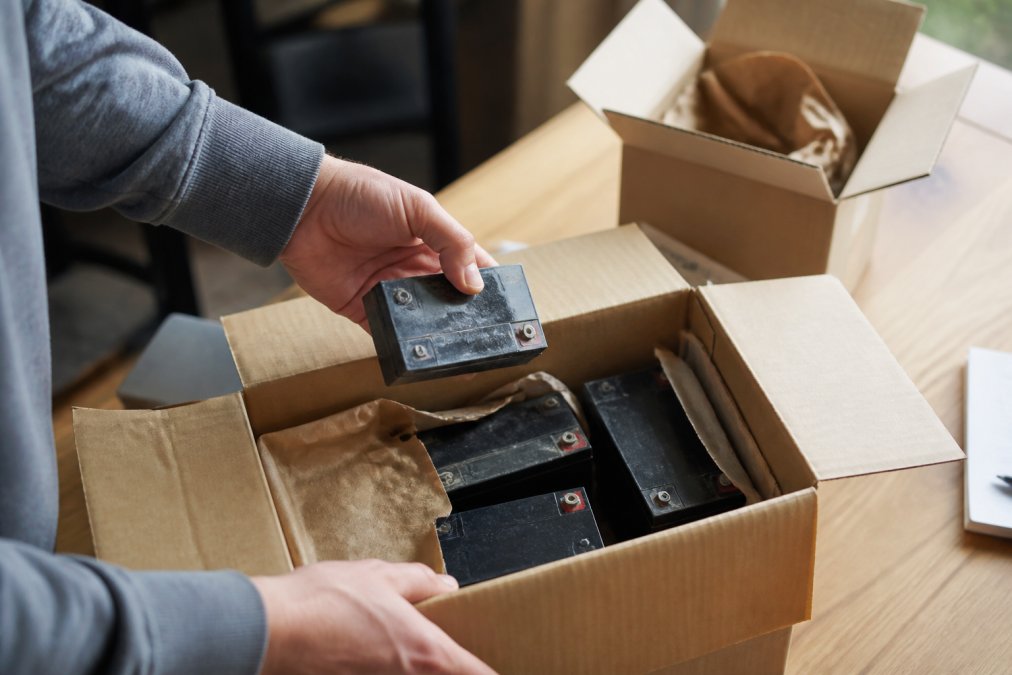
Fourth, transport the battery safely in a sturdy box or battery carrier. Fifth, return the battery to the retailer. If you purchased in-store, bring the battery and receipt to the same location. If you purchased online, request an RMA number and arrange for return shipping. Sixth, process the refund. In-store returns are refunded immediately, while online returns are refunded after inspection, typically within 5-10 business days of receipt.
Returning Household and Rechargeable Batteries
Most retailers do not accept returns of used household batteries, which are considered household hazardous waste. However, unopened or defective unopened batteries may be returnable within the standard return window. Rechargeable batteries have more stringent shipping restrictions due to fire risk. Contact your local waste management authority or visit Earth911.com to find a battery recycling program.
Returning Lead-Acid and Lithium-Ion Batteries
Lead-acid batteries follow the standard return procedure outlined above. Lithium-ion batteries have stricter return and shipping requirements due to fire risk. Many retailers will not accept mail-in returns. Contact the retailer or manufacturer directly for their specific return process.
Condition Requirements and Inspection Standards
Retailers inspect returned batteries to confirm they're returnable. The battery should show no signs of physical damage, no cracks, dents, corrosion, or leaks. For lead-acid batteries, terminals should be clean and undamaged. The battery must be in the condition you received it, minus normal use.
Testing Procedures and Inspection Outcomes
When you return a battery, the retailer tests it to confirm it's actually dead or defective. For car batteries, this typically involves a load test, which measures whether the battery can hold a charge and deliver current under load. A battery that fails the load test qualifies for return. If the battery passes the load test, the retailer will refuse the return. Ask the retailer to explain the results in writing, as this documentation is useful if you need to dispute a return rejection or file a warranty claim.
Navigating the return process for a dead battery doesn't have to be complicated. The key is understanding your retailer's specific policy, gathering the right documentation, and acting quickly within the return window. When you need replacement batteries for your vehicles, equipment, or systems, Bigtime Battery offers a wide selection of high-quality car batteries, marine batteries, and specialty batteries.
Frequently Asked Questions
Can I return a dead car battery without a receipt or proof of purchase?
Many retailers will accept returns of dead batteries without a receipt if you can verify the purchase through other means, such as a credit card statement or account history. However, your ability to claim a refund or exchange may be limited. Some stores offer store credit instead of a refund. Contact the retailer directly to understand their specific proof of purchase requirements, as policies vary significantly. Having documentation always strengthens your return claim.
What is the difference between a dead battery and a defective battery for return purposes?
A dead battery has lost its charge and cannot hold power, but may still be functional if recharged or replaced. A defective battery fails to hold a charge, perform as advertised, or has a manufacturing flaw. Defective batteries typically qualify for warranty claims beyond the standard return window, while dead batteries usually fall under the return policy. If a battery died shortly after purchase due to a manufacturing defect rather than user error, it may qualify under warranty even outside the return window.
What is a core charge, and how do I get my core charge refund?
A core charge is a deposit you pay when purchasing a new car battery, typically refunded when you return the old battery. This incentivizes proper recycling and environmental compliance. To claim your core charge refund, return the old battery in its original condition to the retailer where you purchased the replacement. The refund is usually applied immediately at the point of sale or credited back to your payment method within 5-10 business days, depending on the retailer's policy.
What happens if my battery dies outside the return window but within the warranty period?
If a battery dies outside the standard return window (typically 30-90 days) but within the manufacturer's warranty period (often 1-3 years for car batteries), you should file a warranty claim rather than attempt a return. Warranty claims require proof of purchase and evidence that the failure was due to a defect, not misuse or user error. Contact the manufacturer or retailer's customer service with your receipt and battery information to initiate the claim process. Warranty replacements may take longer than standard returns but protect you beyond the initial return period.