 how-to
Marine Battery Cold Weather Charging Tips
Table of Contents
- Why Marine Battery Cold Weather Charging Requires Special Attention
- Understanding Lithium Battery Cold Weather Charging Limits
- Lead-Acid and AGM Batteries in Cold Conditions
- Safe Temperature Ranges for Charging Marine Batteries
- Selecting the Best Trickle Charger for Marine Batteries
- Marine Battery Winter Storage Guide and Best Practices
- How to Warm Batteries Before Charging in Freezing Weather
- Emergency Recovery if Your Battery Freezes
- Frequently Asked Questions
Last Updated: August 27, 2026
Why Marine Battery Cold Weather Charging Requires Special Attention
Cold weather slows chemical reactions inside your battery dramatically. A fully charged lead-acid battery may not freeze until approximately -92°F, but a battery at 40% state of charge may freeze near 16°F (batteryuniversity.com). A good AGM battery may lose up to 30-40% of its capacity when temperatures drop to freezing (batteryuniversity.com).
What separates a properly maintained marine battery from one that fails in winter is knowing your battery chemistry, understanding temperature limits for charging each type, and using the right charger with temperature compensation.
Understanding Lithium Battery Cold Weather Charging Limits
Lithium iron phosphate batteries are lighter and faster-charging than lead-acid alternatives, but they have one critical weakness: you cannot safely charge them below 32°F.
Charging standard lithium iron phosphate batteries at or below 32°F causes lithium plating inside the cells, permanently reducing capacity and creating internal safety risks. At 0°C (32°F), LiFePO₄ capacity typically drops around 20-30%, and the reduction becomes more significant below freezing. A lithium battery will discharge in cold weather without major damage, but charging it in cold weather causes permanent harm.
How BMS Protection Works Below Freezing
A Battery Management System (BMS) is the electronic controller inside lithium batteries that monitors voltage, current, and temperature in real time. When you attempt to charge a lithium battery in freezing conditions, a properly designed BMS stops the charging process to prevent lithium plating.
Not all lithium batteries have equal cold-weather protection. Some manufacturers explicitly disable charging below 32°F with no exceptions. Others, like LiTime's cold weather series, use a BMS equipped with low-temperature charging protection that prevents charging if the internal temperature is too low, requiring the battery to be brought to a temperature above 25°F for recharging. Trust your BMS, if your lithium battery won't charge in cold weather, that's the system working correctly.
Lithium Plating and Permanent Capacity Loss
Lithium plating is the formation of metallic lithium on the battery's negative electrode during charging at low temperatures. This happens because lithium ions move more slowly through the electrolyte when it's cold and deposit as metal instead of intercalating into the electrode material.
Once plating occurs, those lithium deposits don't dissolve when the battery warms up. They physically block ion movement and reduce the battery's usable capacity forever. A battery that could deliver 200 amp-hours before plating might only deliver 150 amp-hours after. That's not recoverable.
Lead-Acid and AGM Batteries in Cold Conditions
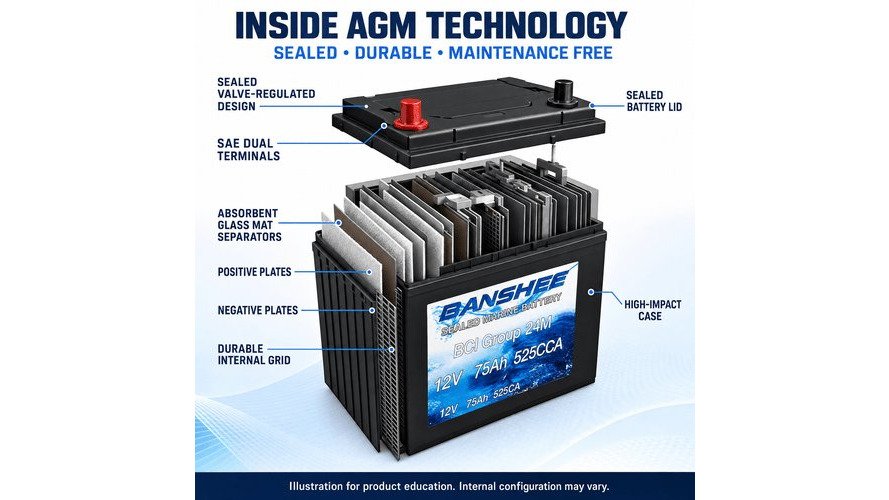
Lead-acid and AGM batteries won't suffer lithium plating, but they face a different threat: sulfation. Sulfation occurs when lead sulfate crystals form on the battery plates during storage at low charge states. Irreversible sulfation can begin within 30 days at a state of charge below 80% (batteryuniversity.com).
Lead-acid and AGM batteries lose capacity in cold but can still accept a charge. A standard charger designed for room temperature will overcharge these batteries in cold conditions if it lacks temperature compensation. Overcharging causes water loss, plate damage, and reduced lifespan.
AGM and gel batteries could lose as much as 76% of their capacity at -4°F (-20°C), but will regain full capacity once warmed up. This means your winter starting power is severely compromised, but the battery itself isn't permanently damaged if you manage it correctly.
Safe Temperature Ranges for Charging Marine Batteries
Temperature ranges for safe charging vary dramatically by battery chemistry.
Lithium iron phosphate batteries: Do not charge below 32°F unless the manufacturer explicitly states the battery has cold-weather charging capability. Some lithium batteries like those from Norsk Lithium include proprietary Thermal Core Heating Technology (TCHT) that senses cold temperatures and diverts current to heat pads, raising cell temperature to 59°F in 35-45 minutes for efficient charging. Other manufacturers like RELiON offer cold-weather series lithium batteries that can charge at temperatures down to -4°F (-20°C) without the need for reduced current, as they are designed to heat the battery before charging.
Lead-acid and AGM batteries: These can technically charge below freezing, but not with a standard charger. They need a charger with temperature compensation to adjust voltage as temperature changes.
Safe charging windows by chemistry:
- Lithium (standard): 32°F and above
- Lithium (with built-in heaters): down to -4°F or lower, depending on manufacturer
- Lead-acid and AGM: 32°F and above with temperature-compensated charger; avoid standard chargers below 50°F
- All chemistries: Optimal charging occurs between 50°F and 80°F.
When in doubt, wait for warmer weather or use a charger specifically rated for cold-weather operation.
Selecting the Best Trickle Charger for Marine Batteries
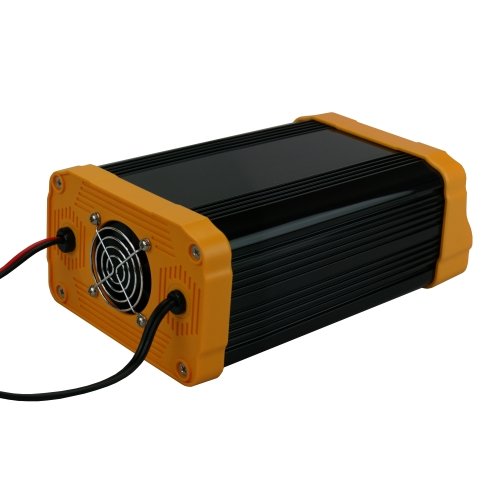
A trickle charger is your primary tool for winter storage. Unlike a standard charger that delivers high current quickly, a trickle charger delivers small amounts of current over long periods, maintaining charge without overcharging.
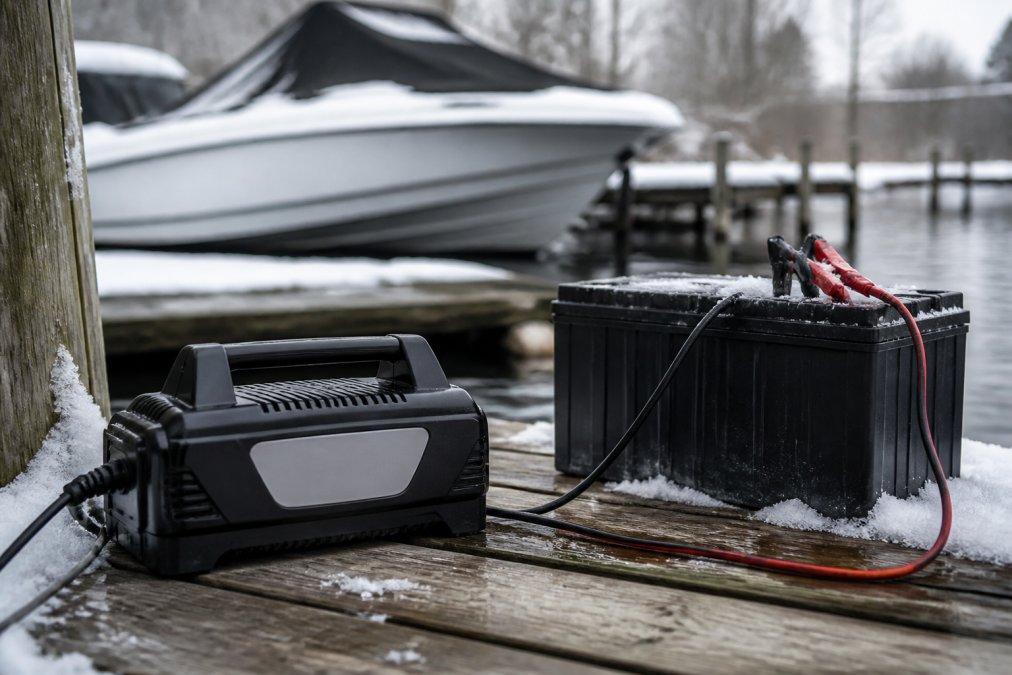
The best trickle chargers include temperature compensation and multi-stage charging logic. When evaluating a trickle charger for marine use, look for temperature compensation that adjusts voltage based on ambient temperature, multi-stage charging (bulk, absorption, and float phases), ability to maintain charge without overcharging for months, waterproof or marine-rated housing, and low parasitic draw when not actively charging. winter battery failure.
Min Kota's Precision Chargers use automatic multi-stage charging that keeps batteries charged and healthy during long-term or winter storage.
Temperature Compensation and Smart Charging
Temperature compensation is the feature that separates a good charger from one that damages your battery. As ambient temperature falls, the charger automatically reduces the charge voltage, preventing the overcharging that would occur if you used a charger calibrated for room temperature in freezing conditions.
Adding temperature compensation on a lead-acid charger to adjust for temperature variations is said to prolong battery life by up to 15 percent.
Smart chargers monitor battery voltage and current in real time, adjusting their output continuously. A truly smart charger senses when a battery is fully charged and switches to maintenance mode that keeps it topped up without overcharging. This is ideal for winter storage when you're not actively using your boat.
Multi-Stage Charging for Winter Storage
Multi-stage charging breaks the charging process into distinct phases, each optimized for a different purpose.
Bulk phase: The charger delivers maximum current until the battery reaches about 80% state of charge.
Absorption phase: Current tapers as voltage approaches the battery's maximum safe voltage. The charger holds this voltage while current gradually decreases, fully charging the battery without stress.
Float/maintenance phase: Once fully charged, the charger switches to a very low current that compensates for self-discharge. The battery stays charged indefinitely without overcharging.
For winter storage, the float phase is critical. A battery sitting in a cold boat will slowly self-discharge. A charger that stays connected and maintains float voltage prevents sulfation and keeps the battery ready to start your engine when spring arrives.
Marine Battery Winter Storage Guide and Best Practices
Winter storage demands more than just leaving a charger connected. Start by fully charging your battery before storage begins. A fully charged battery is more resistant to freezing and less prone to sulfation. Store the battery at a state of charge above 80% throughout the winter months.
Address parasitic loads by turning off the main battery switch, or if loads must remain active (like a bilge pump), ensure the onboard charger is connected and powered to compensate for the draw.
If you're storing your boat in an unheated shed or garage, consider insulating the battery. Wrapping the battery in an insulation blanket slows heat loss and keeps the internal temperature higher than the ambient air.
Connect a trickle charger with temperature compensation and leave it connected throughout winter. Check it monthly to ensure the charger is still powered and functioning.
Preventing Sulfation During Off-Season Storage
Sulfation starts immediately when a battery sits below 80% state of charge and accelerates in cold conditions. Lead sulfate crystals form on the plates and harden, becoming irreversible.
The prevention strategy is straightforward: keep your battery charged above 80% throughout storage. A trickle charger with float voltage capability does this automatically by compensating for the battery's natural self-discharge.
Managing Parasitic Loads and Self-Discharge
Every boat has parasitic loads, bilge pumps, automatic float switches, GPS devices, and security systems, that draw power even when the boat is shut down. A small parasitic load of 50 milliamps might drain a 200-amp-hour battery completely in about 167 days, well within a typical winter storage period.
Disconnect these loads before storage or turn off the main battery switch. If certain loads must stay active, ensure your charger is connected and powered to compensate for the draw.
All batteries have a natural self-discharge rate. Lead-acid batteries self-discharge at roughly 3-5% per month in warm conditions, slower in cold. Lithium batteries self-discharge much more slowly, typically under 1% per month. A trickle charger compensates for this natural loss and keeps the battery ready for spring.
How to Warm Batteries Before Charging in Freezing Weather
If you need to charge a battery in freezing conditions, warming it first is the safest approach. This is especially critical for lithium batteries, which cannot safely charge below 32°F.
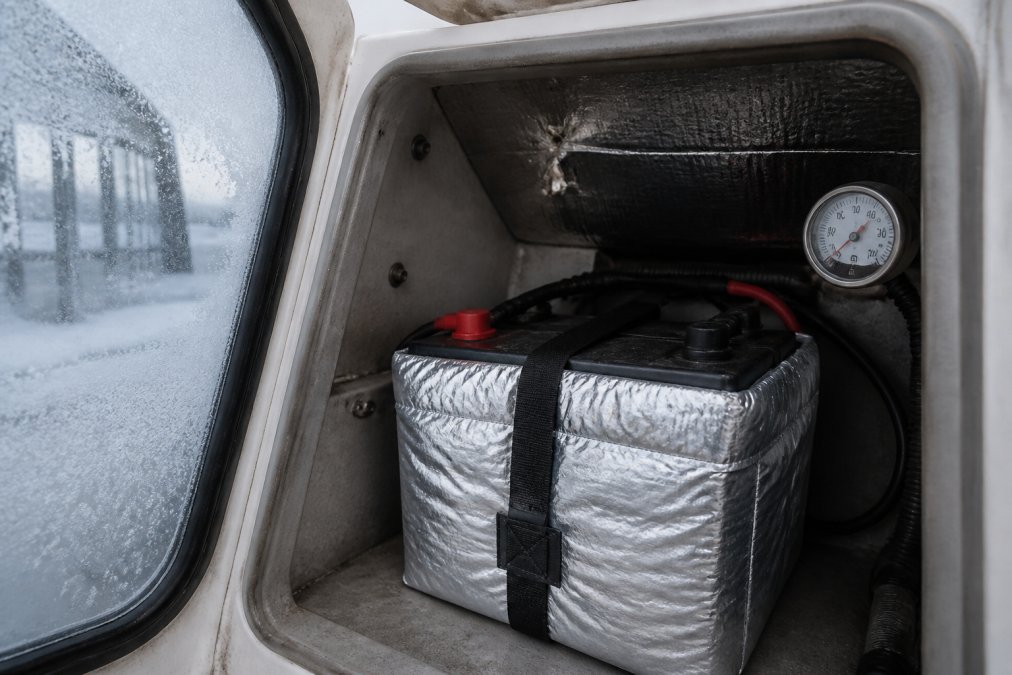
Insulation blankets: Wrap the battery in a marine-grade insulation blanket. These can raise battery temperature by 10-20°F compared to an unheated space.
Space heaters: Place a space heater in the storage area to raise ambient temperature. Aim to raise the space to at least 50°F before attempting to charge a lithium battery.
Heat pads: Some marine batteries include built-in heat pads that activate during charging. Norsk Lithium batteries use proprietary Thermal Core Heating Technology (TCHT) that senses cold temperatures and diverts current to heat pads, raising cell temperature to 59°F in 35-45 minutes for efficient charging.
Bring the battery indoors: For smaller batteries, remove the battery from the boat and store it indoors in a heated space. Once it reaches room temperature, charging is safe.
Never use open flames, propane heaters, or direct heat sources on a battery. Patient, gradual warming is always the safer approach.
Once the battery reaches at least 32°F (ideally 50°F or higher), you can safely charge it using a charger appropriate for your battery chemistry and temperature conditions.
Emergency Recovery if Your Battery Freezes
If your battery has frozen, understand that freezing itself may not be permanent damage. A lead-acid or AGM battery that freezes and then thaws often regains full capacity if the freeze didn't rupture the case.
If the case is cracked or bulging, the battery is likely damaged beyond repair. Frozen electrolyte expands and can crack the plastic housing, allowing electrolyte to leak out.
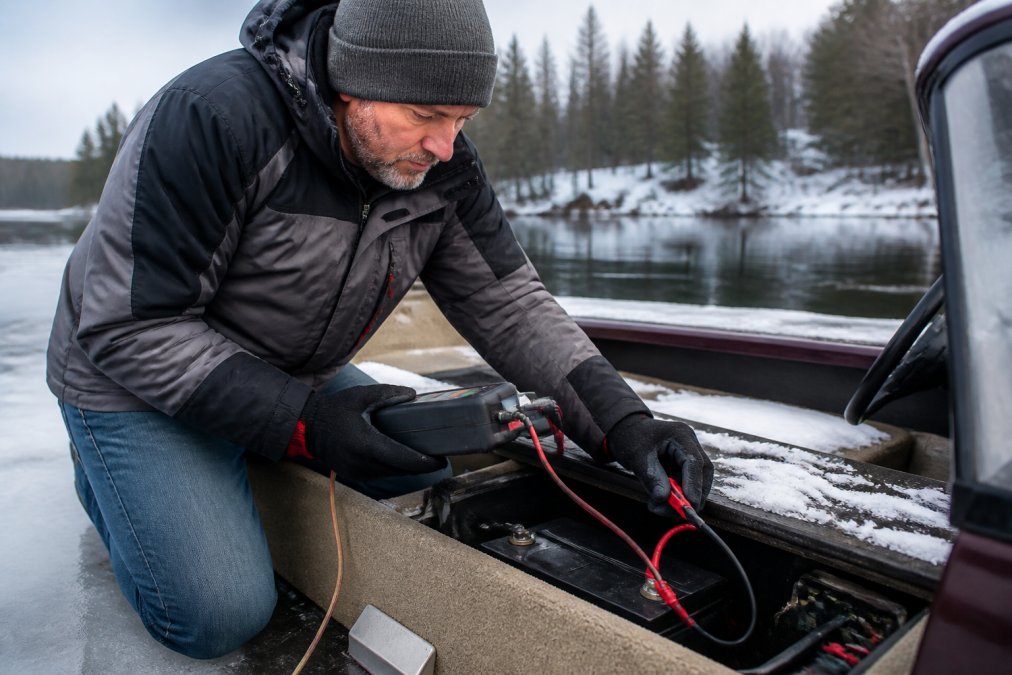
If the case appears intact after thawing, allow the battery to warm to room temperature naturally. Do not apply external heat to a frozen battery. Once it reaches room temperature, attempt a slow charge using a charger with temperature compensation. Monitor the battery carefully for unusual odors, heat generation, or bulging.
For lithium batteries, freezing is less of a structural concern but more of a performance concern. A lithium battery that has been frozen may have reduced capacity due to internal resistance changes, but it should recover some capacity once warmed. However, if the battery was charged while frozen, lithium plating may have occurred, and capacity loss may be permanent. If a lithium battery has frozen and you suspect it was charged in that state, contact the manufacturer before attempting to charge it again.
Marine battery cold weather charging is one of the most common reasons boat owners end up with failed batteries each spring. With the right knowledge and equipment, this is entirely preventable.
The core principle is simple: keep your battery charged, use a smart charger with temperature compensation, and never attempt to charge a lithium battery below freezing unless it's specifically designed for cold-weather charging. At Bigtime Battery, we stock a wide selection of marine batteries and chargers designed to handle winter conditions. Whether you need a replacement deep-cycle battery, a cold-weather-rated lithium option, or a smart trickle charger with temperature compensation, we have the inventory and expertise to get you the right solution. Reach out to our team for guidance on which battery and charger combination works best for your specific boat and climate.
=== FAQ ANSWERS (audit these too, same rules) ===
[1] Q: What temperature is too cold to charge a marine battery? A: Standard lithium iron phosphate batteries should not be charged below 32°F (0°C), as freezing temperatures can cause lithium plating inside the cells, permanently reducing capacity and creating internal safety risks. Lead-acid and AGM batteries can tolerate charging at colder temperatures but experience reduced charge acceptance and capacity retention. Some manufacturers like RELiON offer cold-weather series lithium batteries with built-in heating systems that allow charging down to -4°F. Always consult your battery's manual for specific temperature limits.
[2] Q: Can you charge a lithium marine battery below freezing? A: Charging many standard lithium iron phosphate batteries at or below 32°F can cause permanent damage to the cells. However, some advanced lithium batteries feature proprietary thermal core heating technology or built-in heaters that activate during charging to warm the cells before accepting current. These specialized batteries can charge in sub-zero conditions, with heat pads raising cell temperature to approximately 59°F in 35-45 minutes. If your battery doesn't have this technology, bring it indoors or use an insulated storage method before charging.
[3] Q: How long can you leave a trickle charger on a marine battery during winter? A: Smart trickle chargers with temperature compensation and multi-stage charging (bulk, absorption, and maintenance phases) can remain connected indefinitely during winter storage without damaging your battery. These chargers automatically adjust voltage as temperatures drop and switch to a low-current maintenance phase once fully charged, preventing both overcharging and undercharging. Standard chargers without temperature sensing should not be left on in freezing conditions, use a temperature-compensated charger or disconnect when temperatures drop below 32°F to avoid voltage drift and sulfation.
[4] Q: Do marine batteries lose charge faster in cold weather? A: Yes. At freezing temperatures (32°F), lithium iron phosphate capacity typically drops 20-30%, while AGM batteries can lose up to 30-40% of capacity. A marine battery sitting unused for 4-5 winter months can lose 20-30% of its charge, and irreversible sulfation can begin within 30 days if the state of charge drops below 80% for lead-acid, AGM, or GEL batteries. Using a temperature-compensated trickle charger during storage prevents this loss and extends cycle life by up to 15 percent compared to standard chargers.
Frequently Asked Questions
What temperature is too cold to charge a marine battery?
Standard lithium iron phosphate batteries should not be charged below 32°F (0°C), as freezing temperatures can cause lithium plating inside the cells, permanently reducing capacity and creating internal safety risks. Lead-acid and AGM batteries can tolerate charging at colder temperatures but experience reduced charge acceptance and capacity retention. Some manufacturers like RELiON offer cold-weather series lithium batteries with built-in heating systems that allow charging down to -4°F. Always consult your battery's manual for specific temperature limits.
Can you charge a lithium marine battery below freezing?
Charging many standard lithium iron phosphate batteries at or below 32°F can cause permanent damage to the cells. However, some advanced lithium batteries feature proprietary thermal core heating technology or built-in heaters that activate during charging to warm the cells before accepting current. These specialized batteries can charge in sub-zero conditions, with heat pads raising cell temperature to approximately 59°F in 35-45 minutes. If your battery doesn't have this technology, bring it indoors or use an insulated storage method before charging.
How long can you leave a trickle charger on a marine battery during winter?
Smart trickle chargers with temperature compensation and multi-stage charging (bulk, absorption, and maintenance phases) can remain connected indefinitely during winter storage without damaging your battery. These chargers automatically adjust voltage as temperatures drop and switch to a low-current maintenance phase once fully charged, preventing both overcharging and undercharging. Standard chargers without temperature sensing should not be left on in freezing conditions, use a temperature-compensated charger or disconnect when temperatures drop below 32°F to avoid voltage drift and sulfation.
Do marine batteries lose charge faster in cold weather?
Yes. At freezing temperatures (32°F), lithium iron phosphate capacity typically drops 20-30%, while AGM batteries can lose up to 30-40% of capacity. A marine battery sitting unused for 4-5 winter months can lose 20-30% of its charge, and irreversible sulfation can begin within 30 days if the state of charge drops below 80% for lead-acid, AGM, or GEL batteries. Using a temperature-compensated trickle charger during storage prevents this loss and extends cycle life by up to 15 percent compared to standard chargers.