 listicle
Durable Sump Pump Backup Batteries: Types, Setup & Maintenance
Table of Contents
- What Durable Sump Pump Backup Batteries Do
- AGM vs Lead-Acid Sump Pump Batteries: Key Differences
- Top Durable Sump Pump Backup Battery Options
- How to Install and Set Up Your Backup Battery System
- Sump Pump Battery Maintenance Tips for Long-Term Performance
- Sump Pump Battery Life Expectancy: What to Expect
- Troubleshooting Common Sump Pump Battery Backup Issues
- Frequently Asked Questions
Last Updated: August 9, 2026
What Durable Sump Pump Backup Batteries Do
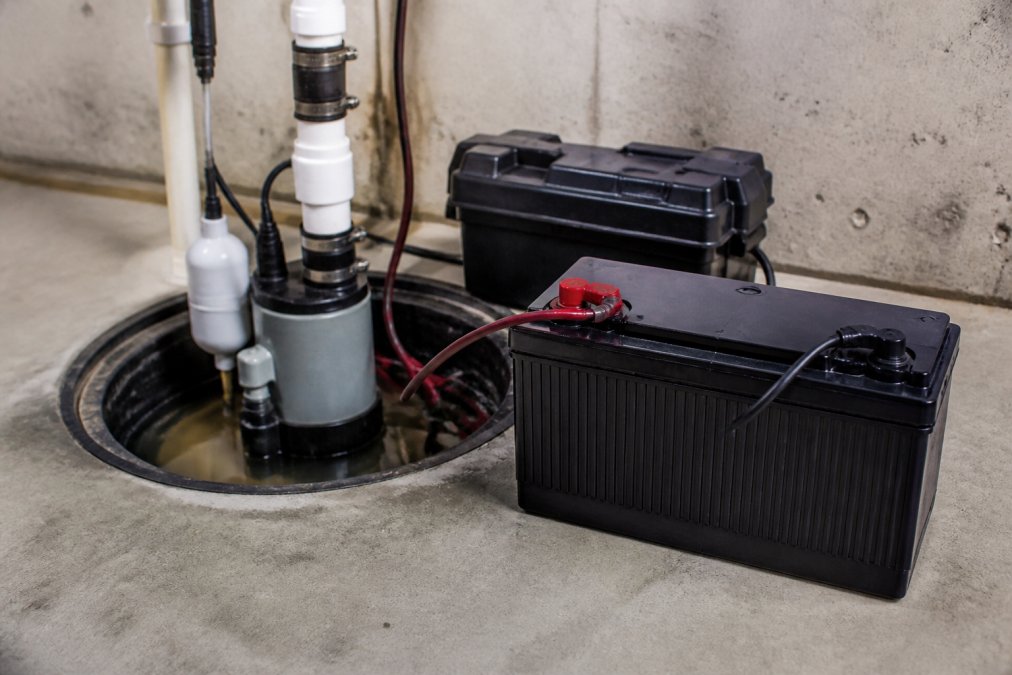
A sump pump backup battery system provides emergency power when your primary pump fails or the grid goes down. During heavy rainfall or flooding, it becomes your second line of defense against basement water damage, activating automatically through a float switch when water levels rise.
A single power outage during a storm can result in thousands of dollars in damage. A 12-volt deep cycle battery rated at 100+ amp-hours can run a typical sump pump for 6-40 hours depending on pump cycling frequency. Runtime depends on three factors: battery capacity (amp-hour rating), the pump's power draw (measured in amps), and how frequently the pump activates.
At Bigtime Battery, we understand that choosing the right backup system requires understanding both the battery chemistry and your specific pumping needs. This guide walks you through the types of backup batteries available, how to select one that matches your sump pit conditions, and how to maintain it so it actually works when you need it.
AGM vs Lead-Acid Sump Pump Batteries: Key Differences
The two dominant battery chemistries for sump pump backup are absorbed glass mat (AGM) and traditional lead-acid (wet cell). Each has distinct maintenance requirements, longevity profiles, and performance characteristics.
Lead-acid (wet cell) batteries use liquid electrolyte inside the cells. They're the older, more affordable option. The EverStart Marine & RV Deep Cycle Battery (Group 27DC) represents this category well, a flooded lead-acid design with 109 amp-hours and 750 marine cranking amps. Lead-acid batteries deliver consistent power and handle deep discharge cycles reasonably well. The catch: they require periodic maintenance. You need to check fluid levels every few months and top them off with distilled water if levels drop. They also emit hydrogen gas during charging, so ventilation matters.
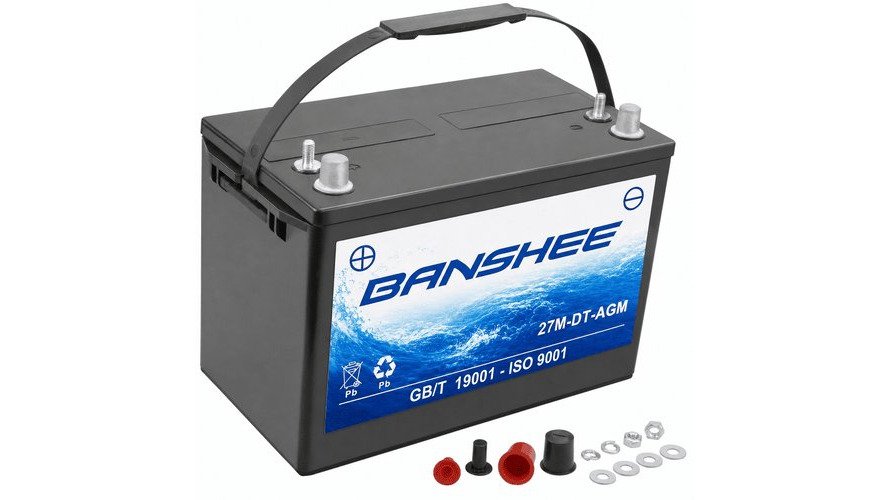
AGM batteries use absorbent glass mat technology to suspend the electrolyte in a fiberglass mat instead of liquid. This makes them spill-proof, maintenance-free, and able to mount in any position. The Mighty Max Battery ML35-12 and Duracell Ultra Platinum AGM Battery both use this technology. AGM batteries tolerate vibration better, resist shock, and don't require fluid checks. They also charge faster and handle temperature extremes better. The downside: AGM batteries cost 30-50% more than comparable lead-acid options.
For sump pump backup specifically, the choice comes down to your commitment level. If you'll check fluid levels twice a year, lead-acid offers better value. If you want a set-it-and-forget-it system, AGM is worth the premium. AGM maintains voltage better during long idle periods between pump cycles, which matters for reliability, you want consistent power available the moment the float switch triggers.
Top Durable Sump Pump Backup Battery Options
EverStart Marine & RV Deep Cycle Battery (Group 27DC)
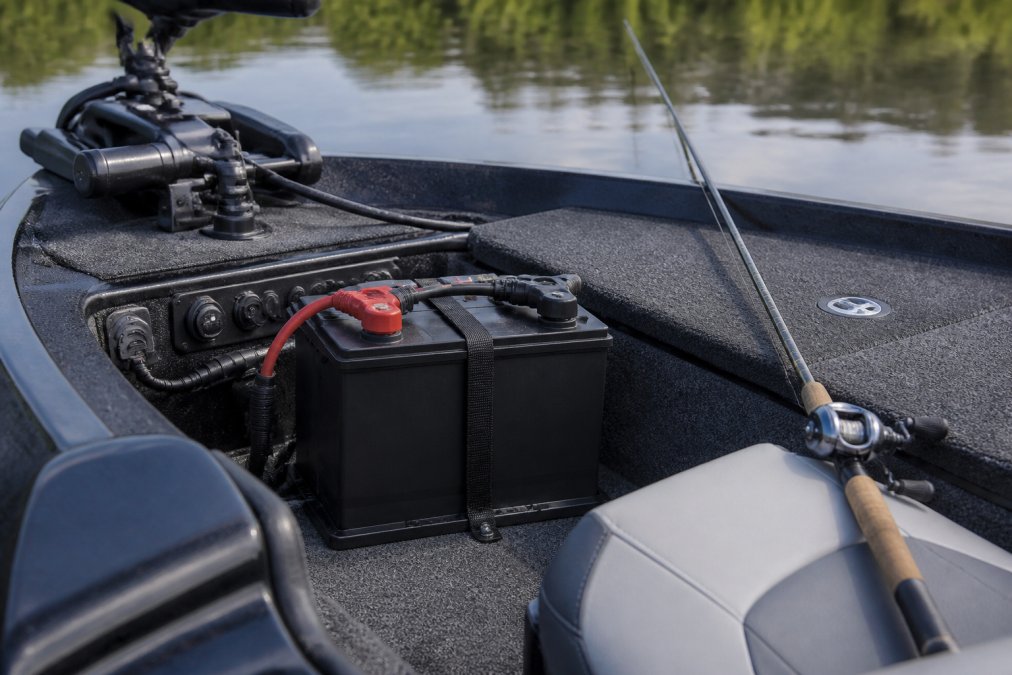
The EverStart Marine & RV Deep Cycle Battery delivers solid performance at a budget-friendly price point. Rated at 109 amp-hours with 750 marine cranking amps, this true deep cycle battery is designed to discharge and recharge repeatedly without premature failure. The Group 27DC size fits most sump pump backup systems and offers enough capacity for 8-12 hours of runtime on a typical submersible pump.
This flooded lead-acid design has dual post terminals for flexible connection options. The 160-minute reserve capacity means it can power a standard load for extended periods even as voltage drops. For homeowners on tight budgets who don't mind checking fluid levels quarterly, this battery represents genuine value.
What to watch: This battery requires maintenance. Check electrolyte levels every few months and top off with distilled water if needed. It also needs proper ventilation during charging to prevent hydrogen buildup.
Best for: Budget-conscious homeowners who can commit to basic maintenance and have adequate basement ventilation.
Pros:
- Affordable compared to AGM alternatives
- Proven deep cycle performance
- Widely available at retail stores
Cons:
- Requires periodic fluid level checks
- Needs ventilation during charging
- Shorter lifespan in standby applications compared to AGM
Mighty Max Battery ML35-12 AGM
The Mighty Max Battery ML35-12 is a sealed AGM battery with 35 amp-hours capacity. It's more compact than the EverStart, making it ideal for tight sump pit spaces. The absorbent glass mat design means zero maintenance, no fluid checks, no ventilation concerns, no corrosion from spilled electrolyte.
This battery excels in standby applications. AGM chemistry maintains voltage better during long idle periods between pump cycles. When the float switch triggers, you get consistent power delivery. The sealed construction also means the battery survives basement temperature fluctuations without performance degradation.
The 35 Ah capacity provides 4-6 hours of continuous pumping on a typical 3-amp submersible pump, or about 12-18 hours of intermittent cycling. For most residential basements with normal water intrusion rates, this covers the critical window until power returns or the water table drops.
Best for: Homeowners wanting a maintenance-free backup system in compact spaces, or those uncomfortable with lead-acid maintenance.
Pros:
- Completely maintenance-free
- Spill-proof and can mount in any position
- Better voltage stability during standby periods
- Compact size fits tight sump pits
Cons:
- Lower capacity than larger lead-acid options
- Higher upfront cost
- May not provide enough runtime for high-flow pumps in extended outages
Duracell Ultra Platinum AGM Battery
Duracell's Ultra Platinum AGM battery brings premium durability to sump pump backup. Available in multiple group sizes (24M, 27M, 31M, 34M), you can choose capacity that matches your specific pumping requirements.
The standout feature is cycle life. Duracell claims 2x more cycle life than standard batteries, meaning this battery tolerates repeated charge-discharge cycles better than competitors. For sump pump applications where the battery might cycle 50-100 times per year, this longevity advantage compounds over 5-7 years.
Vibration resistance is another strength. The battery resists shock and vibration 20x better than conventional designs. Like all AGM batteries, this mounts in any position and requires zero maintenance beyond occasional terminal cleaning.
Best for: Homeowners seeking maximum reliability and longevity, especially in areas with frequent power outages or high water tables.
Pros:
- Extended cycle life (2x industry standard)
- Superior vibration resistance
- Multiple group sizes available for custom capacity
- Maintenance-free AGM design
Cons:
- Premium pricing compared to standard AGM batteries
- Overkill for occasional-use backup systems
How to Install and Set Up Your Backup Battery System
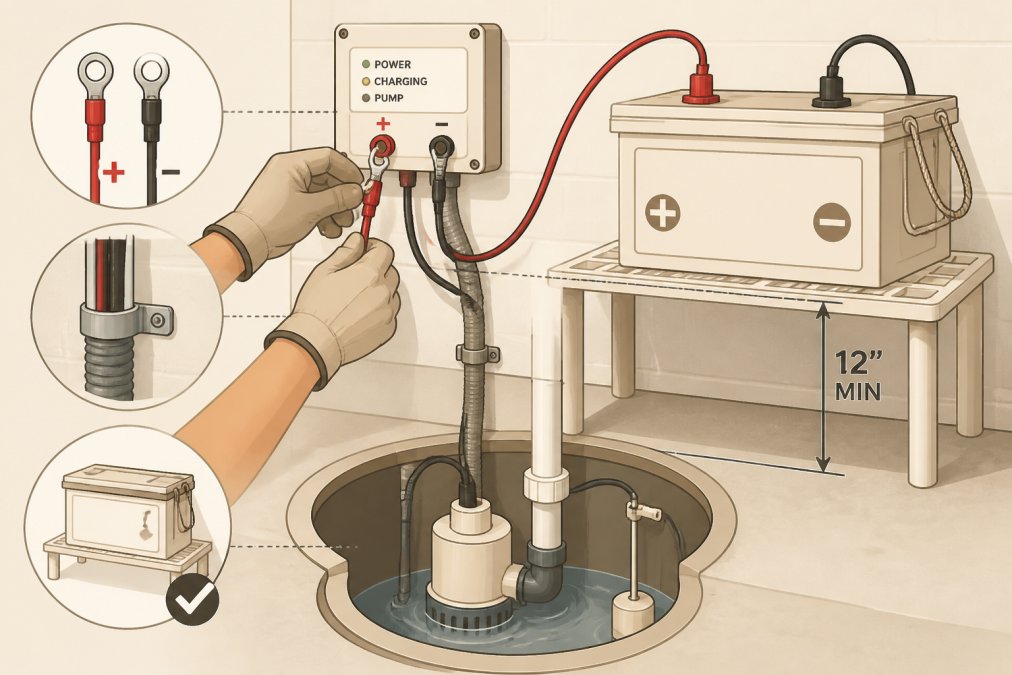
Installation varies by system type, but the core steps remain consistent.
Step 1: Choose Your Location
Position the battery on a stable, elevated surface above the sump pit water level. A plastic shelf or battery box works well. The battery must stay dry; water damage means immediate failure. Ensure adequate ventilation if using lead-acid batteries.
Step 2: Install the Backup Pump
Most systems mount the backup pump in the sump pit on a separate float switch. Install it so the pump intake sits below the minimum water level but the discharge outlet directs water away from the pit. Use a check valve on the discharge line to prevent backflow.
Step 3: Connect the Battery
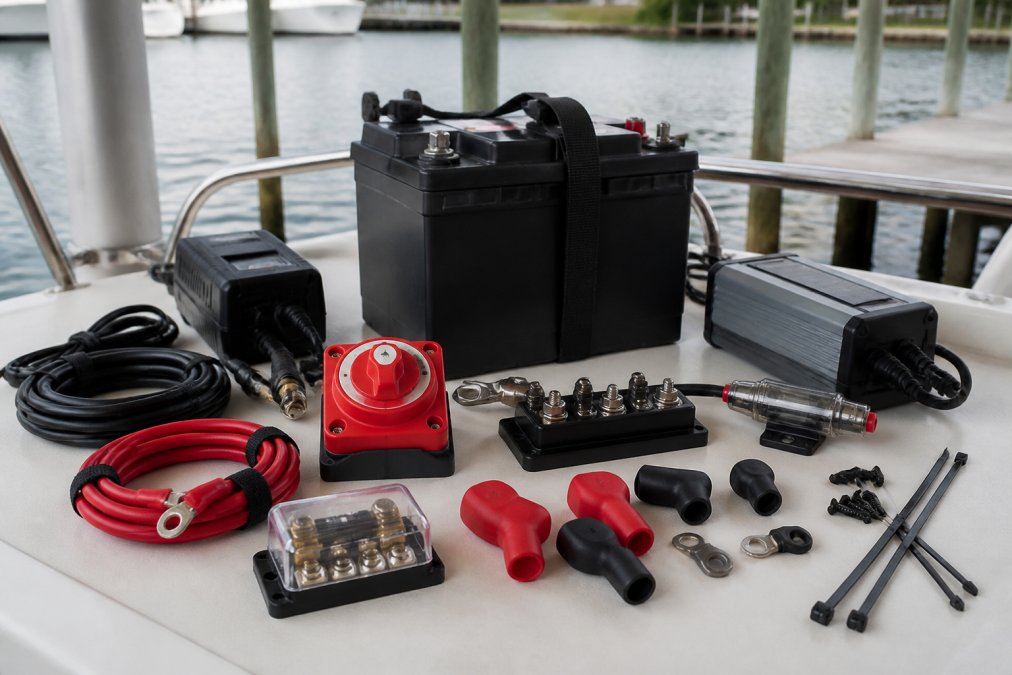
Use the correct gauge wire specified in your system manual. Typical backup systems use 2-4 gauge cable for the main battery connection. Connect the positive (red) terminal first, then the negative (black) terminal. This order prevents accidental shorts. Ensure all connections are tight; loose connections cause voltage drop and system failure.
Step 4: Set Up the Float Switch
The float switch triggers the pump when water reaches a specific height. Adjust it so the backup pump activates only after your primary pump fails or can't keep up. Most installers set the backup float 2-3 inches higher than the primary pump float.
Step 5: Test the System
Fill the sump pit with water manually until the backup float rises. The pump should activate and begin draining water. Let it run for 30 seconds to confirm water is actually pumping out. This test is critical, you're confirming the system works before an emergency happens.
Step 6: Install the Charger
Connect the automatic multi-stage charger to the battery. This charger monitors battery voltage and applies the correct charging current. Most chargers include a plug-in AC cord that stays powered.
Installation typically takes 2-4 hours for a homeowner with basic electrical knowledge. If you're uncomfortable working with electrical connections, hiring a licensed plumber or electrician is worth the cost. The most common installation mistake is undersizing the wire gauge.
Sump Pump Battery Maintenance Tips for Long-Term Performance
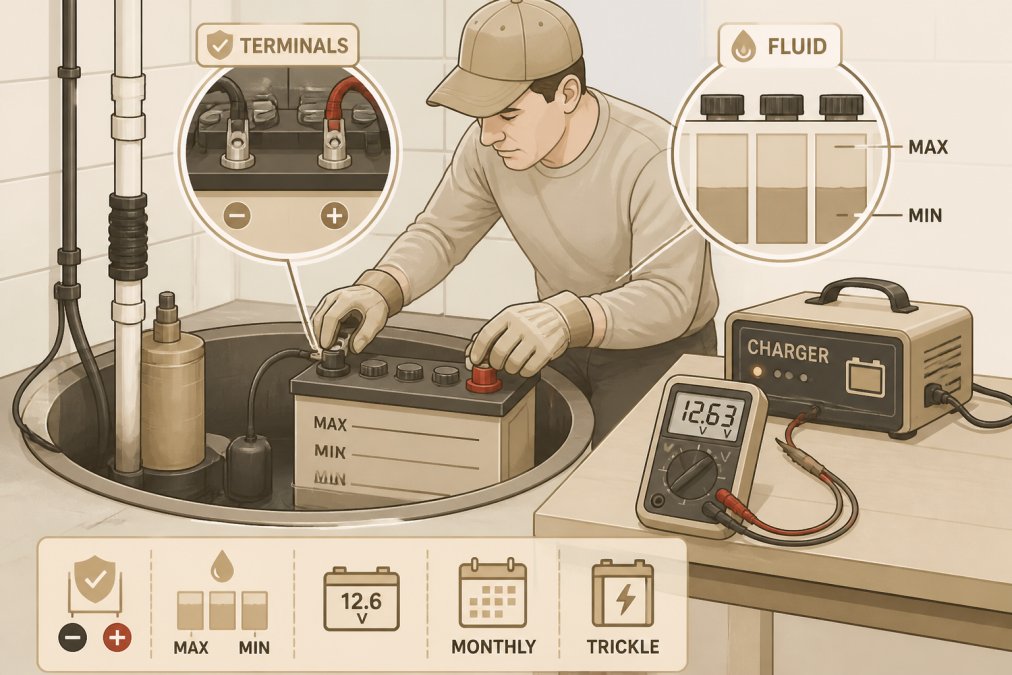
Maintenance separates backup systems that work when needed from those that fail silently. A battery sitting idle for months loses charge and can develop permanent damage if left discharged.
Monthly Checks
Inspect the battery terminals for corrosion. A white or blue crusty buildup indicates corrosion. Clean it off with a wire brush and apply a thin coat of dielectric grease to prevent future corrosion. Check that all cable connections are tight.
For lead-acid batteries only, check the electrolyte level in each cell. If the level is below the fill line, add distilled water until it reaches the line. Always use distilled water; tap water contains minerals that damage lead-acid batteries.
Quarterly Load Tests
Every three months, test the system under load. Fill your sump pit with water manually until the backup float triggers. Let the pump run for 2-3 minutes, then stop the test. This confirms the battery still has enough charge to power the pump.
Annual Deep Discharge
Once per year, fully discharge the battery by running the backup pump until the battery voltage drops to 10.5 volts (measured with a multimeter). Then recharge it fully. This deep discharge cycle keeps the battery healthy and reveals any capacity loss. If the battery can't sustain the pump for at least 2 hours at full discharge, it's time for replacement.
Temperature Management
Batteries perform better in stable temperatures. If your basement gets below 40°F in winter, insulate the battery box. If it exceeds 85°F in summer, improve ventilation. Temperature extremes shorten battery lifespan and reduce available capacity.
Replacing the Battery
Most sump pump backup batteries last 3-5 years in standby service, or 2-3 years if they cycle frequently. When the annual load test shows the battery can't sustain the pump for at least 2 hours, replace it.
| Maintenance Task | Frequency | Time Required | What to Check |
|---|---|---|---|
| Terminal inspection and cleaning | Monthly | 5-10 minutes | Corrosion, tight connections |
| Electrolyte level (lead-acid only) | Monthly | 5 minutes | Water level in each cell |
| Load test under backup operation | Quarterly | 10 minutes | Pump activation and runtime |
| Deep discharge and recharge cycle | Annually | 2-3 hours | Battery capacity and health |
| Battery replacement | Every 3-5 years | 30 minutes | Full voltage and capacity loss |
Sump Pump Battery Life Expectancy: What to Expect
Battery lifespan in sump pump backup applications depends on chemistry, maintenance, and how often the system actually cycles.
Lead-acid batteries typically last 3-5 years in standby sump pump service. If your backup pump rarely activates, you'll see the longer end of that range. If it cycles frequently during rainy seasons, expect 3-4 years. The key factor is how deeply the battery discharges.
AGM batteries generally last 4-7 years in the same application. The sealed design and better voltage stability during standby give AGM a longevity advantage. However, AGM batteries are more sensitive to overcharging. If your automatic charger malfunctions and overcharges the battery, AGM fails faster than lead-acid.
Several factors accelerate battery aging: deep discharge cycles reduce capacity with each occurrence; temperature extremes below 40°F or above 85°F shorten lifespan; overcharging from a faulty charger damages the battery; and sulfation in lead-acid batteries occurs when the battery sits discharged for extended periods.
A well-maintained sump pump backup battery in a stable basement environment lasts 4-5 years reliably. Plan to replace it at that interval. Don't wait for failure, a dead battery during a storm is worse than replacing a battery that still works.
Troubleshooting Common Sump Pump Battery Backup Issues
Backup systems fail silently most of the time. You don't know there's a problem until the power goes out and the pump doesn't activate. Recognizing warning signs prevents this scenario.
Pump Won't Activate During Test
If you fill the sump pit with water and the backup pump doesn't turn on, start with the float switch. Manually lift the float arm to see if the pump activates. If it does, the float is stuck or positioned incorrectly. If the pump still doesn't activate when you lift the float, the problem is electrical.
Check the battery voltage with a multimeter. It should read 12.6 volts or higher when fully charged. If it reads below 12 volts, the battery is discharged. Connect the charger and wait 4-6 hours, then test again. If voltage doesn't rise above 12 volts after charging, the battery is dead and needs replacement.
Weak Pumping Power
If the pump activates but water drains slowly, voltage drop is the likely cause. Check all cable connections at the battery terminals and pump. Loose connections create resistance that reduces available voltage. If power is still weak, measure voltage at the pump while it's running. It should be 11.5 volts or higher. If it's lower, the wire gauge is too small or connections are corroded.
Charger Not Working
The automatic charger has a light indicator showing charging status. If the light doesn't illuminate when you plug in the charger, test the outlet with another device. If the outlet works but the charger doesn't light up, the charger is faulty and needs replacement.
If the charger lights up but the battery voltage doesn't rise after 12 hours, the battery is likely sulfated or has internal damage.
Battery Drains Quickly
If the battery discharges between pump cycles when the charger is plugged in, the charger isn't keeping up with battery drain. First, check that the charger is actually plugged in and the outlet works. Second, reduce how often the pump cycles by adjusting the backup float switch higher.
If the float is adjusted correctly and the charger is working, the battery capacity is declining. Perform an annual load test. If the battery can't sustain the pump for at least 2 hours at full discharge, replace it.
Corrosion on Terminals
White or blue crusty buildup on battery terminals reduces electrical connection quality. Remove corrosion by disconnecting the cables and scrubbing the terminals with a wire brush and baking soda solution. Rinse with distilled water and dry completely. Reconnect the cables (positive first, then negative) and apply dielectric grease to prevent future corrosion.
If corrosion returns quickly after cleaning, the charger might be overcharging the battery. Check charger output voltage; it should be 13.5-14.5 volts. If it's higher, the charger is faulty.
Choosing the right sump pump backup battery system protects your basement from the damage that comes when your primary pump fails during a storm. The best backup system combines a durable battery matched to your pump's power requirements with an automatic charger that keeps it ready. At Bigtime Battery, we provide access to the best replacement batteries for every backup system type, from affordable lead-acid options to premium AGM batteries that deliver reliability when you need it most. Browse our selection of deep cycle and specialty batteries to find the right fit for your sump pump backup needs.
Frequently Asked Questions
How long do sump pump backup batteries last during a power outage?
Runtime depends on your battery's amp-hour rating and your pump's electrical draw. A 75 Ah deep cycle battery can power a typical sump pump for 6-40 hours, depending on how often the pump cycles. Continuous operation (constant water influx) drains the battery faster than intermittent cycling. Check your pump's amperage rating and multiply by hours to estimate runtime.
What is the difference between AGM and lead-acid sump pump batteries?
AGM (Absorbent Glass Mat) batteries are sealed, maintenance-free, and handle vibration well, making them ideal for standby applications. Lead-acid wet cell batteries are cheaper upfront but require periodic fluid checks and have shorter lifespans in float-charge applications. AGM batteries typically last 5-7 years in backup service; wet cell batteries last 3-5 years.
How often should you replace a sump pump backup battery?
Replace your backup battery every 3-7 years, depending on type and use. AGM batteries last longer (5-7 years); flooded lead-acid typically needs replacement every 3-5 years. Test your battery annually with a load tester to check voltage and capacity. If it no longer holds a charge or voltage drops below 12V under load, replacement is overdue.
Can I use a deep cycle marine battery for my sump pump?
Yes. Deep cycle marine batteries like the EverStart Group 27DC are well-suited for sump pump backup systems because they handle repeated charge-discharge cycles without damage. Marine batteries deliver steady power over extended periods, unlike starting batteries designed for short bursts. Ensure the battery's amp-hour rating matches your pump's power requirements.
Is a battery backup for a sump pump worth it?
Yes, especially if you live in an area prone to power outages or have a high water table. A backup system prevents basement flooding when your primary pump loses power, protecting your property from thousands in water damage. The cost of a quality battery backup system (controller and battery) is minimal compared to flood restoration expenses.