 listicle
Durable Specialty Batteries for GPS: A 2026 Guide
Table of Contents
- Why Battery Choice Matters for GPS Reliability
- Lithium vs. Alkaline for GPS: Which Performs Better
- GPS Battery Life Expectancy: What to Expect
- Cold Weather Battery Performance for GPS Devices
- Top Battery Options for GPS Tracking Systems
- 1. Energizer Ultimate Lithium AA Batteries, Best for Most GPS Devices
- 2. Saft LS14500 AA 3.6V Lithium-Thionyl Chloride Battery, Best for Industrial and Extreme Deployments
- 3. Panasonic CR123A 3V Lithium Battery, Best for Compact GPS Devices
- 4. Duracell Optimum AA for Budget-Conscious Users, Best for Casual GPS Use
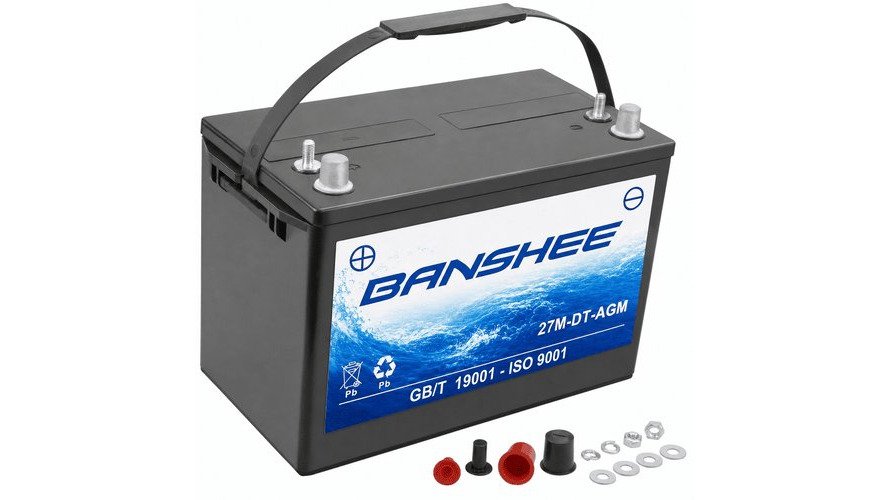
- 5. Power-Sonic PS-1270 SLA for Stationary Trackers, Best for Fixed GPS Systems
- How to Choose the Right Battery for Your GPS Unit
- Common Battery Mistakes That Drain GPS Power
- Frequently Asked Questions
Last Updated: August 12, 2026
Why Battery Choice Matters for GPS Reliability
GPS devices rely entirely on battery power to function in the field. The wrong battery choice leads to premature shutdowns, missed tracking data, and failed missions. Your selection of specialty batteries for GPS directly determines whether your tracker delivers hours or days of runtime, and whether it performs in harsh conditions or fails when you need it most. The difference between reliable performance and premature failure often comes down to chemistry.
Lithium vs. Alkaline for GPS: Which Performs Better
Lithium batteries outperform alkaline in nearly every metric that matters for GPS devices: energy density, voltage stability, shelf life, and temperature tolerance. But alkaline batteries have a role in specific scenarios where cost matters more than performance.
Energy Density and Discharge Rate
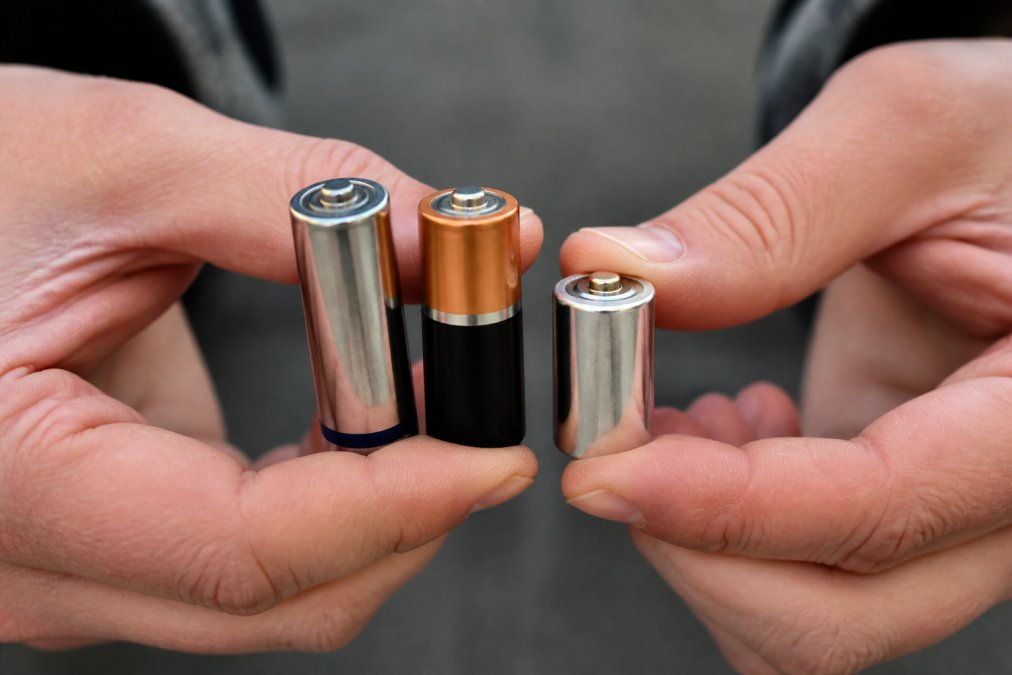
Energy density refers to how much power a battery stores relative to its physical size. Lithium batteries pack roughly three times the energy density of alkaline cells in the same form factor, delivering more total runtime.
GPS devices draw current continuously during transmission and positioning calculations. Lithium batteries maintain stable voltage output throughout their discharge cycle, while alkaline batteries experience voltage sag as they discharge, causing GPS receivers to work harder and drain power faster. For handheld GPS units that transmit frequently, lithium batteries extend runtime by 50 percent or more compared to alkaline equivalents.
Operating Temperature and Shelf Life
Alkaline batteries perform acceptably between 50°F and 85°F. Below freezing, their chemical reaction slows dramatically, reducing available current.
Lithium batteries operate reliably from -40°F to 140°F. This wider temperature window makes them the only practical choice for outdoor GPS devices deployed in seasonal climates or extreme environments. A lithium battery stored for two years loses less than one percent of its charge per year, while an alkaline battery loses three to five percent annually. For GPS devices that sit dormant for months between uses, lithium batteries guarantee the device will power on when needed.
GPS Battery Life Expectancy: What to Expect
Battery runtime in a GPS device depends on three variables: the battery's energy capacity, the device's power consumption, and the duty cycle of transmissions.
Primary vs. Rechargeable Cells
Primary batteries (single-use) like lithium and alkaline excel for devices that operate intermittently or sit in storage between uses. Rechargeable batteries like sealed lead-acid suit stationary GPS systems or fleet vehicle trackers that return to a depot daily. If your GPS device lives in a vehicle or returns to a charging station regularly, rechargeable makes financial sense. If it deploys to remote locations or sits dormant for months, primary batteries are the only practical option.
Factors Affecting Real-World Runtime
A GPS device's power consumption varies dramatically based on transmission frequency and receiver sensitivity. A device that transmits location every 30 seconds burns through batteries much faster than one that transmits once per hour.
Temperature affects runtime in two ways. Cold reduces the chemical reaction rate inside the battery, temporarily lowering available current. A lithium battery at 0°F delivers 70 percent of its rated capacity. Secondly, GPS receivers draw more current in cold conditions because the receiver takes longer to acquire a satellite fix.
Cold Weather Battery Performance for GPS Devices
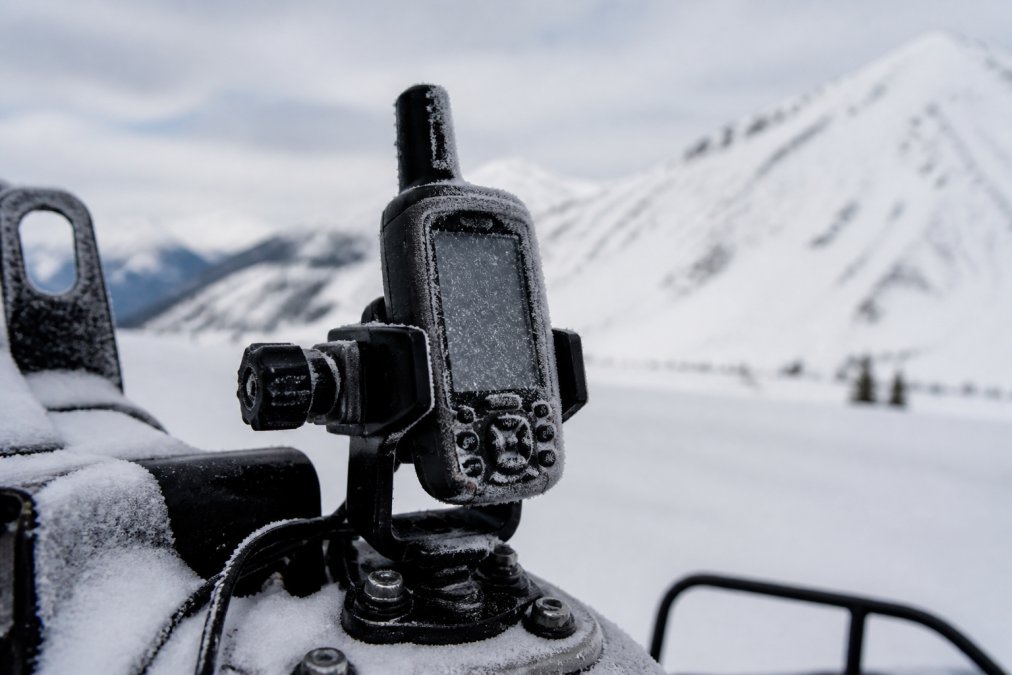
GPS devices deployed in winter face a double challenge: batteries lose capacity in cold, and receivers work harder to acquire satellite fixes.
How Temperature Impacts Voltage Stability
Battery voltage depends on the chemical reaction rate inside the cell. Cold slows chemistry. A lithium battery maintains 3.0 volts at room temperature but outputs 2.1 volts at 0°F under load. The GPS receiver still functions at 2.1V, but the lower voltage margin means the device may reset during high-power transmission events.
Alkaline batteries suffer worse voltage collapse in cold. An alkaline AA rated at 1.5V at room temperature may drop to 0.9V at freezing temperatures under load, severe enough to shut down many GPS receivers entirely.
Lithium-thionyl chloride batteries (like the Saft LS14500) maintain voltage stability even at -60°F. Their chemistry is specifically engineered for extreme temperature applications.
Tested Options for Extreme Conditions
The Energizer Ultimate Lithium AA performs in temperatures down to -40°F while maintaining sufficient voltage for GPS operation. Its 20-year shelf life and 33 percent weight reduction compared to alkaline make it the standard choice for outdoor GPS professionals.
The Saft LS14500 AA Lithium-Thionyl Chloride Battery operates reliably from -76°F to +185°F and maintains voltage stability across the entire temperature range.
For stationary GPS trackers that stay powered year-round, the Power-Sonic PS-1270 sealed lead-acid battery provides rechargeable power with excellent cold-weather performance when properly maintained.
Top Battery Options for GPS Tracking Systems
The battery you choose depends on your device type, operating environment, and deployment frequency.
1. Energizer Ultimate Lithium AA Batteries, Best for Most GPS Devices
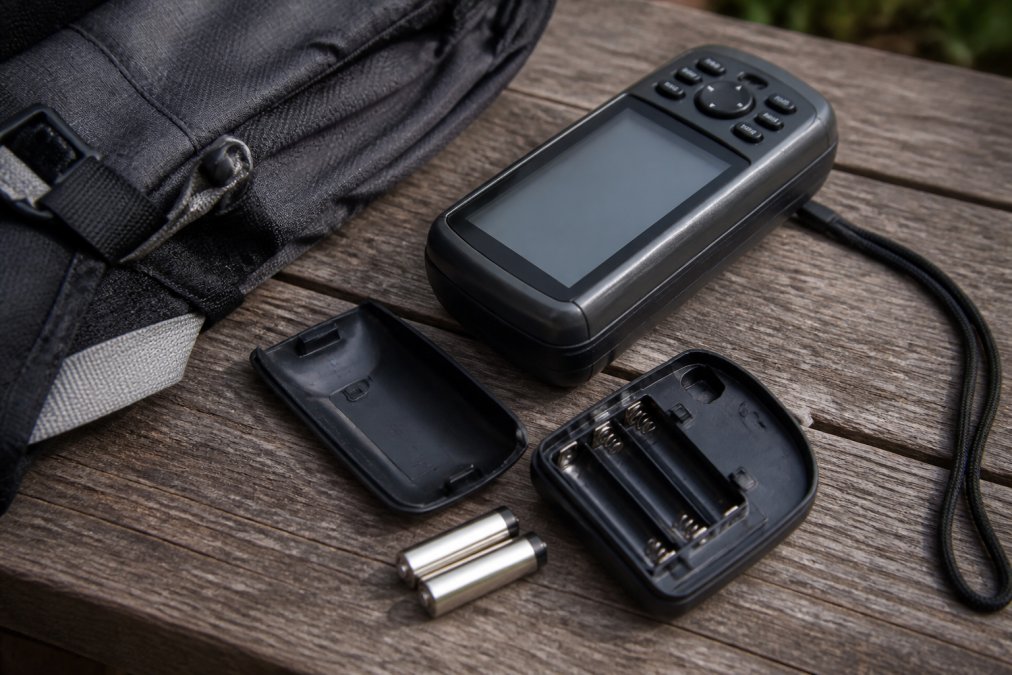
The Energizer Ultimate Lithium AA is the default choice for handheld GPS units, portable trackers, and field devices. It lasts up to 7 hours longer in handheld GPS devices compared to alkaline alternatives, performs reliably from -40°F to 140°F, and maintains a 20-year shelf life.
Best for: Outdoor professionals, field surveyors, emergency responders, and anyone deploying GPS devices in seasonal climates or remote locations.
Pros:
- Excellent performance in extreme temperatures
- Very long shelf life for preparedness
- Lightweight, reducing overall device weight
- Consistent voltage delivery throughout discharge cycle
Cons:
- Higher initial cost compared to alkaline batteries
- Overkill for applications that don't require temperature extremes or long shelf life
2. Saft LS14500 AA 3.6V Lithium-Thionyl Chloride Battery, Best for Industrial and Extreme Deployments
The Saft LS14500 is the professional-grade option for GPS systems that operate in harsh environments or require multi-year battery life without replacement. Its 2600 mAh capacity, ultra-low self-discharge rate (less than one percent per year), and operating range from -76°F to +185°F make it ideal for long-term remote deployments.
Best for: Industrial asset tracking, utility meter monitoring, remote sensor networks, and GPS systems deployed in extreme environments where battery replacement is difficult or expensive.
Pros:
- Exceptional longevity and reliability for long-term deployments
- Superior performance in extreme temperatures
- Extremely low self-discharge for decade-long shelf life
- Non-restricted for travel and hazardous material regulations
Cons:
- Non-rechargeable, requiring eventual replacement
- Requires specialized suppliers; not available at retail
- Higher cost than consumer-grade lithium batteries
3. Panasonic CR123A 3V Lithium Battery, Best for Compact GPS Devices
The Panasonic CR123A is the standard power source for compact GPS trackers, key fob trackers, and security devices. Its 1550 mAh capacity in a compact form factor delivers high power output for devices that transmit frequently. The ultra-low self-discharge rate makes it ideal for backup trackers and emergency devices that sit unused for months.
Best for: GPS locators, security alarm sensors, compact tracking devices, and any application where form factor is constrained.
Pros:
- Excellent for high-drain applications in compact devices
- Long shelf life and reliable in varying temperatures
- Widely available from multiple manufacturers
- High capacity retention in storage
Cons:
- Non-rechargeable
- Higher cost than alkaline alternatives
4. Duracell Optimum AA for Budget-Conscious Users, Best for Casual GPS Use
The Duracell Optimum AA is the practical middle ground for GPS devices that don't operate in extreme conditions or need extreme longevity. Its Power Boost formula delivers better performance than standard alkaline batteries while remaining widely available and affordable. The 12-year storage guarantee means the device will power on reliably after sitting on a shelf for years.
Best for: Casual users, indoor GPS applications, and anyone balancing cost against performance for non-critical deployments.
Pros:
- Improved performance over standard alkaline batteries
- Convenient, widely available packaging
- Recyclable and environmentally considered design
- Reasonable cost for general-purpose use
Cons:
- Not effective in extreme temperatures
- Shorter shelf life compared to lithium alternatives
- Voltage sag occurs as battery discharges
5. Power-Sonic PS-1270 SLA for Stationary Trackers, Best for Fixed GPS Systems
The Power-Sonic PS-1270 is a 12V 7Ah sealed lead-acid battery using Absorbent Glass Mat (AGM) technology. It's rechargeable, making it cost-effective for stationary GPS systems that return to a charging station regularly or remain powered continuously.
Best for: Larger stationary GPS tracking units, backup power for critical systems, security systems, and applications where a rechargeable, strong power source is essential.
Pros:
- Rechargeable for repeated use, reducing long-term cost
- Durable and spill-proof design for outdoor installations
- Maintains performance through hundreds of charge cycles
Cons:
- Heavier and larger than lithium alternatives
- Requires charging infrastructure
- Shorter shelf life in storage compared to primary lithium batteries
| Battery Type | Form Factor | Operating Temp Range | Shelf Life | Best Use Case | Rechargeable |
|---|---|---|---|---|---|
| Energizer Ultimate Lithium AA | AA | -40°F to 140°F | 20 years | Handheld GPS, field devices | No |
| Saft LS14500 | AA | -76°F to +185°F | 10-20+ years | Industrial, extreme environments | No |
| Panasonic CR123A | CR123A | -40°F to 140°F | 10 years | Compact trackers, key fobs | No |
| Duracell Optimum AA | AA | 50°F to 85°F | 12 years | Casual use, moderate climates | No |
| Power-Sonic PS-1270 | 12V SLA | -4°F to 140°F | 3-5 years | Stationary trackers, backup power | Yes |
How to Choose the Right Battery for Your GPS Unit
The right battery depends on three factors: your device's voltage and capacity requirements, your operating environment, and the balance between cost and runtime.
Check Device Voltage and Capacity Requirements
Your GPS device's manual specifies the required voltage and battery type. A device designed for AA batteries won't accept CR123A cells. Check your device's specifications for current draw in active and standby modes, then calculate total capacity needed.
Bigtime Battery's team can help you identify the correct battery type if your device label is worn or missing. Provide the device model number, and we'll match it to the right specialty batteries for GPS and other applications.
Evaluate Operating Conditions and Climate
Consider the temperature range where your device will operate. If deployment includes winter months or high-altitude environments, lithium batteries are essential. Assess how long the device will sit between uses. A tracker deployed daily can use alkaline batteries, while a device stored for months between deployments needs lithium's superior shelf life.
Balance Cost Against Runtime Needs
Lithium batteries cost three to five times more than alkaline but deliver three times the runtime. For a device that operates weekly, lithium is economical because the long shelf life means you replace batteries infrequently. For devices operating continuously, sealed lead-acid rechargeable batteries become economical after 50 to 100 charge cycles.
Common Battery Mistakes That Drain GPS Power
Mixing old and new batteries in the same device causes voltage instability. New batteries have higher voltage than partially depleted ones, triggering protection circuits that shut down the receiver.
Storing batteries in hot environments accelerates self-discharge and can damage the battery's internal chemistry. Leaving alkaline batteries in dormant devices for years causes battery leakage, producing corrosive byproducts that eat through battery contacts and circuit board traces. Lithium batteries don't leak, making them safer for long-term storage.
Assuming all AA batteries perform identically is a costly mistake. A $0.50 alkaline battery and a $3.00 lithium battery look identical but deliver vastly different performance in cold weather or under high drain.
Choosing the right specialty batteries for GPS devices means understanding the tradeoffs between cost, performance, and reliability. Lithium batteries deliver superior performance in extreme temperatures and offer exceptional shelf life, making them the professional choice for field deployments. Alkaline batteries suit casual applications where cost matters more than performance. Sealed lead-acid batteries excel for stationary systems where recharging is practical.
Bigtime Battery stocks a comprehensive selection of replacement batteries for GPS devices and hundreds of other applications. Whether you need Energizer Ultimate Lithium for field work, industrial-grade Saft batteries for extreme environments, or sealed lead-acid power for stationary trackers, Bigtime Battery delivers reliable specialty batteries for GPS at competitive prices. Browse our full selection and find the exact battery your device needs, with fast shipping and expert support to answer questions about compatibility and performance.
Frequently Asked Questions
How long can a GPS battery actually last in the field?
Battery life depends on the battery type, capacity, and GPS device power draw. Alkaline AA batteries in handheld GPS units typically last 15-25 hours of continuous use. Lithium AA batteries extend this to 20-30 hours. For low-power tracking systems using lithium-thionyl chloride cells, runtime can reach months or even years with minimal discharge. Check your device's power consumption in milliampere-hours to estimate actual runtime.
Are lithium batteries better than alkaline for GPS devices?
For most GPS applications, yes. Lithium batteries offer higher energy density, stable voltage output throughout discharge, superior performance in extreme temperatures, and longer shelf life. Alkaline batteries cost less upfront but deliver lower capacity and perform poorly in cold conditions. Lithium-thionyl chloride batteries excel in industrial tracking systems requiring years of standby time. Choose based on your device's power requirements and operating environment.
What battery performs best in cold weather GPS tracking?
Lithium batteries significantly outperform alkaline in freezing conditions. Energizer Ultimate Lithium AA batteries operate reliably from -40°F to 140°F and deliver consistent voltage in cold weather. Saft LS14500 and similar lithium-thionyl chloride batteries maintain performance from -76°F to 185°F, making them ideal for extreme cold deployments. Alkaline batteries lose capacity rapidly below 32°F and should be avoided for outdoor winter GPS work.
How do I identify which battery my GPS device needs?
Check your GPS device manual or the battery compartment label for voltage (3V, 3.6V, 12V) and size designation (AA, CR123A, CR2450, etc.). Look for capacity requirements listed in milliampere-hours (mAh). If the label is worn, contact the device manufacturer with your model number. Bigtime Battery's customer service can help you identify the correct replacement battery based on your device specifications to avoid ordering incompatible types.
What's the difference between primary and rechargeable batteries for GPS?
Primary (non-rechargeable) batteries like lithium AA and CR123A deliver consistent voltage over their lifespan and excel in remote GPS applications where charging isn't practical. Rechargeable batteries like sealed lead-acid (SLA) units cost less per charge cycle over time but require access to power and have shorter shelf life. For field GPS units, primary lithium batteries are preferred. For stationary tracking systems with occasional recharging access, SLA batteries offer better long-term value.