 listicle
Affordable Hearing Aid Batteries: Alternatives to Expensive Brands
Table of Contents
- Why Brand-Name Hearing Aid Batteries Cost So Much
- Disposable vs. Rechargeable Hearing Aid Batteries
- Hearing Aid Battery Size Guide: Finding the Right Fit
- Bulk Hearing Aid Batteries: Maximum Savings
- How to Extend Hearing Aid Battery Life
- Subscription Battery Services: Convenience and Cost Control
- Mercury-Free and Eco-Friendly Battery Options
- Comparison Table: Affordable Hearing Aid Battery Alternatives
- Frequently Asked Questions
Last Updated: August 22, 2026
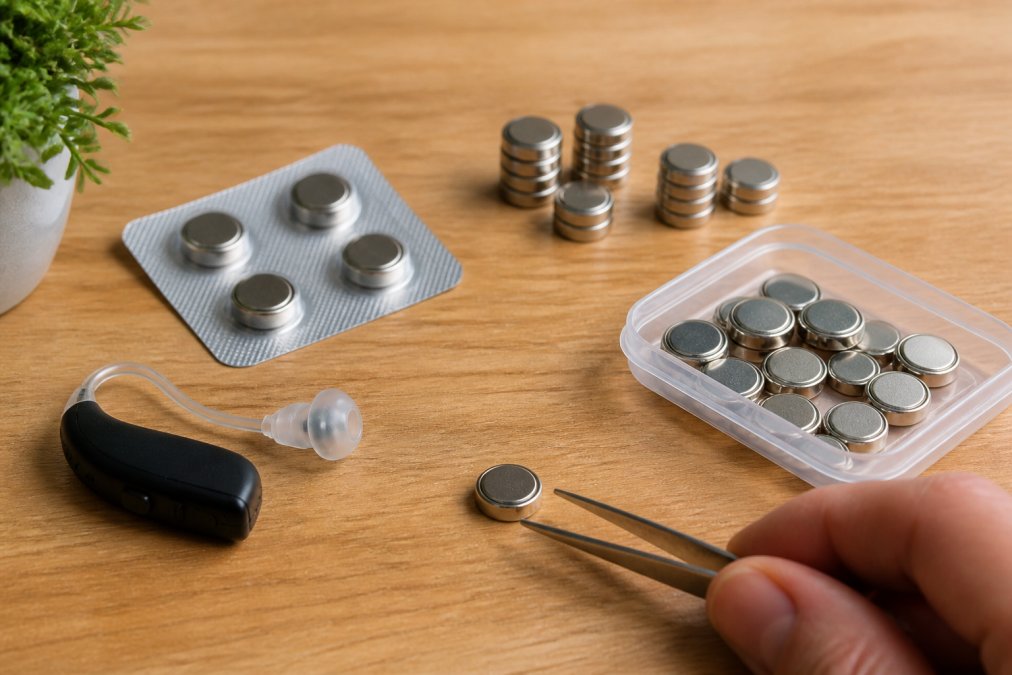
Hearing aid batteries drain fast, a single battery lasts only five to seven days, creating regular pharmacy trips and steady costs. A pack of six can cost $8 at major pharmacies. This guide explores affordable hearing aid batteries and practical alternatives to expensive brand names, helping you cut costs without sacrificing performance.
At Bigtime Battery, we understand that hearing aid users need reliable power solutions without the premium price tag. Whether you're looking to switch to rechargeable options, buy in bulk, or explore subscription services, this article covers the strategies that actually save money.
Why Brand-Name Hearing Aid Batteries Cost So Much
Premium hearing aid battery brands command higher prices due to research, manufacturing standards, and distribution networks. However, much of the price reflects marketing and brand recognition rather than performance differences. Independent testing shows that many generic and store-brand batteries perform nearly identically to premium options.
The markup is significant. A single battery from a hearing aid clinic might cost $1.25, while the same chemistry in bulk form costs $0.45, a 177% markup for the same zinc-air cell. Understanding this gap is the first step toward finding affordable hearing aid batteries that meet your needs without overpaying.
Disposable vs. Rechargeable Hearing Aid Batteries
The choice between disposable and rechargeable hearing aid batteries fundamentally changes your long-term costs and convenience. Disposable batteries dominate the current market, capturing 77.2% of sales by type in 2024, but rechargeable options are gaining ground as technology improves.
Disposable Zinc-Air Batteries remain the standard. Approximately 61% of hearing aid users rely on disposable zinc-air batteries. These are affordable upfront, work with virtually all hearing aids, and require no charging infrastructure. A typical user replaces batteries weekly, spending roughly $200-$300 annually depending on brand and purchase method. The drawback is recurring cost and environmental waste.
Rechargeable Hearing Aid Batteries offer a different value proposition. While they require a higher initial investment ($99-$150 for batteries and charger), rechargeable lithium-ion options can last up to five years before needing professional replacement. Users report cost savings of up to 50% over the battery's lifetime compared to continuous disposable purchases.
However, rechargeable batteries have limitations. If you frequently stream phone calls and music, the charge may not last all day. Additionally, rechargeable batteries must be replaced by a professional after three years, incurring both battery cost and replacement service fees.
Hearing Aid Battery Size Guide: Finding the Right Fit
Hearing aid batteries come in four standard sizes, each color-coded for quick identification. Size directly affects how long the battery lasts before needing replacement.
Size 10 (Yellow) is the smallest and typically lasts 3-7 days, fitting compact in-the-ear models. Size 13 (Orange) is mid-sized and lasts 5-10 days. Size 312 (Brown) is the most popular, holding a 38.2% market share in 2024, lasting 7-14 days and fitting most behind-the-ear hearing aids. Size 675 (Blue) is the largest and lasts 10-21 days, fitting powerful hearing aids for severe hearing loss.
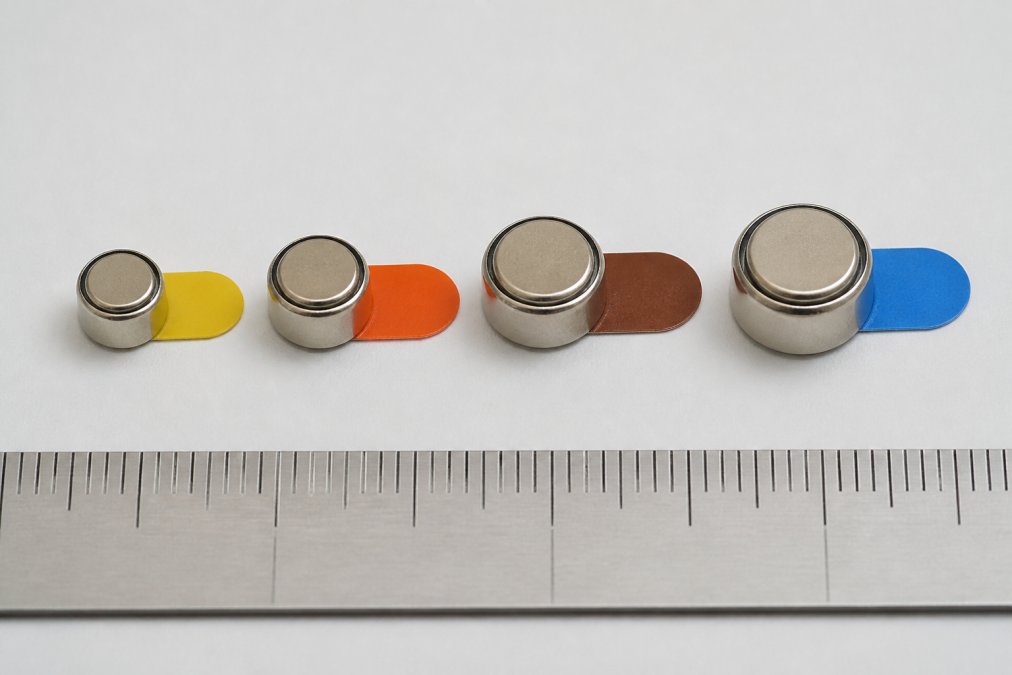
To find your size, check your current battery pack, your hearing aid manual, or ask your audiologist.
Bulk Hearing Aid Batteries: Maximum Savings
Buying in bulk is the most effective way to reduce per-battery costs. A single battery at retail costs $0.70-$1.25, but bulk purchases drop that to $0.30-$0.50 per battery. Over a year, bulk buying saves $150-$250 for a typical user.
ZeniPower offers trays of 250 batteries starting at $95.95 for Size 675, roughly $0.38 per battery. Rayovac Extra Advanced batteries are available in 300-piece bulk packs for $99.99, approximately $0.33 per battery. Duracell Activair offers 60-piece packs for $18.99, or about $0.32 per battery.
If you use one Size 312 battery every two days, you need roughly 180 batteries annually. At retail ($1.00 per battery), that's $180 per year. Buying a bulk pack at $0.35 per battery reduces that to $63, saving $117 annually. Over five years, that's $585 in savings.
Storage Considerations matter with bulk purchases. Hearing aid batteries have a shelf life of up to three years when sealed and stored properly. Keep unopened packs in a cool, dry place away from direct sunlight. Once you open a pack, remove the colored tab only when you're ready to use the battery.
How to Extend Hearing Aid Battery Life
Battery life depends on hearing aid power requirements, usage patterns, environmental conditions, and battery quality. Understanding these factors helps you maximize each battery's lifespan.
Proper Storage is foundational. Keep batteries in a cool, dry environment, ideally between 50-75°F (hearingaidbatteryshop.com). Heat accelerates chemical reactions inside the battery, draining it faster. A small dehumidifier costs $20-$40 and extends battery life by 10-15%.
Avoid Extreme Temperatures. Cold slows chemical reactions, temporarily reducing battery output. Extreme heat (above 85°F) permanently reduces capacity. Never leave hearing aids in direct sunlight or in a car during summer.
Remove the Tab Correctly. The colored tab seals the battery and activates it upon removal. Don't remove the tab until you're ready to insert the battery. Wait 30-60 seconds after removing the tab before inserting it into your hearing aid to allow oxygen to fully activate the zinc-air chemistry.
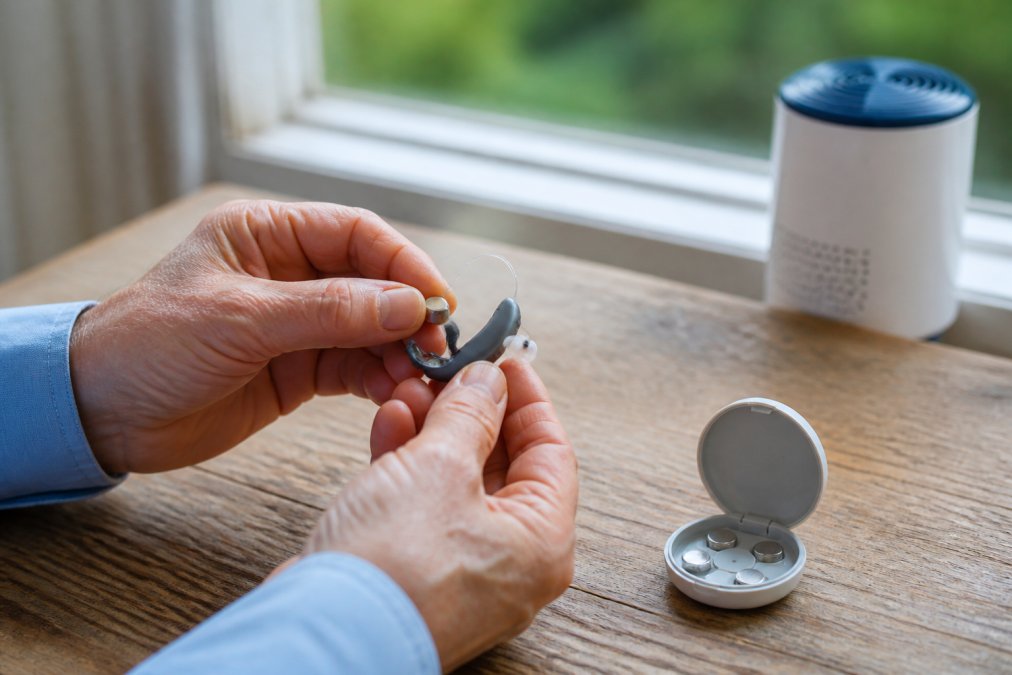
Reduce Streaming and Bluetooth Use. Wireless connectivity drains batteries faster than acoustic-only operation. Streaming phone calls and music can reduce battery life by 20-30%. Limit streaming to essential calls, or toggle Bluetooth off when you don't need it.
Clean Battery Contacts. Dust and earwax buildup on your hearing aid's battery contacts reduces electrical conductivity. Clean contacts monthly with a dry, lint-free cloth. This simple step can extend battery life by 5-10%.
Subscription Battery Services: Convenience and Cost Control
Subscription battery services eliminate the need to remember to purchase batteries. Batteries arrive at your door on a schedule you choose, ensuring you never run out unexpectedly.
Beltone Express Battery Club delivers batteries monthly. For a three-year plan, single hearing aid users pay $49 annually, or $59 for a one-year plan. The service includes common sizes and covers both single and two-ear users. For two-ear users, a three-year plan costs $99 annually, or $130 for a one-year plan.
ARG Battery Direct Club offers flexibility. Batteries are shipped 1, 2, or 4 times per year based on your preference. The cost is $0.65 per cell plus minimal shipping. For a user needing 180 batteries annually, this works out to roughly $117 plus shipping, competitive with bulk purchasing but with home delivery convenience.
Subscriptions make sense if you're a consistent user with stable hearing aid needs. They're less suitable if you experiment with different devices or if your usage varies seasonally.
Mercury-Free and Eco-Friendly Battery Options
Environmental concerns drive demand for sustainable battery options. Approximately 57% of manufacturers now focus on mercury-free batteries, and 42% focus on eco-friendly packaging.
Mercury-Free Zinc-Air Chemistry is now standard across most quality hearing aid batteries. This change happened gradually between 2010-2015, and today virtually all hearing aid batteries sold in the United States are mercury-free.
Power One Evolution Batteries exemplify the modern approach. These mercury-free zinc-air batteries deliver consistent voltage output. Available in all standard sizes, they cost approximately $24.64 for a 60-piece pack, or roughly $0.41 per battery.
Rechargeable Options as Sustainability. From an environmental perspective, rechargeable batteries are the most sustainable choice. A single rechargeable battery eliminates the need for roughly 1,000 disposable batteries over five years, reducing mining, manufacturing, and disposal waste significantly.
Comparison Table: Affordable Hearing Aid Battery Alternatives
| Option | Best For | Cost Per Battery | Upfront Investment | Key Advantage |
|---|---|---|---|---|
| Bulk Disposable (ZeniPower, Rayovac) | Budget-conscious users | $0.24-$0.33 | $60-$100 | Lowest per-battery cost |
| Kirkland Signature (Costco) | Costco members | $0.17-$0.22 | $7.99-$17.60 per pack | Convenient, reliable |
| Amazon Basics | Prime members | $0.07-$0.27 | $3.99-$16.49 per 60-pack | Fast shipping, easy reordering |
| Power One Accu Plus (Rechargeable) | Long-term savers | $0.08 (amortized) | $59.99-$71.49 (2-pack) | 50% cost savings over 5 years |
| Beltone Express Battery Club | Convenience seekers | $0.16 (annual plan) | $49-$130 yearly | Automatic delivery, predictable cost |
| ARG Battery Direct Club | Flexible users | $0.65 per cell | $0.65 per cell + shipping | Adjustable delivery frequency |
Each option serves different priorities. Bulk disposable batteries win on pure cost-per-unit. Rechargeable options win on long-term savings and environmental impact. Subscription services win on convenience.
Hearing aid battery costs don't have to drain your budget. The gap between pharmacy retail prices and bulk alternatives is substantial, often 70% or more. Whether you choose bulk disposable batteries, switch to rechargeable options, or enroll in a subscription service, the savings compound quickly. Most users find that bulk purchasing from a reliable retailer like Bigtime Battery, which specializes in high-quality replacement batteries across diverse applications, provides the best combination of affordability, selection, and reliable performance for everyday hearing aid power needs.
=== FAQ ANSWERS (audit these too, same rules) ===
[1] Q: What are the most affordable hearing aid batteries that perform as well as brand names? A: Generic zinc-air batteries like Amazon Basics, ZeniPower, and Rayovac offer performance comparable to premium brands at 30-50% lower cost. Approximately 72% of hearing aid devices rely on zinc-air battery technology, and these alternatives use the same chemistry. Bulk purchases further reduce per-battery costs, ZeniPower bulk trays of 250 batteries cost significantly less per unit than retail packs. Mercury-free options from Power One Evolution and ZeniPower deliver reliable performance while meeting environmental standards.
[2] Q: How do I know which hearing aid battery size I need? A: Hearing aid batteries come in four standard sizes: 10 (yellow tab), 13 (orange tab), 312 (brown tab, the most popular at 38.2% market share), and 675 (blue tab). Check your current battery's color-coded tab or your hearing aid manual for the correct size. Size 312 fits most standard hearing aids, while size 675 powers larger devices or cochlear implants. Size 10 and 13 suit compact or behind-the-ear models. Never guess, using the wrong size wastes money and leaves you without power.
[3] Q: Can I really save 50% by switching to rechargeable hearing aid batteries? A: Yes. Approximately 34% of users report cost savings up to 50% with rechargeable options. Rechargeable batteries last up to five years before replacement, eliminating the weekly or monthly purchase cycle. Power One Accu Plus rechargeable batteries cost about $59.99 for a 2-pack and charger, but they recharge up to 300 times, providing 24+ hours of use per charge even with Bluetooth streaming. The upfront cost is higher, but long-term operating expenses drop dramatically since you never buy replacement batteries again.
[4] Q: What's the difference between disposable and bulk buying for hearing aid batteries? A: Disposable batteries are sold in small packs (6-60 count) at retail prices of $0.70 to $1.25 per battery. Bulk purchases cut that to $0.45 per battery or lower. Approximately 47% of users replace batteries weekly, meaning annual costs for disposable batteries range from $25 to $65 per person. Buying bulk trays of 250-500 batteries reduces per-unit cost and ensures you never run out, though it requires upfront investment. Bulk is ideal for frequent users or multiple hearing aids; smaller packs suit occasional users or travel.
[5] Q: Are generic hearing aid batteries safe for my device? A: Yes, provided they match your device's size and voltage requirements. All hearing aid batteries sold in the US must comply with safety standards, including child-resistant packaging required by law. Generic zinc-air batteries use the same chemistry and voltage (1.4V) as brand-name equivalents. The difference is manufacturing cost and brand markup, not safety. Approximately 61% of hearing aid users currently rely on disposable zinc-air batteries, many of them generic. Buy from reputable retailers like pharmacies, Amazon, or hearing aid specialists to ensure genuine products.
Frequently Asked Questions
Q: What are the most affordable hearing aid batteries that perform as well as brand names?
A: Generic zinc-air batteries like Amazon Basics, ZeniPower, and Rayovac offer performance comparable to premium brands at 30-50% lower cost. Approximately 72% of hearing aid devices rely on zinc-air battery technology, and these alternatives use the same chemistry. Bulk purchases further reduce per-battery costs, ZeniPower bulk trays of 250 batteries cost significantly less per unit than retail packs. Mercury-free options from Power One Evolution and ZeniPower deliver reliable performance while meeting environmental standards.
Q: How do I know which hearing aid battery size I need?
A: Hearing aid batteries come in four standard sizes: 10 (yellow tab), 13 (orange tab), 312 (brown tab, the most popular at 38.2% market share), and 675 (blue tab). Check your current battery's color-coded tab or your hearing aid manual for the correct size. Size 312 fits most standard hearing aids, while size 675 powers larger devices or cochlear implants. Size 10 and 13 suit compact or behind-the-ear models. Never guess, using the wrong size wastes money and leaves you without power.
Q: Can I really save 50% by switching to rechargeable hearing aid batteries?
A: Yes. Approximately 34% of users report cost savings up to 50% with rechargeable options. Rechargeable batteries last up to five years before replacement, eliminating the weekly or monthly purchase cycle. Power One Accu Plus rechargeable batteries cost about $59.99 for a 2-pack and charger, but they recharge up to 300 times, providing 24+ hours of use per charge even with Bluetooth streaming. The upfront cost is higher, but long-term operating expenses drop dramatically since you never buy replacement batteries again.
Q: What's the difference between disposable and bulk buying for hearing aid batteries?
A: Disposable batteries are sold in small packs (6-60 count) at retail prices of $0.70 to $1.25 per battery. Bulk purchases cut that to $0.45 per battery or lower. Approximately 47% of users replace batteries weekly, meaning annual costs for disposable batteries range from $25 to $65 per person. Buying bulk trays of 250-500 batteries reduces per-unit cost and ensures you never run out, though it requires upfront investment. Bulk is ideal for frequent users or multiple hearing aids; smaller packs suit occasional users or travel.
Q: Are generic hearing aid batteries safe for my device?
A: Yes, provided they match your device's size and voltage requirements. All hearing aid batteries sold in the US must comply with safety standards, including child-resistant packaging required by law. Generic zinc-air batteries use the same chemistry and voltage (1.4V) as brand-name equivalents. The difference is manufacturing cost and brand markup, not safety. Approximately 61% of hearing aid users currently rely on disposable zinc-air batteries, many of them generic. Buy from reputable retailers like pharmacies, Amazon, or hearing aid specialists to ensure genuine products.