 listicle
Battery Mart Alternatives for Business
Table of Contents
- Why Businesses Switch from Battery Mart
- Top Battery Mart Alternatives Compared
- How to Choose a Battery Supplier for Business
- Wholesale Battery Suppliers for Business
- Key Factors in Supplier Selection
- Frequently Asked Questions
Last Updated: August 14, 2026
Why Businesses Switch from Battery Mart
When a business outgrows a single supplier, pricing doesn't scale, delivery times slip, and support disappears. A battery mart alternative for business becomes necessary when your vendor stops treating you like a priority.
The shift typically happens around the time your orders hit a certain volume threshold. You're no longer buying five units at a time, you're buying fifty or five hundred. At that point, the retail model starts feeling expensive and inflexible. Shipping takes longer, returns get complicated, and technical questions go unanswered because you're talking to a general customer service line instead of an account representative.
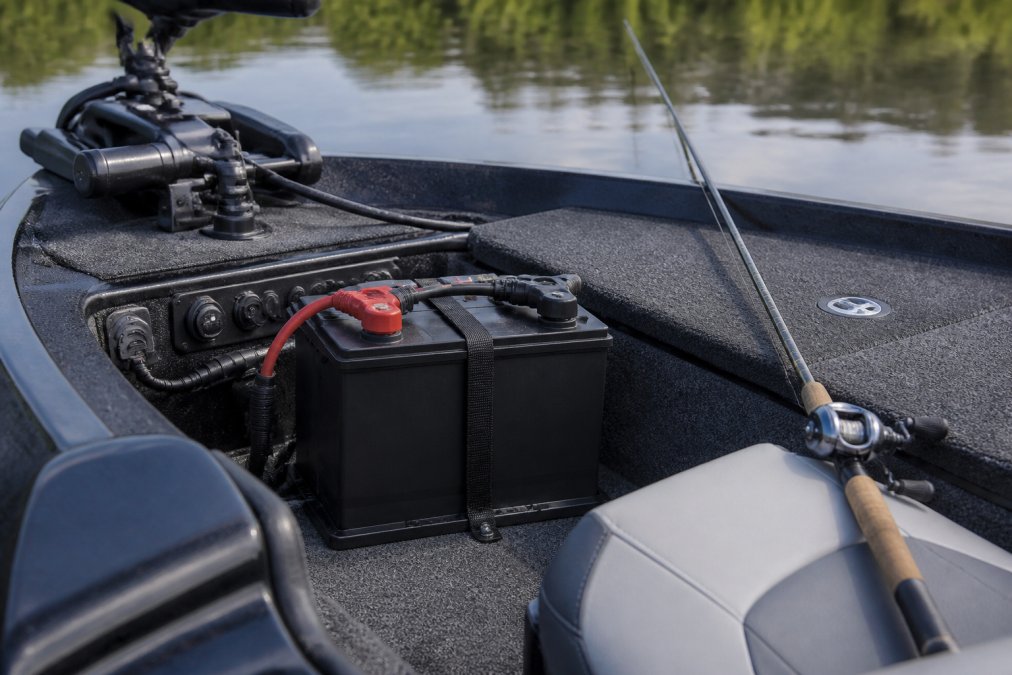
Businesses in marine, industrial, and fleet management sectors face this pressure hardest. When your AED units need batteries, your forklift fleet needs replacements, or your backup power systems require sealed lead acid batteries, downtime isn't an inconvenience, it's a cost. A wholesale battery supplier built for B2B procurement handles this differently than a retail-focused operation.
Top Battery Mart Alternatives Compared
Bigtime Battery
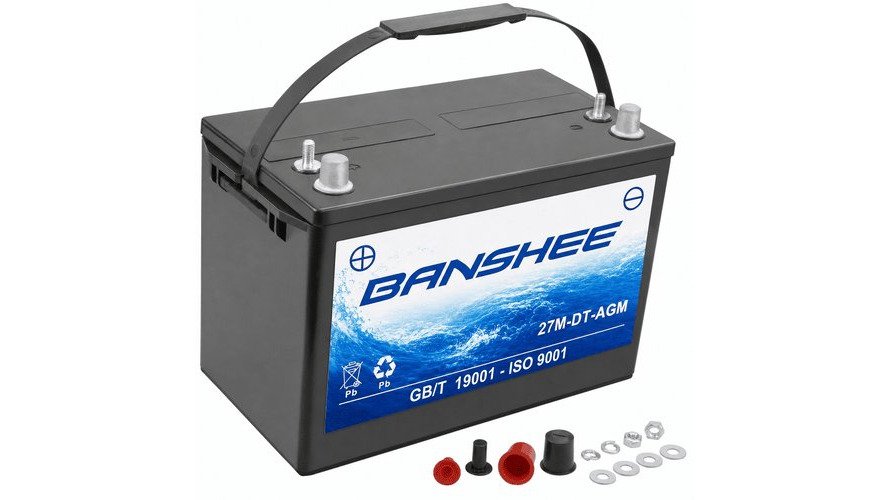
Bigtime Battery operates as a one-stop shop for replacement batteries across medical-grade, marine deep-cycle, and industrial equipment. The breadth matters when you're managing multiple device types across your operation.
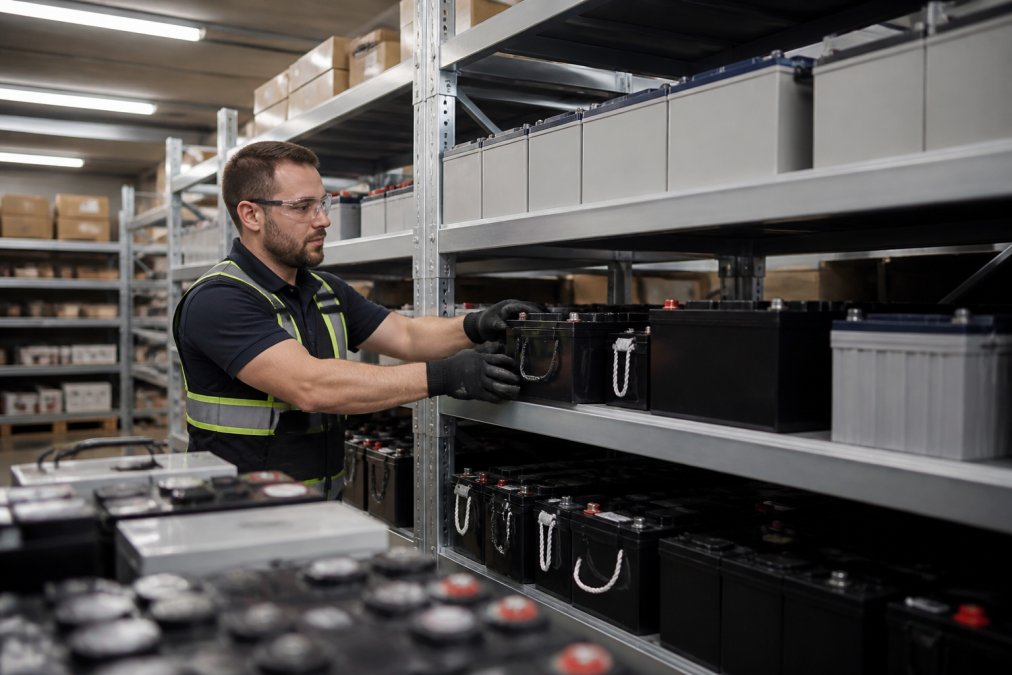
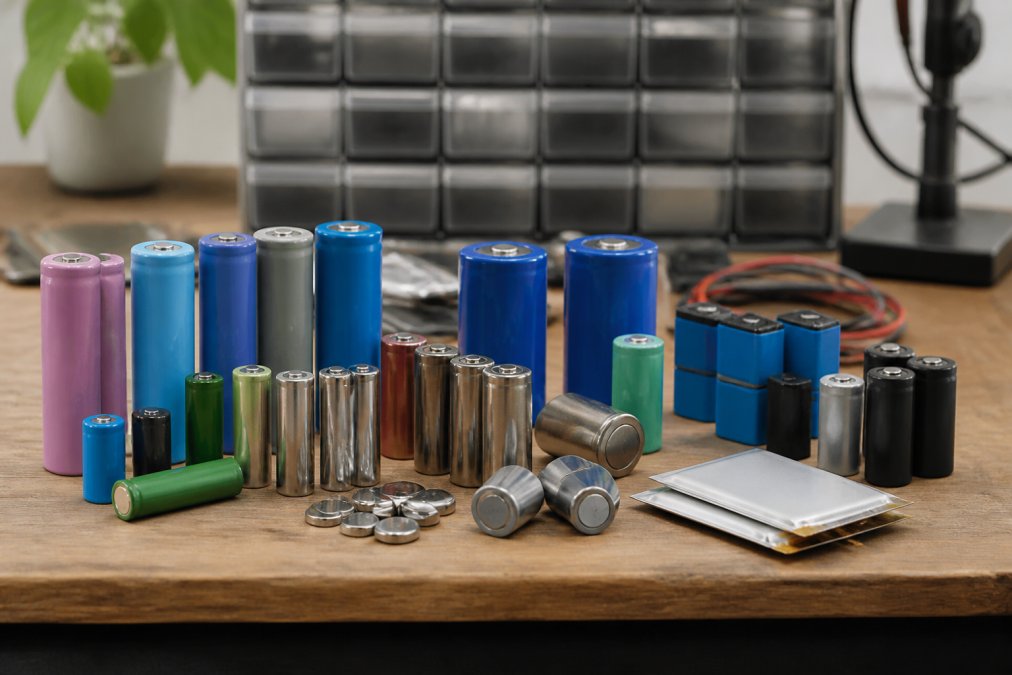
The one-stop-shop model eliminates hunting across multiple suppliers for different battery chemistries.
Batteries Plus Business Solutions
Batteries Plus operates through over 700 physical locations, creating a fundamentally different value proposition than pure e-commerce alternatives. If your business needs same-day or next-day local pickup, that network becomes your competitive advantage. Volume pricing scales for business accounts, and the tax-exempt purchasing option matters for organizations managing compliance.
The recycling services included with business accounts address a compliance layer most businesses eventually face.
Global Industrial Batteries
This supplier specializes in sealed lead acid batteries, flooded, AGM, and lithium iron phosphate chemistries, for industrial and commercial applications. The starting price of $15.75 for a 6V sealed lead acid battery gives you a concrete reference for cost comparison. Bulk discounts apply to larger orders, and the warehouse network supports fast nationwide shipping.
Grainger
Grainger functions as a comprehensive industrial MRO (Maintenance, Repair, and Operations) supplier, meaning batteries are one category among thousands. The advantage: if you're already buying industrial supplies from Grainger, adding batteries consolidates vendor management. The disadvantage: Grainger's pricing for bulk battery-specific purchases often doesn't compete with dedicated battery suppliers.
Trojan Battery Company
Trojan specializes in deep-cycle batteries for golf carts, utility vehicles, marine applications, and renewable energy systems. The starting price of $169.95 for a Trojan Motive T-875 GC8 deep-cycle battery reflects the premium positioning. These are engineered for repeated discharge cycles in harsh conditions. The HydroLink watering system reduces maintenance labor on flooded batteries, lowering total cost of ownership over the battery's lifespan.
How to Choose a Battery Supplier for Business

Selecting the right battery supplier for business requires moving beyond unit price comparison to evaluate Total Cost of Ownership (TCO), the full economic impact of a supplier relationship over time, including per-unit pricing, shipping, inventory carrying costs, downtime risk, warranty replacement speed, recycling compliance labor, and supply chain integration overhead.
Calculate Total Cost of Ownership, Not Just Unit Price
Two suppliers may quote dramatically different per-unit prices, but the cheaper option often costs more when you factor in the full picture.
Direct Costs: Unit price × annual volume + shipping + expedited delivery premiums when you run short.
Inventory Carrying Costs: If Supplier A requires 500-unit minimums but Supplier B allows 50-unit orders, Supplier A's lower per-unit price may force you to carry excess inventory. Calculate your cost of capital (typically 15-25% annually for small to mid-sized businesses) against the inventory premium you're carrying.
Downtime Risk: A supplier with inconsistent lead times creates hidden costs. If your fleet management operation loses one vehicle per day to battery replacement delays, that's lost revenue. A supplier charging 8% more per unit but guaranteeing next-day delivery may have a lower TCO if downtime costs exceed the price premium.
Warranty and Replacement Logistics: A supplier offering free next-day replacement for dead-on-arrival batteries saves you labor cost and downtime risk. A supplier requiring return shipping and 10-day inspection adds operational friction that compounds across hundreds of annual replacements.
Evaluate Supply Chain Integration Capabilities
As your battery procurement scales, manual ordering becomes a bottleneck. Suppliers that offer API access or EDI (Electronic Data Interchange) integration enable automated reordering based on your inventory thresholds, reducing procurement labor and preventing stock-outs.
Ask potential suppliers:
- Do you offer API access or EDI integration? This allows your inventory management system to trigger orders automatically when stock hits a predetermined level.
- Can you integrate with our ERP system? Native integration with NetSuite, SAP, or similar platforms reduces data entry errors and accelerates the order-to-receipt cycle.
- Do you provide real-time inventory visibility? Customer portals showing current stock levels, lead times, and pricing enable better demand forecasting.
- What's your order-to-invoice cycle time? Faster invoicing reduces accounting overhead.
Assess Shipping Speed and Logistics
When your AED system needs batteries or your forklift fleet is down, delivery speed becomes a cost factor. Map out your actual delivery requirements and your tolerance for expedited shipping costs. Some suppliers offer regional warehouses enabling next-day delivery in certain areas.
Review Warranty and Return Policies
Dead-on-arrival batteries cost you time and money. A supplier's return policy determines whether you absorb that cost or they do. Some suppliers offer 30-day replacements for defective units. Warranty terms vary significantly, and return shipping logistics matter too.
Evaluate Account Management and Technical Support
At what volume do you get a dedicated account representative instead of generic customer service? A dedicated account manager can proactively alert you to price changes, expedite orders during emergencies, and negotiate custom terms.
Wholesale Battery Suppliers for Business
The wholesale battery supplier landscape divides into specialists and generalists. Specialists like Bigtime Battery or Trojan focus on specific battery types or applications, offering deeper expertise and often better pricing within their category. Generalists like Grainger or Global Industrial serve broader procurement needs but may not offer the best pricing on batteries specifically.
If you're buying batteries as your primary need, a specialist usually wins on price and expertise. For businesses managing multiple battery types, medical, marine, industrial, backup power, a specialist with a broad replacement battery catalog often outperforms generalists because their entire operation is optimized around battery procurement and logistics.
Compliance and Recycling as a Supplier Selection Factor
Many businesses overlook a critical dimension of supplier selection: battery recycling and hazardous waste compliance. Spent batteries are classified as hazardous waste under EPA regulations and state environmental laws. Your choice of supplier directly impacts your compliance burden.
Supplier-Managed Recycling Programs: Some wholesale suppliers (notably Batteries Plus and certain regional specialists) operate or partner with certified battery recycling facilities. They provide:
- Free or low-cost battery take-back at their locations or via mail-back programs
- Compliance documentation (certificates of recycling, manifests) required for regulatory audits
- Proper handling of different battery chemistries according to EPA and state-specific rules
Self-Managed Recycling: If your supplier doesn't offer recycling services, you must arrange third-party hazardous waste pickup. At scale, this overhead is significant. A business replacing 500 lead-acid batteries annually (roughly 5,000 pounds) faces $2,500-$10,000 in disposal costs plus staff time for compliance documentation.
Questions to ask potential suppliers about recycling and compliance:
- Do you offer battery take-back or recycling services? If yes, what's included and what's the cost structure?
- What certifications do your recycling partners hold? Look for R2 (Responsible Recycling) or e-Stewards certification.
- Do you provide compliance documentation? Request samples of recycling certificates and manifests to ensure they meet your state's requirements.
- Are your recycling services available in all states where we operate?
- Do you track and report recycling volumes? If you need sustainability reporting for corporate commitments, this capability matters.
Specialist vs. Generalist Trade-offs
Specialists (Bigtime Battery, Trojan, regional deep-cycle suppliers):
- Advantage: Deeper expertise in specific battery chemistries and applications; often better pricing within their category; dedicated recycling programs for their specialty batteries.
- Disadvantage: Limited breadth if you need multiple battery types; may require secondary suppliers for non-specialty batteries.
Generalists (Grainger, Global Industrial, large MRO distributors):
- Advantage: One-stop procurement across batteries and other industrial supplies; established national logistics networks; often have recycling partnerships.
- Disadvantage: Battery pricing often doesn't compete with specialists; less technical expertise in battery-specific applications.
For businesses managing diverse battery requirements across multiple applications, a hybrid approach often works best: a specialist supplier for your primary battery type and a generalist for secondary needs.
Key Factors in Supplier Selection
Evaluate potential suppliers across these dimensions:
Inventory Depth: Can they stock the specific battery types you need, or do they special-order everything?
Technical Support: When you're unsure whether you need a 12V or 24V battery, or whether AGM or flooded chemistry is right for your application, does the supplier have technical staff who can guide you?
Account Management: At what volume do you get a dedicated account representative?
Return and Warranty Processes: Can you return batteries without an RMA number? Do they replace defective units immediately or make you wait for inspection?
Geographic Coverage: If you operate across multiple states or regions, does the supplier have regional warehouses that support your delivery requirements?
Compliance and Certifications: Do they handle battery recycling and compliance documentation?
Switching from Battery Mart requires identifying which supplier aligns with your actual operational needs. Bigtime Battery's strength lies in consolidating replacement battery procurement across multiple device types while maintaining competitive wholesale pricing. If your business manages diverse battery requirements, medical, marine, industrial, backup power, a single supplier that specializes in replacement batteries eliminates procurement fragmentation and reduces total cost of ownership. Start by requesting a quote at your actual order volume and comparing all-in costs including shipping and warranty terms.
Frequently Asked Questions
What makes a good battery mart alternative for business?
A strong battery mart alternative should offer competitive bulk pricing, fast shipping reliability, a wide selection of commercial-grade batteries, and responsive customer service. Look for suppliers that stock sealed lead acid, alkaline, and rechargeable options, provide volume discounts, and have clear warranty policies. The best alternatives also offer technical support to help you identify the right battery for your specific application, whether marine, industrial, or specialty equipment.
How do wholesale battery suppliers for business differ from retail options?
Wholesale battery suppliers for business provide volume pricing that decreases with order size, dedicated account management, and faster lead times for bulk orders. They focus on B2B e-commerce with streamlined procurement processes, offer inventory management support, and often provide after-sales support including warranty claims handling. Retail options typically charge per-unit prices without volume discounts and lack the logistics infrastructure for bulk delivery and supply chain integration.
What should I consider when comparing shipping and delivery times?
Evaluate the supplier's warehouse locations, whether they offer multiple shipping options, and their stated lead times for in-stock versus special orders. Ask about emergency or expedited delivery for critical situations like AED battery replacements or forklift fleet maintenance. Confirm they have reliable logistics partners and track record for on-time delivery. Some suppliers offer local pickup at multiple locations, which can be faster than shipping for urgent needs.
How can I verify a battery supplier's reliability and customer service?
Check for product certifications, ask about their return and replacement policy for defective batteries, and review their customer service availability and response times. Request references from other business customers in your industry. Verify they offer technical support to help identify correct battery specifications and provide after-sales support for warranty claims. A reliable supplier should have clear communication channels and documented SLAs for response times.